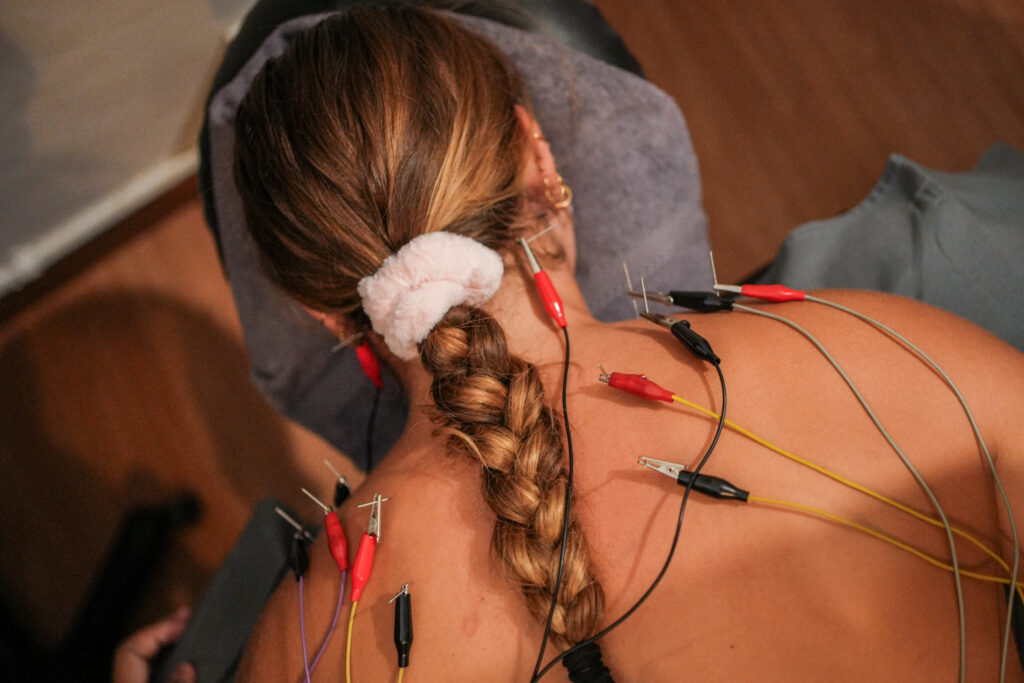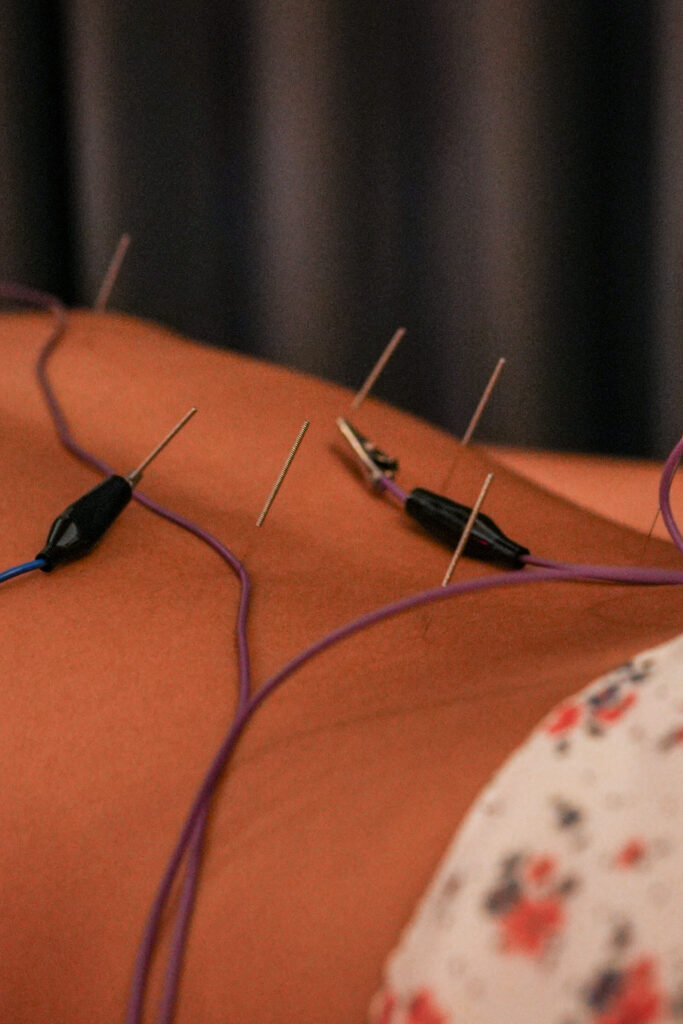

In Traditional Chinese Medicine (TCM), the body and mind are deeply intertwined. Emotions are not viewed as abstract mental states but as forces that influence the flow of Qi (vital energy) throughout the organ systems. Among these, the Liver holds a central role in regulating emotions—especially anger, frustration, and stress. When Liver Qi becomes stagnant, it doesn’t just impact your mood; it can manifest physically, especially as tightness, tension, or pain in the back and shoulders. This article explores how emotional stress affects the Liver in TCM and contributes to musculoskeletal issues like back pain, and how to restore balance naturally.
Key Organ Systems Involved
1. Liver (Gan):
- Responsible for the smooth flow of Qi. Qi stagnation can lead to tight muscles, spasms, and pain in the back.
2. Gallbladder (Dan):
- Paired with the Liver and influences the sides of the body, including hips and lateral back.
3. Spleen (Pi):
- Chronic stress weakens the Spleen, leading to muscle weakness.
4. Kidneys (Shen):
- Prolonged tension depletes Kidney Essence, causing deep, chronic low back pain.
Common TCM Patterns for Back Pain Caused by Liver Qi Stagnation
1. Liver Qi Stagnation:
- Tension in back, sighing, irritability, PMS, bloating. Pulse: Wiry. Tongue: Red sides or purple hue.
2. Liver Qi Invading Spleen:
- Stress with digestive issues, fatigue, back tension. Pulse: Wiry/slippery. Tongue: Pale/red with teeth marks.
3. Liver and Gallbladder Damp-Heat:
- Sharp/burning pain, bitter taste, irritability. Pulse: Rapid/wiry. Tongue: Red/yellow coating.
4. Liver Blood Deficiency:
- Dull pain, fatigue, dry eyes, poor sleep. Pulse: Thin/wiry. Tongue: Pale and dry.
Treatment Principles in TCM
- Soothe Liver and regulate Qi.
- Nourish Liver Blood and Yin.
- Resolve Damp-Heat.
- Support Spleen and Kidneys.
Diet and Lifestyle Tips (TCM-Based)
Recommended Foods:
- Green leafy vegetables, sour foods, beets, carrots, fermented foods.
To Avoid:
- Alcohol, greasy/spicy foods, cold/raw foods, excessive caffeine.
Daily Acupressure for Emotional Back Pain
1. Liver 3 – Taichong (太冲):
- Top of foot, between 1st and 2nd toes. Moves Liver Qi, relieves back tension.
2. Gallbladder 34 – Yanglingquan (阳陵泉):
- Outside leg below knee. Benefits tendons, relieves hip/back tension.
3. Bladder 18 – Ganshu (肝俞):
- 1.5 cun lateral to T9 vertebra. Harmonizes Liver, relieves mid-back tension.
4. Pericardium 6 – Neiguan (内关):
- 3 fingers above wrist crease. Calms mind, relieves tension.
- Press each point for 1–2 minutes daily, breathing slowly.
TCM Treatment Recommendations
- Acupuncture on LV3, GB34, BL18, BL23.
- Cupping on mid/upper back.
- Moxibustion for Yang deficiency pain.
- Herbal Formulas: Chai Hu Shu Gan San, Jia Wei Xiao Yao San, Dang Gui Shao Yao San.
Conclusion
Your back may be telling you more than just “I’m tired.” In TCM, emotional stress especially when unexpressed often lodges in the body through the Liver system, leading to pain, tightness, and imbalance. By addressing the root cause Liver Qi stagnation you can find relief not just from discomfort, but also from the stressors that caused it. Daily acupressure, mindful movement, nourishing food, and TCM therapies offer a well-rounded approach for healing the body and emotions together.
Sources
1. Kaptchuk, T.J. (2000). The Web That Has No Weaver: Understanding Chinese Medicine. McGraw-Hill.
2. Maciocia, G. (2015). The Foundations of Chinese Medicine. Elsevier Health Sciences.
3. Lyttleton, J. (2013). Treatment of Infertility with Chinese Medicine. Elsevier.
4. WHO (2010). Benchmarks for Training in Traditional Chinese Medicine.
5. Deadman, P. (2001). A Manual of Acupuncture. Journal of Chinese Medicine Publications.