
In Traditional Chinese Medicine (TCM), hormonal balance is closely connected to the harmony of several internal organ systems, especially the Liver, Spleen, and Kidneys. Rather than viewing hormones in isolation, TCM sees the menstrual cycle, fertility, mood, and energy as reflections of the body’s internal balance of Qi, Blood, Yin, and Yang. Diet plays a major role in maintaining this balance. The right foods can nourish Blood, support digestion, regulate Liver Qi, and strengthen Kidney energy helping the body maintain healthy hormonal rhythms.
Key Organ Systems Involved:
- Liver (Gan): The Liver regulates the smooth flow of Qi and stores Blood. It plays a key role in menstrual regularity and emotional balance. When Liver Qi stagnates, symptoms such as PMS, irritability, breast tenderness, and irregular cycles may occur.
- Spleen (Pi): The Spleen transforms food into Qi and Blood. Weak Spleen function can lead to fatigue, bloating, and insufficient Blood production, which may contribute to hormonal imbalance.
- Kidney (Shen): The Kidneys store Essence (Jing) and are considered the foundation of reproductive health in TCM. Kidney energy influences fertility, menstrual cycles, and overall hormonal stability.
Common TCM Patterns for Hormonal Imbalance:
- Liver Qi Stagnation: PMS, mood swings, breast tenderness, irregular periods, abdominal distension.
- Blood Deficiency: Light or delayed periods, dizziness, fatigue, pale complexion, dry skin.
- Kidney Yin Deficiency: Night sweats, hot flashes, irritability, dry mouth, irregular cycles.
- Spleen Qi Deficiency: Bloating, fatigue, loose stools, heavy menstrual bleeding.
Treatment Principles in TCM:
- Regulate Liver Qi to support emotional and menstrual balance.
- Nourish Blood to maintain healthy menstrual cycles.
- Strengthen the Spleen to improve digestion and nutrient absorption.
- Tonify the Kidneys to support reproductive energy.
Diet and Lifestyle Tips (TCM-Based):
- Eat warm, nourishing foods to support digestion and Blood production.
- Include dark leafy greens such as spinach and kale to nourish Blood.
- Add black sesame seeds and walnuts to support Kidney energy.
- Consume whole grains, eggs, fish, and lean meats for steady Qi and Blood production.
- Avoid excessive cold drinks, raw foods, and sugary snacks, which weaken the Spleen.
- Maintain regular meal times to support digestive rhythm.
Daily Acupressure Points:
- SP6 (Sanyinjiao): Located about 3 finger-widths above the inner ankle. This point harmonizes the Liver, Spleen, and Kidneys and supports menstrual health.
- LV3 (Taichong): Located between the first and second toes on the foot. Helps move Liver Qi and reduce PMS-related tension.
- CV4 (Guanyuan): Located on the lower abdomen, about 3 finger-widths below the navel. Strengthens Kidney energy and reproductive health.
- ST36 (Zusanli): Located below the knee on the outer side of the leg. Supports digestion and overall Qi production.
Apply gentle pressure to each point for about 1–2 minutes while breathing slowly.
TCM Treatment Recommendations:
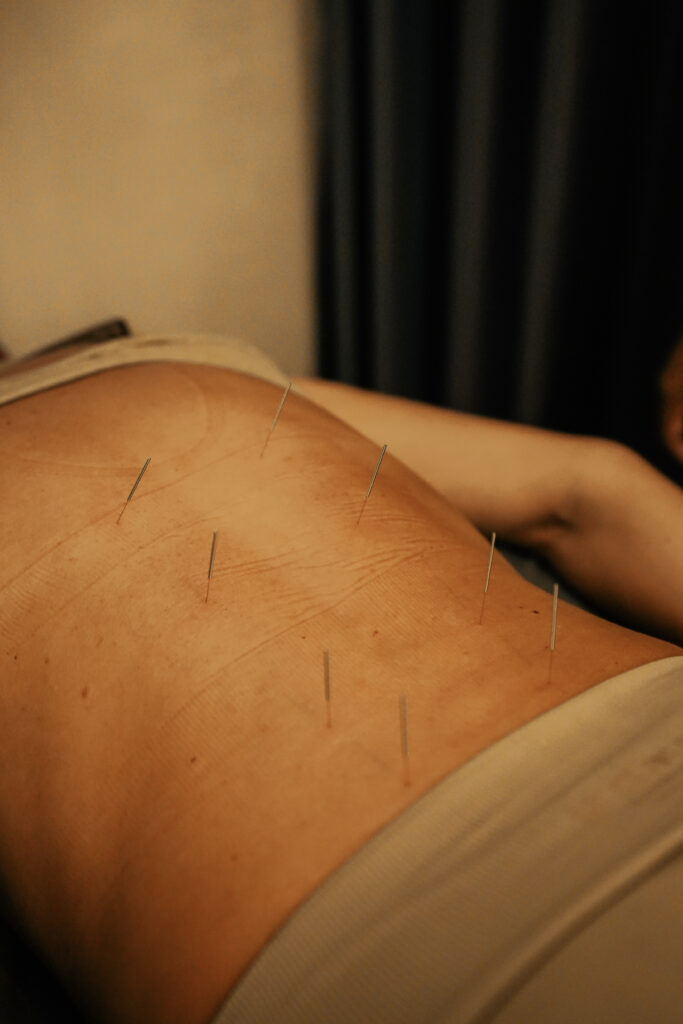
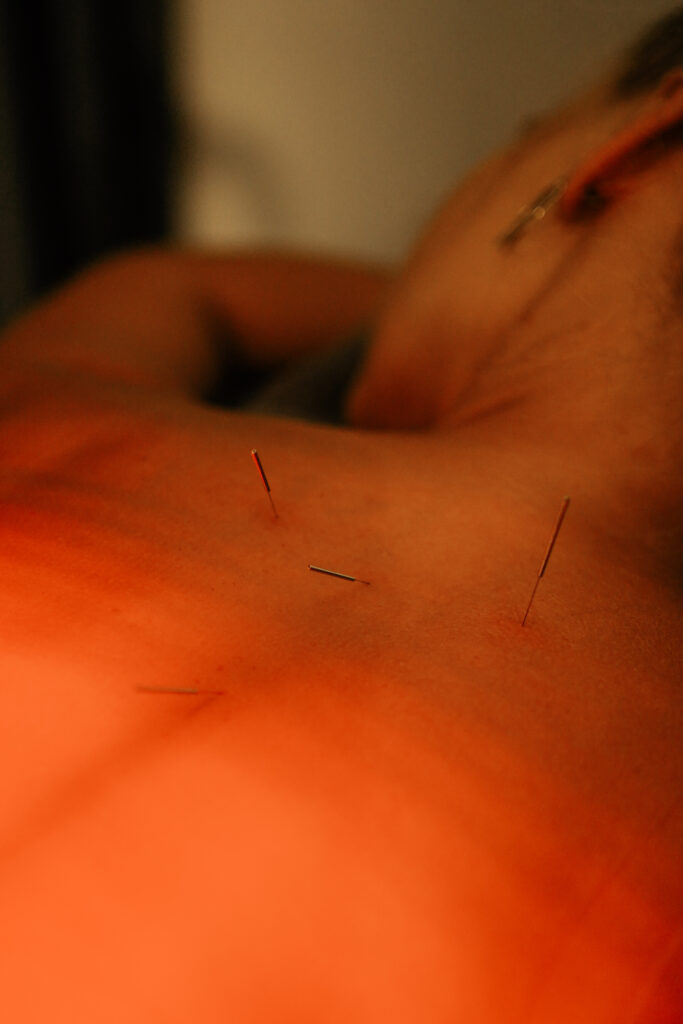
- Acupuncture: Points such as SP6, LV3, CV4, and ST36 are often used to regulate menstrual cycles and support hormonal balance.
- Herbal Formulas:
- Xiao Yao San for Liver Qi stagnation and PMS.
- Ba Zhen Tang for Qi and Blood deficiency.
- Lifestyle therapy: Regular exercise, stress management, and adequate sleep help maintain hormonal balance.
Conclusion:
From a TCM perspective, hormonal balance is deeply connected to the health of the Liver, Spleen, and Kidneys. By nourishing the body with the right foods, supporting digestion, and maintaining smooth Qi flow, women can help regulate their cycles and maintain long-term hormonal health naturally.
Sources:
- Maciocia, Giovanni. The Foundations of Chinese Medicine. Elsevier.
- Deadman, Peter. A Manual of Acupuncture.
- Flaws, Bob. Chinese Medical Gynecology.