Have you ever experienced pain that seems to move from one place to another? One day it may be in the neck, the next day in the shoulder, and later in the back. In Traditional Chinese Medicine (TCM), this type of shifting pain is often associated with the influence of Wind. Wind is considered one of the main external pathogenic factors that can invade the body and disturb the normal circulation of Qi and Blood. When Wind enters the meridians, symptoms may move or change location rather than staying fixed.
Key Organ Systems Involved:
- Liver (Gan): In TCM, the Liver is associated with movement and flexibility. When Liver Qi becomes disrupted, the body may become more susceptible to Wind-related symptoms.
- Lung (Fei): The Lung governs Wei Qi (defensive energy) that protects the body from external pathogens such as Wind.
- Bladder (Pangguang): The Bladder meridian runs along the back and neck and is often affected when Wind invades the upper body.
Common TCM Patterns for Moving Pain:
- Wind Invasion: Pain that changes location, accompanied by sensitivity to wind or drafts.
- Wind-Cold Bi Syndrome: Stiffness and pain that worsen in cold environments but improve with warmth.
- Wind-Damp Bi Syndrome: Pain that shifts locations and is accompanied by a feeling of heaviness or swelling in the joints.
- Liver Wind with Qi Stagnation: Stress-related tension that creates intermittent muscle tightness.
Treatment Principles in TCM:
- Expel Wind from the meridians.
- Promote smooth circulation of Qi and Blood.
- Strengthen the body’s defensive Qi.
- Relax muscles and improve flexibility of the tendons.
Diet and Lifestyle Tips (TCM-Based):
- Avoid exposure to strong wind or cold drafts, especially around the neck and back.
- Eat warming foods such as ginger, garlic, scallions, and soups.
- Maintain regular physical movement to prevent Qi stagnation.
- Support the immune system through adequate rest and balanced nutrition.
Daily Acupressure Points:
- GB20 (Fengchi): Located at the base of the skull. This point literally means “Wind Pool” and helps expel Wind from the body while relieving headaches and neck tension.
- LI4 (Hegu): Located between the thumb and index finger. Helps release the exterior and regulate Qi circulation.
- BL12 (Fengmen): Located on the upper back near the spine. Known as the “Wind Gate,” it strengthens defensive Qi and helps protect the body from external pathogens.
- GB34 (Yanglingquan): Located below the outer knee. Helps relax tendons and improve mobility.
Press each point gently for 1–2 minutes while breathing slowly.
TCM Treatment Recommendations:
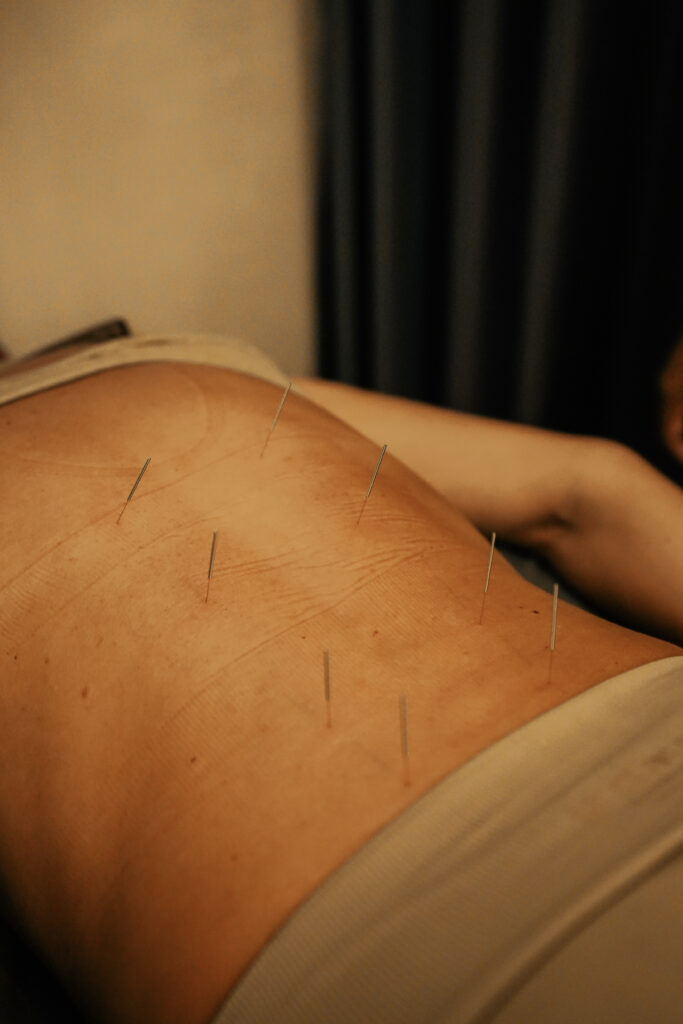
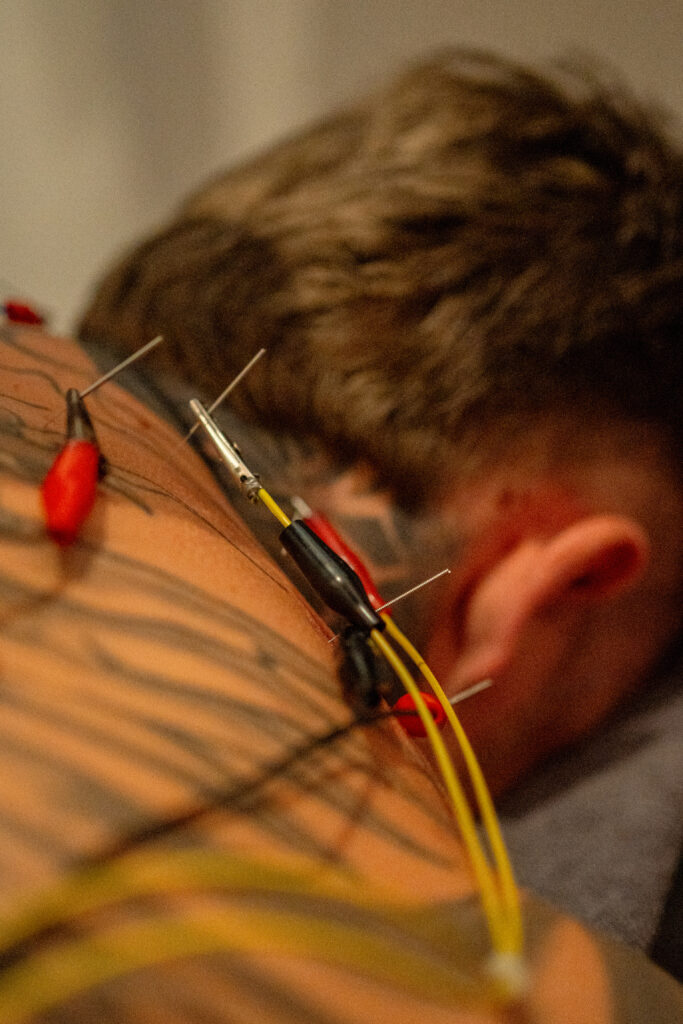
- Acupuncture: Commonly used to expel Wind and restore smooth Qi flow in the affected meridians.
- Cupping therapy: Often applied along the back to release Wind and improve circulation.
- Herbal formulas:
- Du Huo Ji Sheng Tang for Wind-Damp conditions affecting muscles and joints.
- Fang Feng Tang for Wind-related musculoskeletal pain.
- Gentle movement therapy: Stretching, tai chi, or qigong to maintain smooth Qi circulation.
Conclusion:
Moving pain is a classic pattern recognized in Traditional Chinese Medicine and often reflects the influence of Wind within the body’s meridian system. By strengthening defensive Qi, maintaining warmth, and supporting smooth energy circulation, it is possible to reduce these shifting pain patterns and restore balance.
Sources:
- Maciocia, Giovanni. The Foundations of Chinese Medicine. Elsevier.
- Deadman, Peter. A Manual of Acupuncture.
- Wiseman, Nigel. Fundamentals of Chinese Medicine.