
Many people notice that their back pain becomes worse during cold or rainy weather. In Traditional Chinese Medicine (TCM), this phenomenon is commonly explained by the invasion of Cold and Dampness into the body’s meridians. These external pathogens slow the circulation of Qi and Blood, causing stiffness, heaviness, and pain in the muscles and joints. The lower back is particularly vulnerable because it is closely related to the Kidney system and the Bladder meridian, both of which can be affected by Cold‑Damp conditions.
Key Organ Systems Involved:
- Kidney (Shen): The Kidneys govern bones and support the lower back. Cold exposure can weaken Kidney Yang, leading to stiffness and chronic lumbar pain.
- Bladder (Pangguang) Meridian: Runs along the entire back and is frequently involved in weather‑related back pain.
- Spleen (Pi): Responsible for transforming fluids. Weak Spleen function can contribute to Damp accumulation in the body.
Common TCM Patterns for Cold‑Weather Back Pain:
- Cold‑Damp Bi Syndrome: Aching pain, stiffness, and heaviness in the lower back that worsens in cold or humid environments.
- Kidney Yang Deficiency: Chronic lower back soreness accompanied by cold sensations, fatigue, and sensitivity to cold weather.
- Qi and Blood Stagnation: Reduced circulation due to prolonged Cold exposure, leading to tightness and fixed pain.
Treatment Principles in TCM:
- Warm the meridians and dispel Cold.
- Transform Dampness and improve circulation.
- Strengthen Kidney Yang to support the lumbar region.
- Restore smooth flow of Qi and Blood.
Diet and Lifestyle Tips (TCM‑Based):
- Eat warming foods such as ginger, garlic, cinnamon, lamb, and bone broth.
- Avoid excessive cold foods and iced drinks, especially during colder seasons.
- Keep the lower back warm with proper clothing or heat therapy.
- Maintain gentle daily movement to improve circulation.
- Avoid prolonged exposure to damp or cold environments.
Daily Acupressure Points:
- DU4 (Mingmen): Located below the second lumbar vertebra. Warms Kidney Yang and strengthens the lower back.
- BL23 (Shenshu): Located on the lower back near the spine. Tonifies Kidney energy and relieves lumbar pain.
- BL40 (Weizhong): Located behind the knee. Important point for treating lower back pain along the Bladder meridian.
- KD3 (Taixi): Located near the inner ankle. Strengthens Kidney energy and supports spinal health.
Apply gentle pressure to each point for 1–2 minutes while breathing slowly.
TCM Treatment Recommendations:
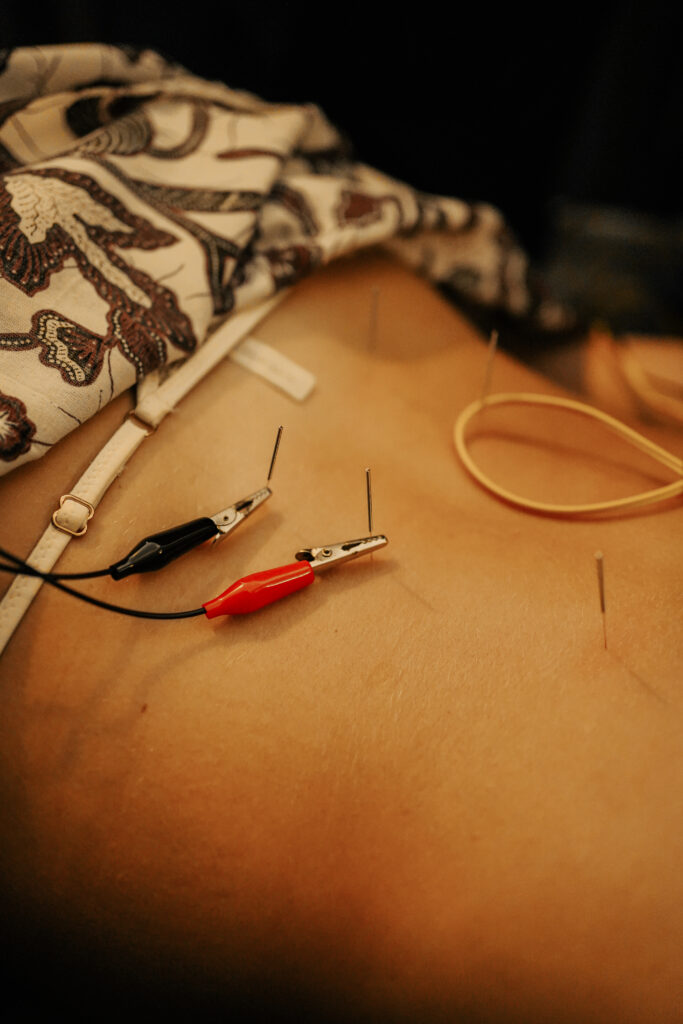
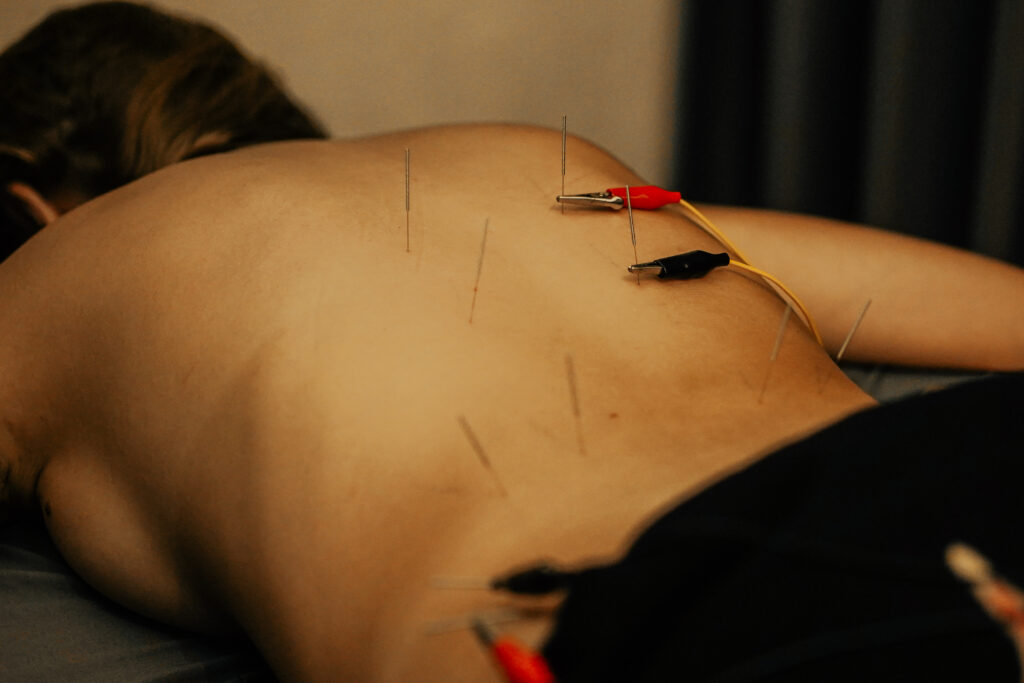
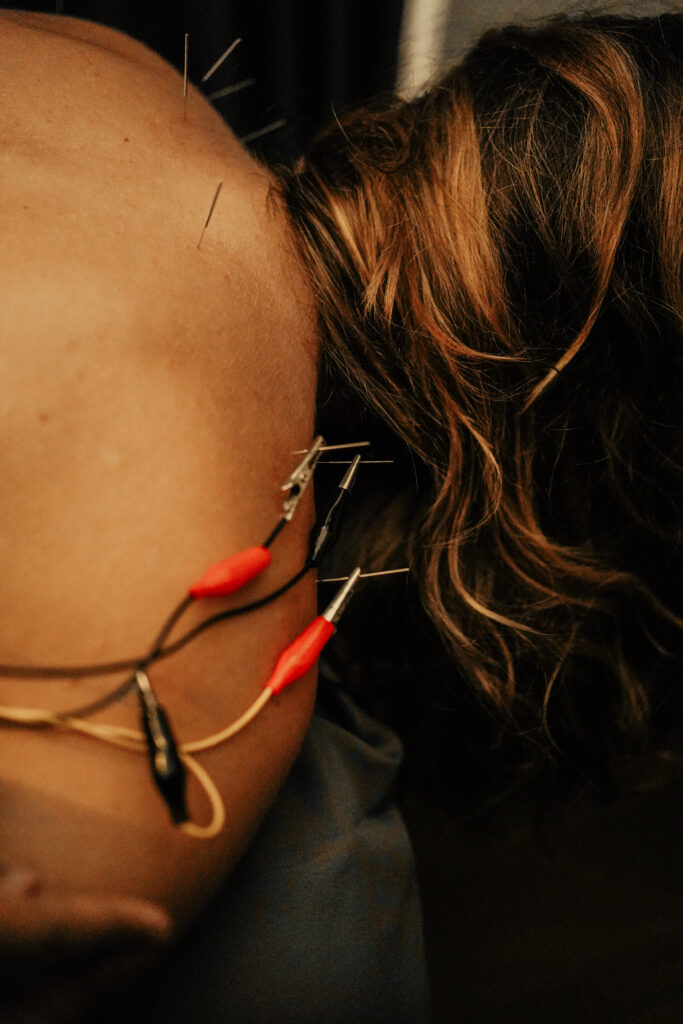
- Acupuncture: Often focuses on Bladder and Kidney meridians to restore circulation and remove Cold.
- Moxibustion: Particularly effective for Cold‑type back pain because it warms the meridians and strengthens Yang energy.
- Cupping therapy: Helps improve blood flow and release stagnation in the back.
- Herbal formulas:
- Du Huo Ji Sheng Tang for chronic Cold‑Damp pain affecting the back and joints.
- You Gui Wan when Kidney Yang deficiency is present.
Conclusion:
Cold weather can significantly affect the body’s energy circulation. In TCM, when Cold and Damp invade the meridians, the flow of Qi and Blood slows down, leading to stiffness and back pain. Protecting the body from cold exposure, strengthening Kidney energy, and supporting circulation can help prevent seasonal flare‑ups of lumbar discomfort.
Sources:
- Maciocia, Giovanni. The Foundations of Chinese Medicine. Elsevier.
- Deadman, Peter. A Manual of Acupuncture.
- Wiseman, Nigel. Fundamentals of Chinese Medicine.