
As we age, Kidney Essence naturally declines. This process is seen as a normal part of life, but when Essence becomes severely depleted, the low back and spine weaken. This manifests as chronic soreness, stiffness, reduced mobility, or degenerative changes (such as arthritis or osteoporosis).
Thus, from a TCM perspective, age-related back pain is not just mechanical wear and tear, but the result of gradual depletion of Kidney Essence, Yin, Yang, and Qi.
In Traditional Chinese Medicine (TCM), the Kidneys (Shen) are the foundation of growth, development, reproduction, and aging. They store the Essence (Jing), which governs bones, marrow, and the strength of the low back the “mansion of the Kidneys.”
Key Organ Systems Involved
- Kidney (Shen) – Stores Essence, governs bones and marrow, provides strength to the lumbar region. Decline causes weakness, pain, and fragility.
- Liver (Gan) – Stores Blood and nourishes tendons and ligaments. Aging may lead to stiffness and poor flexibility.
- Spleen (Pi) – Produces Qi and Blood. A weak Spleen cannot adequately nourish the back and muscles.
- Urinary Bladder Channel – Runs along the back; stagnation of Qi and Blood here contributes to chronic pain.
Common TCM Patterns for Aging-Related Back Pain
- Kidney Yin Deficiency
- Symptoms: chronic low back soreness, worse in the evening, night sweats, tinnitus, dry mouth.
- Tongue: red with little coating.
- Pulse: thin and rapid.
- Kidney Yang Deficiency
- Symptoms: cold, aching low back and knees, fatigue, frequent urination, feeling cold.
- Tongue: pale, swollen, moist.
- Pulse: deep and weak.
- Kidney Qi Deficiency
- Symptoms: lumbar weakness, poor stamina, incontinence, dizziness.
- Tongue: pale.
- Pulse: weak.
- Qi and Blood Stagnation (secondary to decline)
- Symptoms: sharp, stabbing back pain, worse with immobility, better with movement and warmth.
- Tongue: purple with dark spots.
- Pulse: choppy.
Treatment Principles in TCM
- Tonify Kidney Yin, Yang, and Qi to strengthen the lumbar region.
- Nourish Essence (Jing) to slow decline.
- Invigorate Qi and Blood circulation to relieve pain and stiffness.
- Strengthen Spleen and Liver to support nourishment of bones, muscles, and tendons.
- Warm and dispel Cold-Damp if contributing to heaviness and pain.
Diet and Lifestyle Tips (TCM-Based)
Diet Tips
- For Kidney Yin: black sesame, tofu, seaweed, goji berries, pears, mulberries.
- For Kidney Yang: lamb, bone broth, walnuts, ginger, cinnamon, garlic.
- For Essence/Jing: bone marrow soups, eggs, royal jelly, kidney beans.
- Avoid: excessive raw or cold foods, greasy food, alcohol (drains Kidney Yin).
Lifestyle Tips
- Maintain moderate exercise like Tai Chi, Qigong, or walking to keep Qi flowing.
- Protect the low back from Cold and Damp environments.
- Prioritize adequate rest and sleep to preserve Essence.
- Avoid overexertion both physical and sexual which further depletes Kidneys.
- Gentle stretching helps Liver Qi flow and maintains flexibility.
Daily Acupressure for Aging Back Pain
- BL23 – Shen Shu (腎俞)
- Location: 1.5 cun lateral to L2.
- Function: Tonifies Kidneys, strengthens lumbar region.
- GV4 – Ming Men (命門)
- Location: Below spinous process of L2, on midline.
- Function: Warms Kidney Yang, supports vitality.
- KD3 – Tai Xi (太溪)
- Location: Between medial malleolus and Achilles tendon.
- Function: Tonifies Kidney Yin and Yang, benefits low back.
- BL40 – Wei Zhong (委中)
- Location: Midpoint of the popliteal crease (behind the knee).
- Function: Benefits back, clears stagnation.
- SP6 – San Yin Jiao (三陰交)
- Location: 3 cun above medial malleolus, behind tibia.
- Function: Nourishes Liver, Spleen, and Kidney; relieves chronic weakness.
Technique: Press gently for 1–2 minutes on each point once or twice daily.
TCM Treatment Recommendations
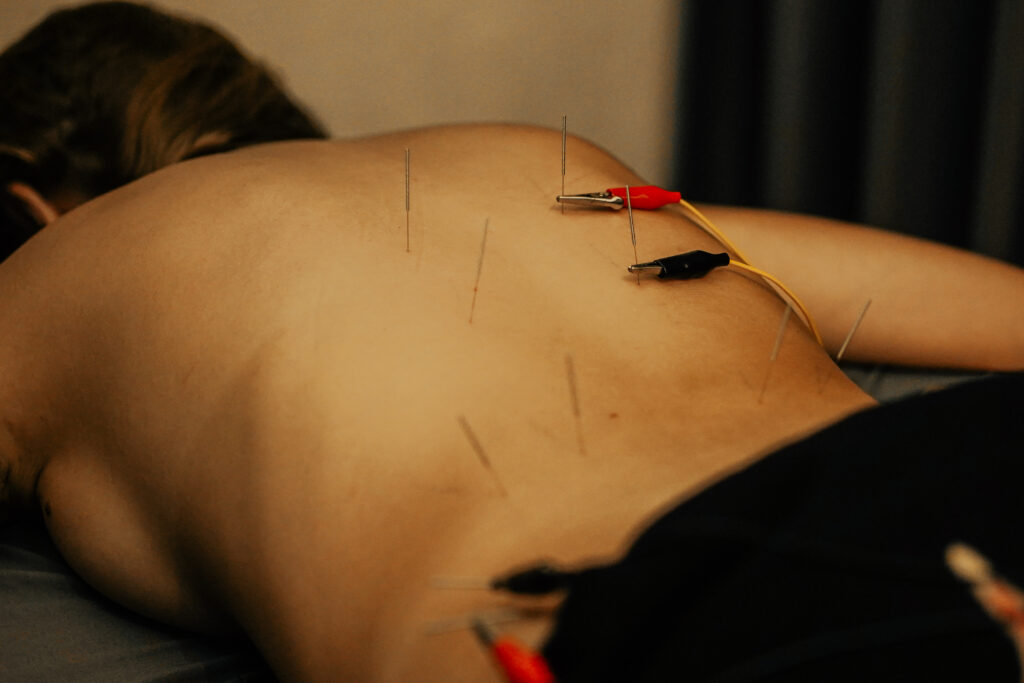
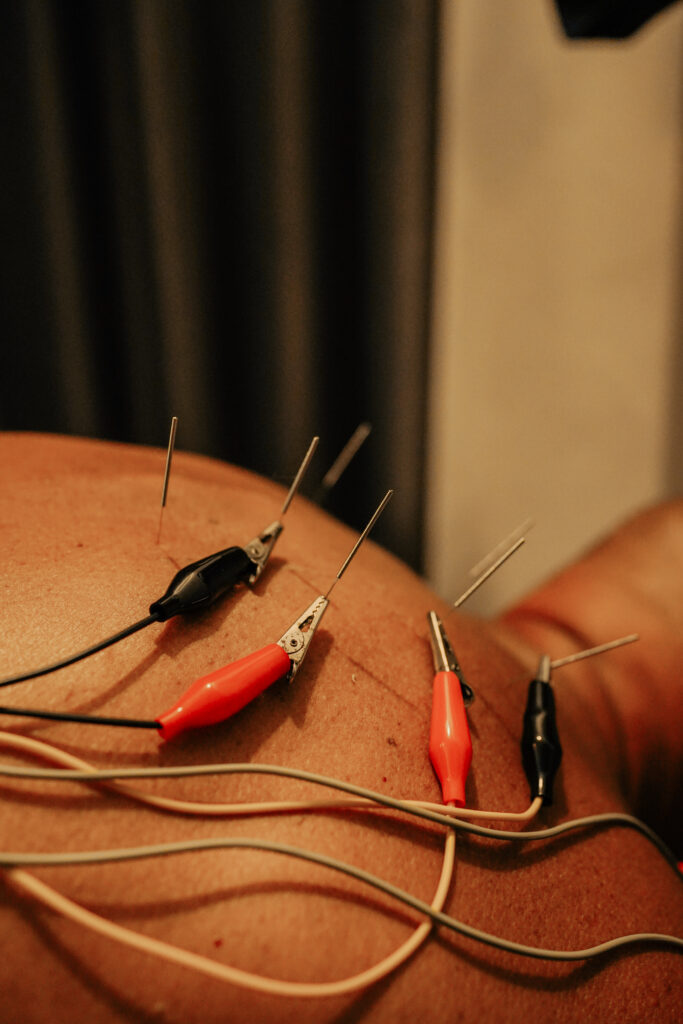
- Acupuncture: BL23, GV4, KD3, SP6, BL40 to tonify Kidneys and relieve pain.
- Moxibustion: on BL23 and GV4 to warm Kidneys and dispel Cold-Damp.
- Cupping/Gua Sha: along the Bladder channel to move Qi and Blood.
Conclusion
Aging naturally leads to a decline in Kidney Essence, which weakens the back, spine, and bones. In TCM, this is the root cause of many chronic lumbar complaints in older adults. By tonifying Kidney Yin and Yang, nourishing Essence, and invigorating Qi and Blood circulation, it is possible to reduce pain, strengthen the back, and slow the progression of aging-related changes. With the right diet, lifestyle, acupressure, and TCM therapies, the low back can remain strong and resilient well into advanced years.
Sources
- Maciocia, Giovanni. The Foundations of Chinese Medicine. Elsevier, 2005. ISBN: 9780443074899
- Deadman, Peter, Al-Khafaji, M., & Baker, K. A Manual of Acupuncture. Journal of Chinese Medicine Publications, 2007. ISBN: 0951054651
- Chen, John K., & Chen, Tina T. Chinese Medical Herbology and Pharmacology. Art of Medicine Press, 2004. ISBN: 9780974063504