
In Traditional Chinese Medicine (TCM), childbirth is seen as a profound transition that significantly depletes a woman’s energy—particularly her Kidney Essence (Jing) and Blood. While modern postpartum care often focuses on nutrition and rest, TCM adds a deeper perspective: the first few weeks after delivery are critical for nourishing and rebuilding the Kidneys.
Why the Kidneys? Because they govern reproduction, growth, and regeneration. During pregnancy, labor, and breastfeeding, a woman draws heavily on her Kidney reserves. If not properly restored, the imbalance can lead to fatigue, lower back pain, hair loss, poor lactation, emotional disturbances, and even long-term health issues. TCM offers a roadmap to rebuild the body gently and holistically, starting with the Kidneys.
Key Organ Systems Involved
- Kidneys (Shen): Central to postpartum recovery. Store Essence (Jing) and govern the bones, lower back, hair, and reproductive organs. Postpartum fatigue, night sweats, and lumbar weakness reflect Kidney deficiency.
- Spleen (Pi): Produces Qi and Blood. Weakened by labor or blood loss. Essential for digestion, milk production, and muscle tone.
- Liver (Gan): Stores Blood and ensures smooth Qi flow. Liver imbalance may manifest as emotional upheaval, postpartum depression, or menstrual irregularities.
- Heart (Xin): Governs the Shen (spirit). Emotional health post-delivery is deeply influenced by Heart-Blood and Yin status.
Common TCM Patterns in Postpartum Deficiency
1. Kidney Yin Deficiency
- Symptoms: Night sweats, dry mouth, dizziness, lumbar soreness, dry skin/hair, fatigue.
- Tongue: Red with little coating.
- Pulse: Thin and rapid.
2. Kidney Yang Deficiency
- Symptoms: Cold limbs, fatigue, low back pain, loose stools, frequent urination, poor appetite.
- Tongue: Pale and swollen.
- Pulse: Deep and weak.
3. Spleen Qi Deficiency
- Symptoms: Weakness, bloating, poor milk supply, prolapse, pale complexion, loose stools.
- Tongue: Pale with teeth marks.
- Pulse: Weak or soft.
4. Liver Blood Deficiency
- Symptoms: Dizziness, scanty menses, blurry vision, brittle nails, emotional instability.
- Tongue: Pale and dry.
- Pulse: Thin or choppy.
Treatment Principles in TCM
- Tonify Kidney Yin/Yang depending on presentation.
- Nourish Blood and Essence (Jing).
- Strengthen Spleen Qi to aid digestion and milk production.
- Soothe Liver to regulate emotions and blood flow.
- Stabilize Shen (spirit) to prevent emotional disorders.
Early postpartum care is often referred to as “sitting the month” (zuò yuè zi), a period focused on deep nourishment, rest, and warmth.
Diet and Lifestyle Tips (TCM-Based)
Eat to Rebuild and Warm the Body:
- For Kidney Yang Deficiency: Bone broth, lamb, black sesame seeds, walnuts, ginger, jujube dates, cinnamon.
- For Kidney Yin Deficiency: Goji berries, black beans, eggs, tofu, pear, asparagus, barley.
- For Spleen Qi Support: Cooked grains like rice or millet porridge (congee), sweet potato, carrots, and warm soups.
- Avoid: Raw/cold food, caffeine, alcohol, and greasy or spicy food.
Lifestyle Tips:
- Rest is medicine. Avoid physical exertion for at least 3–4 weeks.
- Keep warm: Always cover the lower back, feet, and abdomen.
- Emotional care: Maintain a peaceful environment, accept help, and allow emotional expression.
Daily Acupressure for Postpartum Kidney Recovery
1. KI3 – Taixi (太溪)
- Location: Depression between medial malleolus and Achilles tendon.
- Function: Tonifies Kidney Yin and Yang. Strengthens lower back and supports hormone recovery.
2. BL23 – Shenshu (肾俞)
- Location: 1.5 cun lateral to the lower border of L2.
- Function: Nourishes Kidney Essence and warms the back.
3. CV4 – Guanyuan (关元)
- Location: On the lower abdomen, 3 cun below the umbilicus.
- Function: Regulates uterus, tonifies Qi, and nourishes Kidneys.
4. SP6 – Sanyinjiao (三阴交)
- Location: 3 cun above the medial malleolus.
- Function: Regulates menstruation, strengthens the Spleen, Kidney, and Liver.
5. ST36 – Zusanli (足三里)
- Location: 3 cun below the knee cap, one finger-breadth lateral to the tibia.
- Function: Boosts energy, aids digestion, and supports immune function.
Press each point gently for 1–2 minutes, breathing deeply. Best done after warming the area.
TCM Treatment Recommendations
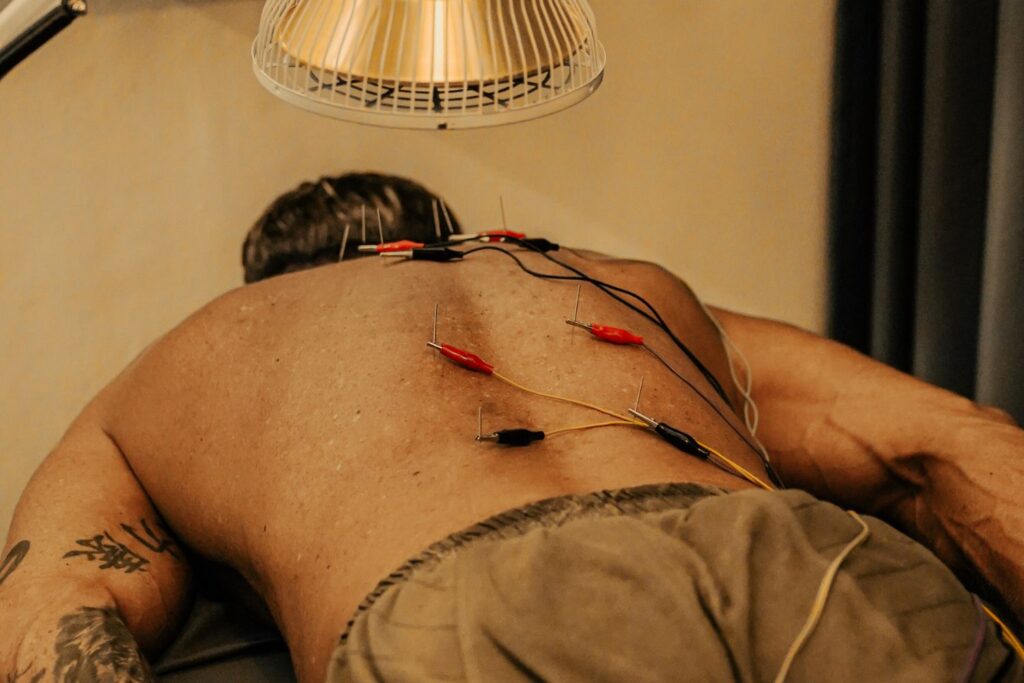
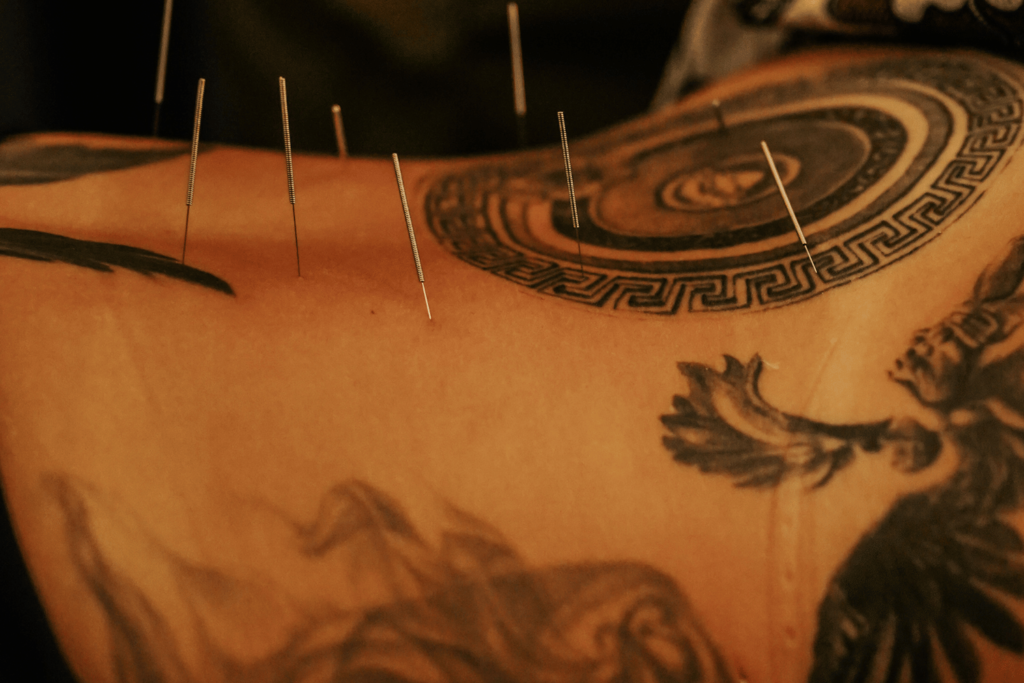
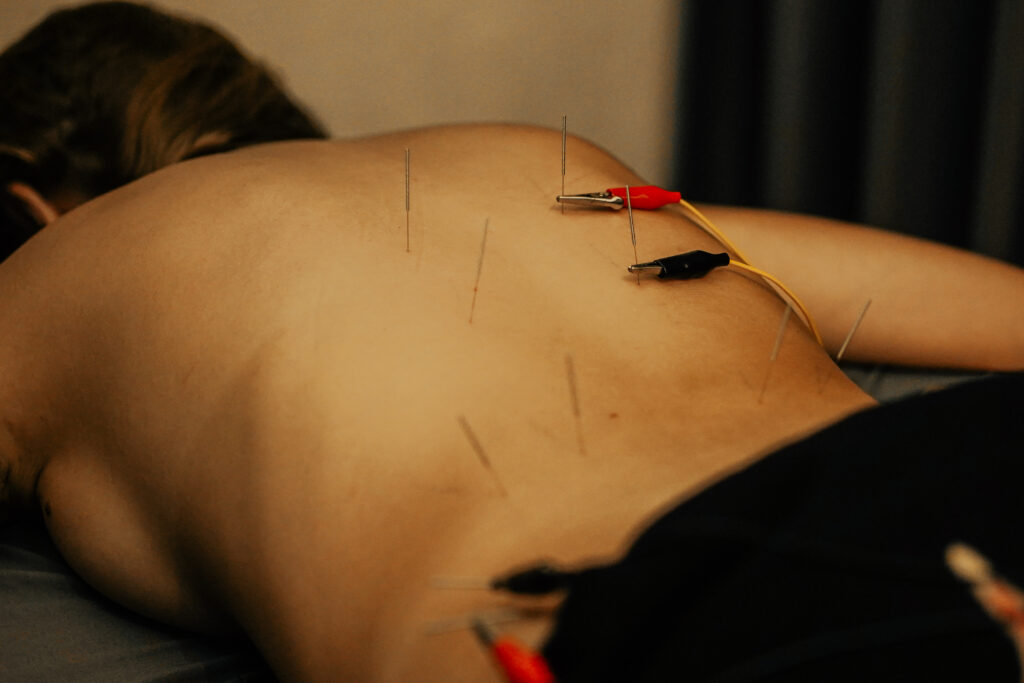
- Acupuncture: Points like BL23, KI3, CV4, SP6, and ST36 are used to tonify Qi and Essence.
- Moxibustion: Often applied to BL23 and CV4 to warm the body and support Yang recovery.
Conclusion
Postpartum recovery is a sacred window for healing. In TCM, this is the time to replenish what was lost through childbirth—especially the Kidney energy. Supporting your Kidneys naturally with rest, nourishing food, gentle acupressure, and tailored TCM therapies not only promotes immediate healing but sets the foundation for long-term health, hormonal balance, and vitality. Don’t rush it. This is your time to be nurtured as you nurture new life.
Sources
- Xiang, Y. & Liu, J. (2016). Postpartum Care in Chinese Medicine. People’s Medical Publishing House.
- Maciocia, G. (2011). Obstetrics and Gynecology in Chinese Medicine. Elsevier.
- Lyttleton, J. (2004). Treatment of Infertility with Chinese Medicine. Elsevier.
- Flaws, B. (1997). Chinese Herbal Medicine for Women. Blue Poppy Press.
- World Health Organization (2010). WHO Traditional Medicine Strategy: 2014–2023.