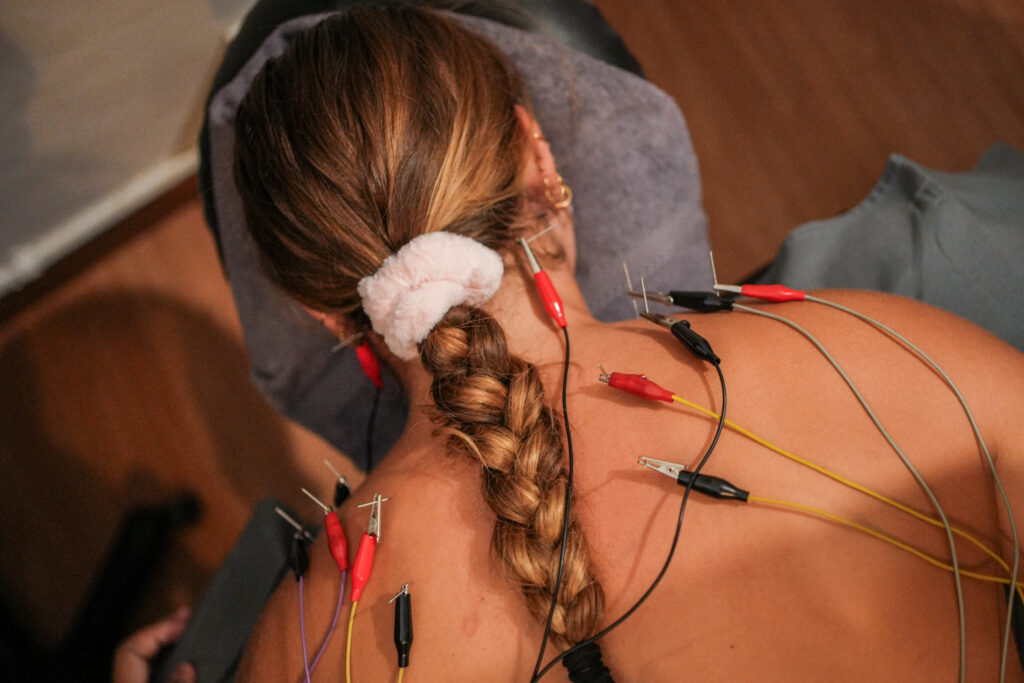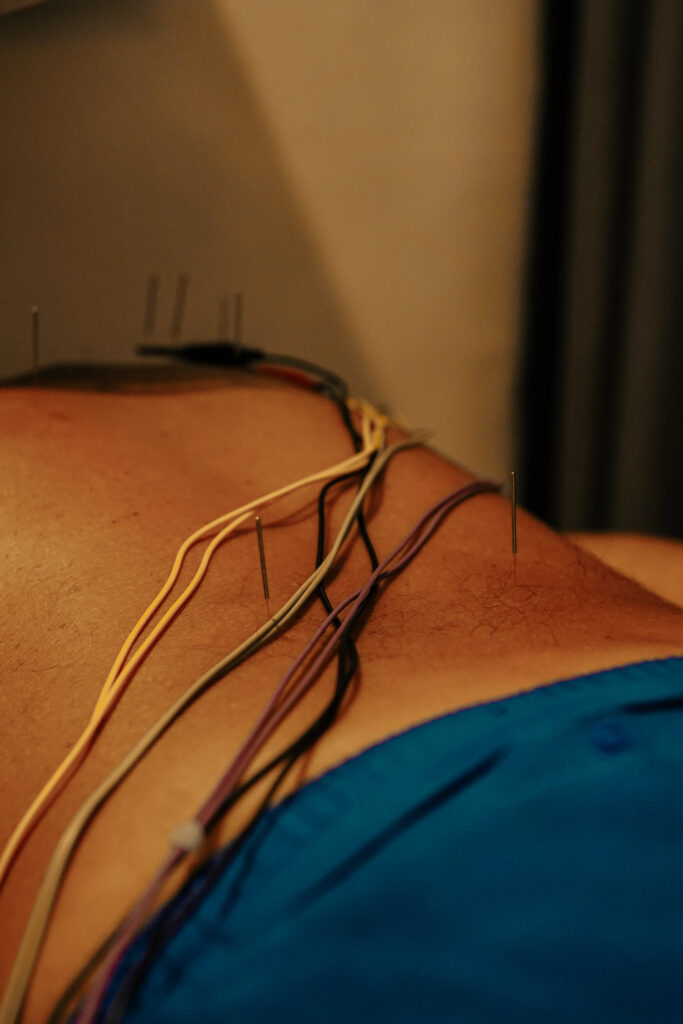

In Traditional Chinese Medicine (TCM), the days leading up to menstruation are seen as a natural “stress test” for the Liver system. If Liver Qi flows smoothly, a woman experiences minimal discomfort. But if Qi becomes blocked, or if the Liver lacks Blood and Yin to nourish it, symptoms of Premenstrual Syndrome (PMS) arise: irritability, breast tenderness, bloating, mood swings, headaches, and digestive upset.
PMS is therefore not just a hormonal issue—it reflects how well the Liver and its partner organs regulate the monthly cycle. By restoring harmony to Qi and Blood, TCM offers a holistic way to ease both emotional and physical premenstrual complaints.
Key Organ Systems Involved
- Liver (Gan, 肝)
- Regulates smooth Qi flow and stores Blood.
- Imbalance → irritability, PMS, breast distension, headaches.
- Spleen (Pi, 脾)
- Governs digestion and Blood production.
- Weak Spleen → bloating, loose stools, fatigue before period.
- Heart (Xin, 心)
- Houses the Shen (spirit) and influences emotions.
- Affected by PMS → anxiety, restlessness, insomnia.
- Kidney (Shen, 腎)
- Stores Jing and supports reproductive function.
- Deficiency → irregular cycles, back pain, low libido.
Common TCM Patterns for PMS
Liver Qi Stagnation
- Symptoms: irritability, mood swings, sighing, breast tenderness, bloating.
- Tongue: normal or slightly red sides.
- Pulse: wiry.
Liver Qi Stagnation → Liver Fire Rising
- Symptoms: migraines, red eyes, anger outbursts, bitter taste in mouth.
- Tongue: red with yellow coat.
- Pulse: wiry, forceful.
Liver Qi Invading Spleen
- Symptoms: bloating, diarrhea/constipation, abdominal distension, food cravings.
- Tongue: slightly red sides.
- Pulse: wiry.
Liver Qi Invading Heart
- Symptoms: anxiety, restlessness, insomnia, palpitations.
- Tongue: red tip.
- Pulse: thin, wiry.
Liver Blood Deficiency
- Symptoms: fatigue, pale complexion, scanty periods, dizziness, poor concentration.
- Tongue: pale.
- Pulse: thready.
Treatment Principles in TCM
- Soothe Liver Qi to regulate emotions and smooth Qi flow.
- Clear Liver Heat or Fire when anger and headaches are pronounced.
- Harmonize Liver and Spleen for digestive stability.
- Nourish Liver Blood to ease fatigue and emotional instability.
- Calm the Shen to reduce anxiety and improve sleep.
Diet and Lifestyle Tips (TCM-Based)
Diet Tips
- To soothe Liver Qi: green leafy vegetables, mint, chrysanthemum tea, citrus peel.
- To clear Liver Heat: celery, cucumber, mung beans, dandelion greens.
- To nourish Blood: spinach, goji berries, eggs, chicken, bone broth.
- Avoid: alcohol, coffee, spicy/fried foods, excess sugar—these aggravate Liver Qi and Fire.
Lifestyle Tips
- Gentle exercise like walking, yoga, or Tai Chi to move Qi.
- Journaling, music, or creative arts to channel emotions.
- Regular sleep; avoid late nights which stress the Liver.
- Warm compress on the abdomen or breast area to ease stagnation.
- Stress management practices such as meditation and deep breathing.
Daily Acupressure for PMS
LV3 – Taichong (太沖)
- Location: On the dorsum of the foot, between the 1st and 2nd metatarsal bones.
- Function: Moves Liver Qi, relieves irritability, reduces PMS symptoms.
LI4 – Hegu (合谷)
- Location: Between thumb and index finger.
- Function: Moves Qi, relieves pain, calms stress (contraindicated in pregnancy).
SP6 – Sanyinjiao (三陰交)
- Location: 3 cun above the medial ankle, posterior to tibia.
- Function: Harmonizes Liver, Spleen, Kidney; regulates menstruation.
GB34 – Yanglingquan (陽陵泉)
- Location: Below the lateral condyle of the tibia.
- Function: Relaxes tendons, eases tension, moves Liver Qi.
Yintang (印堂)
- Location: Between the eyebrows.
- Function: Calms Shen, reduces anxiety and headaches.
Technique: Apply gentle pressure for 1–2 minutes per point, breathing deeply.
TCM Treatment Recommendations
- Acupuncture:
- For Qi stagnation: LV3, LI4, GB34, REN6.
- For Fire rising: LV2, GB20, Taiyang.
- For Liver–Spleen disharmony: SP6, ST36, REN12.
- For Liver Blood deficiency: SP10, ST36, BL17.
- Herbal Medicine:
- Xiao Yao San → classic formula for Liver Qi stagnation with stress and PMS.
- Jia Wei Xiao Yao San → for PMS with heat/irritability.
- Si Wu Tang → for Blood deficiency with scanty flow and fatigue.
- Chai Hu Shu Gan San → for severe Liver Qi stagnation with pain.
- Cupping/Gua Sha: Along the upper back and shoulders to release stagnation and stress.
- Moxibustion: Applied when Cold patterns aggravate cramps or pain.
Conclusion
From a TCM viewpoint, PMS is a reflection of how smoothly the Liver manages Qi and Blood in the premenstrual phase. When Qi stagnates, Heat rises, or Blood is insufficient, both the body and emotions suffer. By soothing the Liver, harmonizing related organs, and applying holistic strategies—acupuncture, herbs, diet, lifestyle, and acupressure—women can experience calmer, healthier cycles and reduced PMS symptoms.
Sources
- Lyttleton, Jane. Treatment of Infertility with Chinese Medicine. Churchill Livingstone, 2004.
- Kaptchuk, Ted J. The Web That Has No Weaver: Understanding Chinese Medicine. McGraw-Hill, 2000.
- Flaws, Bob. Chinese Medical Gynecology. Blue Poppy Press, 1997.