Chronic low back pain that persists or worsens over time may signal a deeper internal imbalance in Traditional Chinese Medicine (TCM), often linked to the Kidneys. Unlike muscular sprain or mechanical causes, TCM views this type of back pain as rooted in vital energy (Jing) deficiency, especially as we age or face long-term exhaustion.
Key Organ Systems Involved
- Kidneys (Shen): The Kidneys store Essence (Jing), which governs bone strength, marrow production, and supports the lumbar region. Weak Kidney Qi or Yin can result in soreness, weakness, or dull aching in the lower back.
- Urinary Bladder (Pangguang): This meridian runs along the back and is closely related to Kidney function. Deficiency in the Kidneys can weaken the entire channel system.
Common TCM Patterns
- Kidney Yin Deficiency: Dull lower back pain with heat sensations in the evening, night sweats, dry mouth, and tinnitus.
- Kidney Yang Deficiency: Cold, aching lower back that feels better with warmth, fatigue, frequent urination, and cold limbs.
- Kidney Essence Deficiency: Chronic weakness in the back, poor memory, hair loss, and signs of premature aging.
Treatment Principles in TCM
- Tonify and nourish Kidney Yin or Yang as appropriate
- Strengthen Jing (Essence) to support bone and spine
- Improve circulation along the Urinary Bladder and Kidney channels
Diet and Lifestyle Tips (TCM-Based)
- Include warming foods (for Yang Deficiency): lamb, bone broth, black beans, walnuts, ginger, cinnamon
- Include nourishing foods (for Yin Deficiency): black sesame seeds, goji berries, duck, eggs, seaweed
Avoid raw, cold, or excessively greasy foods
Prioritize rest and avoid overwork or long-term stress
Keep the lower back warm and avoid prolonged cold exposure
Daily Acupressure for Low Back Pain
- Shenshu (BL23) – Location: 1.5 cun lateral to the lower border of L2. Benefit: Tonifies Kidneys, relieves chronic low back pain.
- Mingmen (DU4) – Location: Below L2, in the midline. Benefit: Warms Kidney Yang, strengthens lumbar area.
- Yaoyangguan (DU3) – Location: Below L4, in the midline. Benefit: Dispels cold-damp, benefits lower back.
- Taixi (KI3) – Location: Between the medial malleolus and Achilles tendon. Benefit: Nourishes Kidney Yin and Qi.
Apply gentle pressure for 1–2 minutes per point, breathing deeply.
TCM Treatment Recommendation
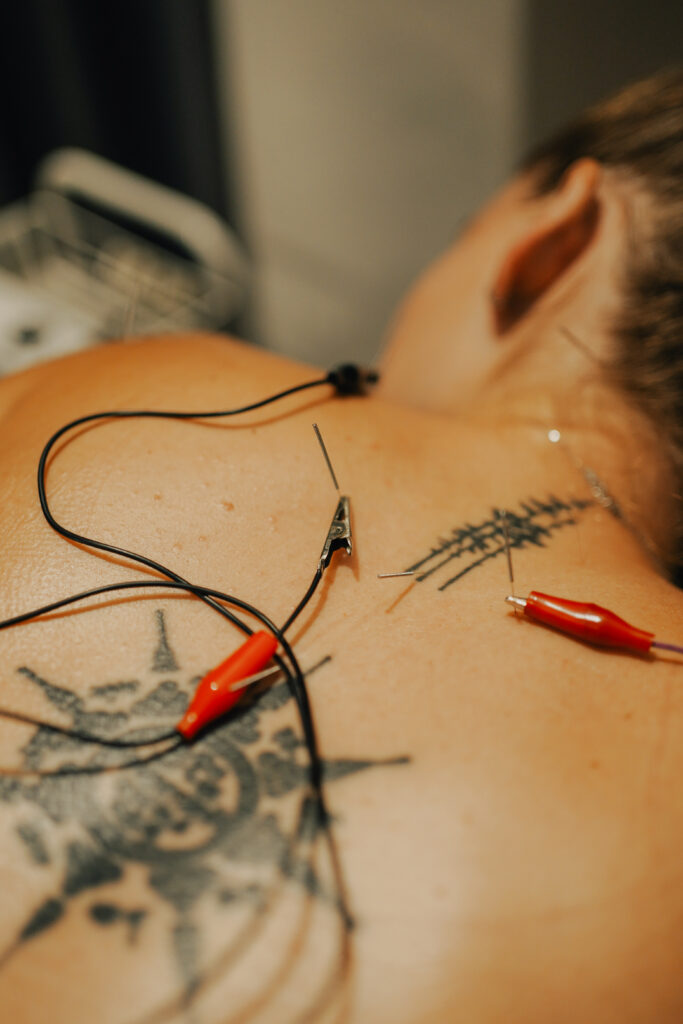
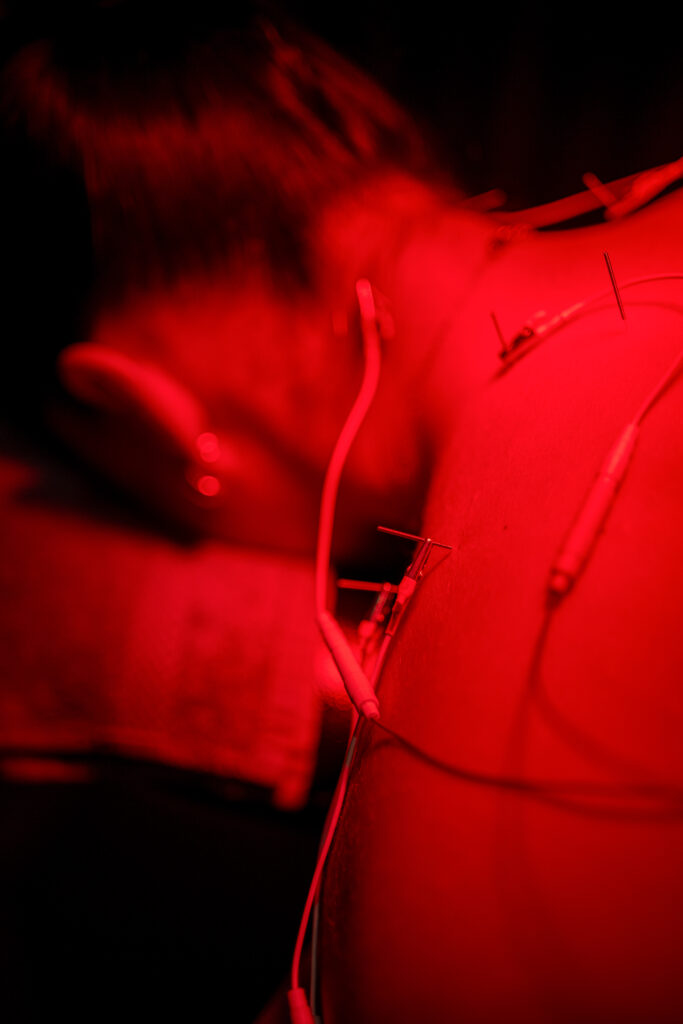
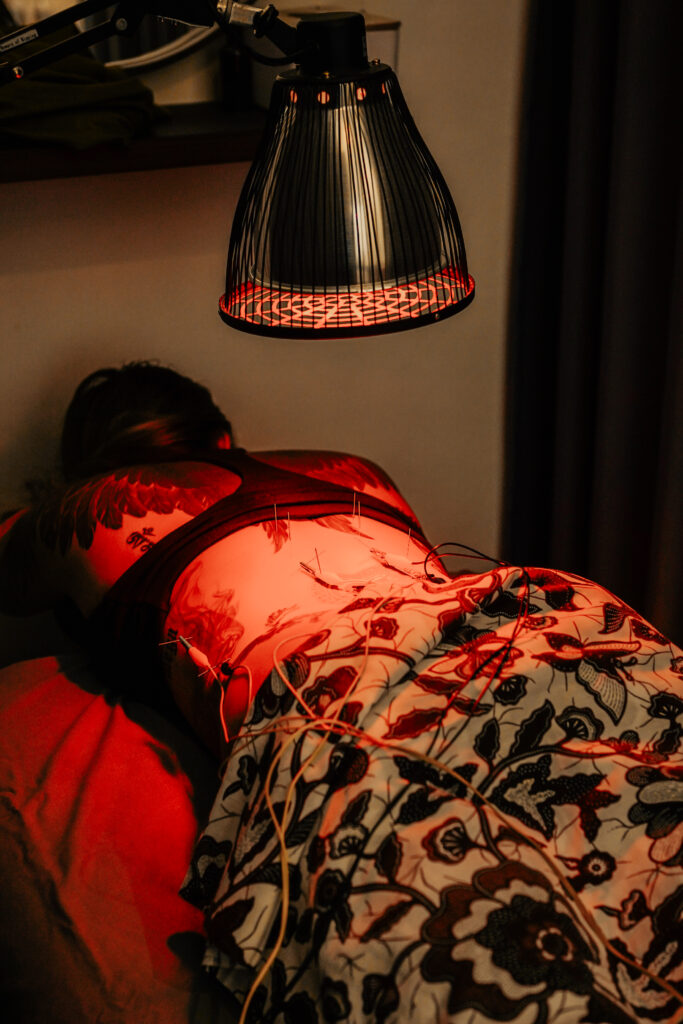
- Acupuncture: Focus on Kidney and Urinary Bladder meridians to tonify and release tension
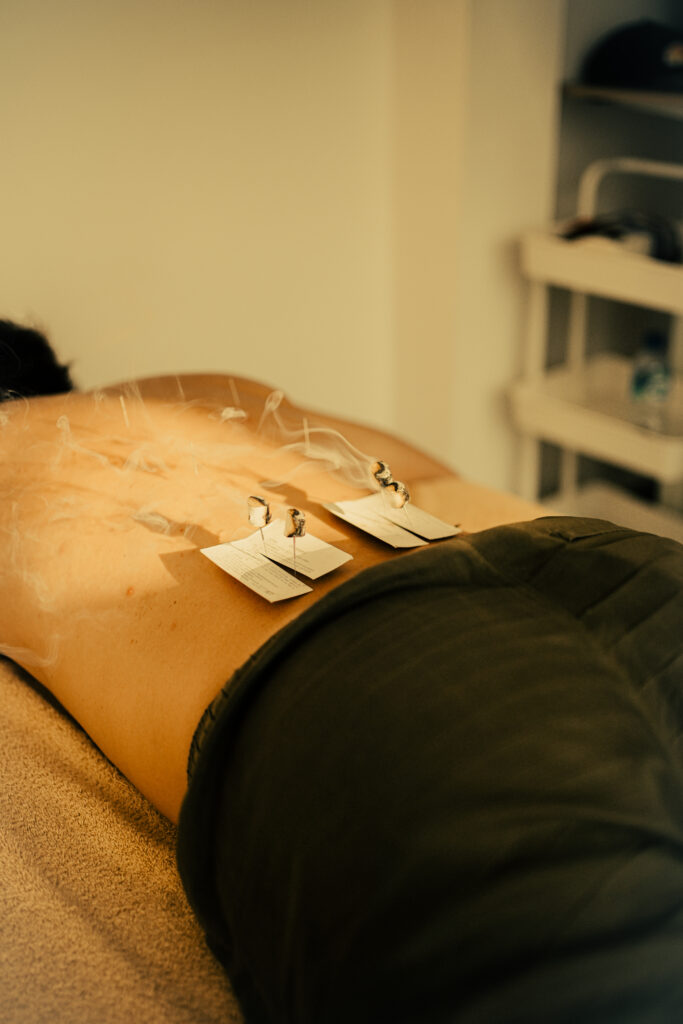
- Moxibustion: Particularly helpful in Yang deficiency or cold-type pain
- Tui Na Massage: To promote energy flow and ease stiffness in the lumbar area
- Herbal recommendations:
– Liu Wei Di Huang Wan (for Yin Deficiency)
– Jin Gui Shen Qi Wan (for Yang Deficiency)
Conclusion
TCM reminds us that not all back pain is muscular. When pain is chronic, dull, and persistent—especially with signs of fatigue, coldness, or aging—consider Kidney Deficiency. Strengthening the Kidneys through acupuncture, herbal support, lifestyle, and diet offers a sustainable, holistic path to relief.
Sources:
Maciocia, G. (2005). The Foundations of Chinese Medicine. Elsevier.
Deadman, P., & Al-Khafaji, M. (2001). A Manual of Acupuncture.
Yin Yang House. (2023). Kidney Patterns and Lower Back Pain.