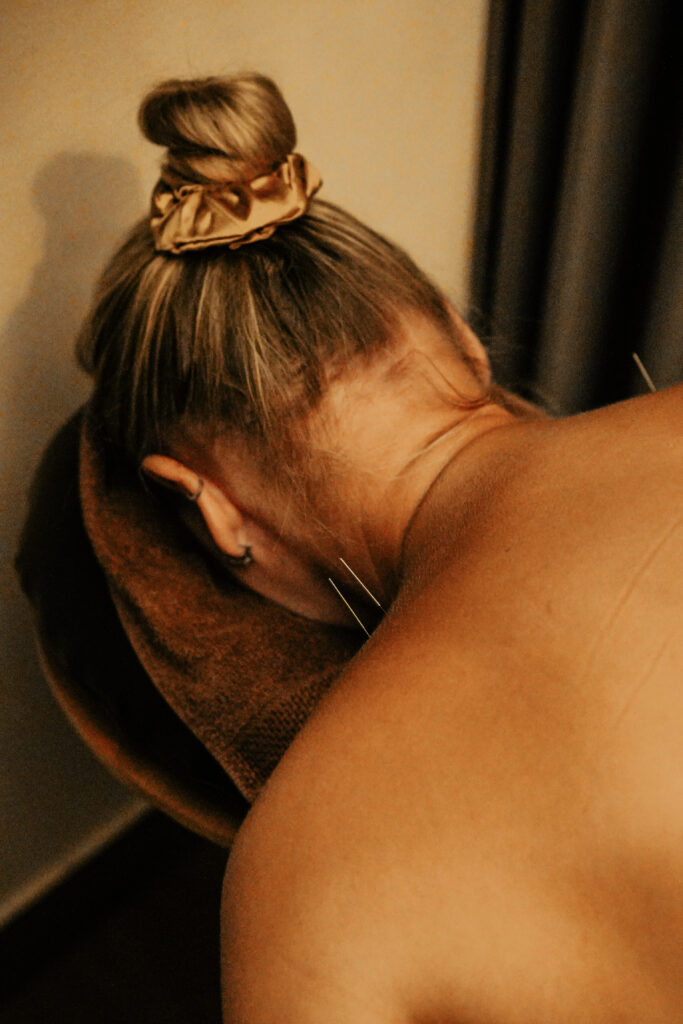

Many people notice their back pain gets worse during stressful periods, emotional tension, or long days of frustration. In Traditional Chinese Medicine (TCM), the connection between emotions and physical pain is very real. The Liver is responsible for keeping Qi (energy) flowing smoothly throughout the body. When emotions such as stress, anger, or frustration are suppressed, Liver Qi can stagnate. Over time, this stagnation may affect the muscles and meridians of the back, creating tightness, soreness, and chronic discomfort.
Key Organ Systems Involved:
-
- Liver (Gan): Regulates the smooth flow of Qi and emotions. When Liver Qi stagnates, tension can accumulate in the muscles and tendons.
-
- Gallbladder (Dan): Paired with the Liver and influences tendons and side-body pathways that affect the back and shoulders.
-
- Bladder (Pangguang): The longest meridian in the body, running along the entire back and often involved in chronic back tension.
Common TCM Patterns for Back Pain:
-
- Liver Qi Stagnation: Emotional stress, chest tightness, mood swings, back and shoulder tension.
-
- Qi and Blood Stagnation: Fixed or stabbing pain in the back due to poor circulation.
-
- Liver Overacting on Spleen: Digestive issues with muscle fatigue and tension from prolonged stress.
Treatment Principles in TCM:
-
- Soothe and regulate Liver Qi.
-
- Promote circulation of Qi and Blood in the back.
-
- Relax tendons and muscles.
-
- Calm the Shen (mind) to reduce emotional tension.
Diet and Lifestyle Tips (TCM-Based):
-
- Eat balanced meals at regular times to support Liver and Spleen harmony.
-
- Include foods that support Liver Qi movement such as leafy greens, citrus peel, turmeric, and ginger.
-
- Reduce alcohol, greasy foods, and excessive caffeine.
-
- Practice stress-reducing activities such as walking, stretching, breathing exercises, or qigong.
Daily Acupressure Points:
-
- LV3 (Taichong): Located on the foot between the first and second toes. Moves Liver Qi and reduces emotional tension.
-
- BL23 (Shenshu): On the lower back, associated with Kidney energy and lumbar support.
-
- GB34 (Yanglingquan): On the outside of the knee. Influences tendons and muscle flexibility.
-
- LI4 (Hegu): On the hand between the thumb and index finger. Promotes circulation and relieves tension.
TCM Treatment Recommendations:
-
- Acupuncture: Focus on Liver, Gallbladder, and Bladder meridians to release stagnation.
-
- Cupping therapy: Along the upper and mid-back to improve blood flow.
-
- Herbal formulas: Xiao Yao San or Chai Hu Shu Gan San may help regulate Liver Qi.
-
- Movement therapy: Gentle stretching or yoga to keep Qi circulating smoothly.
Conclusion: In TCM, chronic back tension is not only a structural issue but often an energetic and emotional one. When emotions restrict the smooth movement of Liver Qi, the body can express this imbalance through muscular tension and pain. Addressing both emotional well-being and physical circulation is key to long-term relief.
Sources:
-
- Maciocia, Giovanni. The Foundations of Chinese Medicine. Elsevier.
-
- Deadman, Peter. A Manual of Acupuncture.
-
- Flaws, Bob. The Treatment of Modern Western Medical Diseases with Chinese Medicine.