
In Traditional Chinese Medicine (TCM), age is not just a number—it reflects shifts in the body’s Qi, Blood, Yin, Yang, and Essence (Jing). Classical texts describe that after age 35, women begin to experience a natural decline in Kidney Jing, which influences reproductive health, menstrual cycles, fertility, and emotional resilience.
At the same time, the Liver plays a crucial role in regulating the smooth flow of Qi and Blood, both of which are essential for hormonal balance. When Liver Qi stagnates or Blood becomes deficient, symptoms such as irregular periods, mood swings, fatigue, and early menopausal signs may appear.
Supporting hormonal balance after 35 therefore means focusing on Kidney preservation and Liver regulation to maintain vitality, emotional well-being, and long-term reproductive health.
Key Organ Systems Involved
- Kidney (Shen, 腎)
- Stores Jing (Essence) and governs growth, fertility, and aging.
- Weakness → irregular periods, low libido, infertility, early menopause, fatigue.
- Liver (Gan, 肝)
- Regulates smooth Qi and stores Blood.
- Stagnation or deficiency → PMS, irritability, headaches, menstrual irregularities.
- Spleen (Pi, 脾)
- Produces Qi and Blood from food.
- Weakness → fatigue, poor digestion, worsens hormonal imbalance.
- Heart (Xin, 心)
- Houses the Shen (mind/spirit).
- Disharmony → anxiety, insomnia, palpitations around hormonal shifts.
Common TCM Patterns After 35
Kidney Yin Deficiency
- Symptoms: hot flashes, night sweats, scanty periods, dizziness, tinnitus.
- Tongue: red, little coat.
- Pulse: thin, rapid.
Kidney Yang Deficiency
- Symptoms: cold limbs, fatigue, low libido, prolonged cycles, lower back weakness.
- Tongue: pale, swollen.
- Pulse: deep, weak.
Liver Qi Stagnation
- Symptoms: PMS, mood swings, breast distension, irregular cycles.
- Tongue: slightly red sides.
- Pulse: wiry.
Liver Blood Deficiency
- Symptoms: scanty periods, dry skin/hair, dizziness, fatigue, insomnia.
- Tongue: pale.
- Pulse: thready.
Treatment Principles in TCM
- Tonify Kidney Yin or Yang depending on the presentation.
- Nourish Liver Blood and regulate Qi to stabilize menstruation and mood.
- Strengthen the Spleen to ensure Qi and Blood production.
- Calm the Shen to reduce anxiety and support sleep.
- Harmonize Chong and Ren vessels to regulate reproductive cycles.
Diet and Lifestyle Tips (TCM-Based)
Diet Tips
- Kidney Nourishing Foods: black sesame, walnuts, goji berries, seaweed, lamb, bone broth.
- Liver Blood Foods: spinach, beetroot, dates, eggs, chicken, dark leafy greens.
- Yin Nourishing Foods: pears, tofu, mulberries, lily bulb, barley.
- Yang Warming Foods: ginger, cinnamon, leeks, walnuts.
- Avoid: excessive coffee, alcohol, spicy/fried foods, raw cold foods—they stress Kidneys and block Liver Qi.
Lifestyle Tips
- Sleep before 11 p.m. to protect Yin and Blood.
- Engage in moderate, regular exercise (walking, yoga, Tai Chi).
- Avoid chronic stress—practice meditation, journaling, or breathing exercises.
- Keep lower back and abdomen warm to support Kidney Yang.
- Allow adequate rest after menstruation to rebuild Blood.
Daily Acupressure for Hormonal Balance
KI3 – Taixi (太溪)
- Location: Between medial ankle and Achilles tendon.
- Function: Nourishes Kidney Yin and Yang, supports reproductive health.
SP6 – Sanyinjiao (三陰交)
- Location: 3 cun above the medial malleolus.
- Function: Harmonizes Spleen, Liver, and Kidney; regulates menstruation and fertility.
LV3 – Taichong (太沖)
- Location: Top of the foot, between 1st and 2nd metatarsal bones.
- Function: Moves Liver Qi, relieves PMS, balances emotions.
REN4 – Guanyuan (關元)
- Location: 3 cun below the navel.
- Function: Tonifies Kidney, nourishes Essence, regulates cycles.
HT7 – Shenmen (神門)
- Location: At wrist crease, radial side of pisiform.
- Function: Calms Shen, improves sleep, reduces anxiety.
Technique: Apply gentle pressure 1–2 minutes per point daily with slow breathing.
TCM Treatment Recommendations
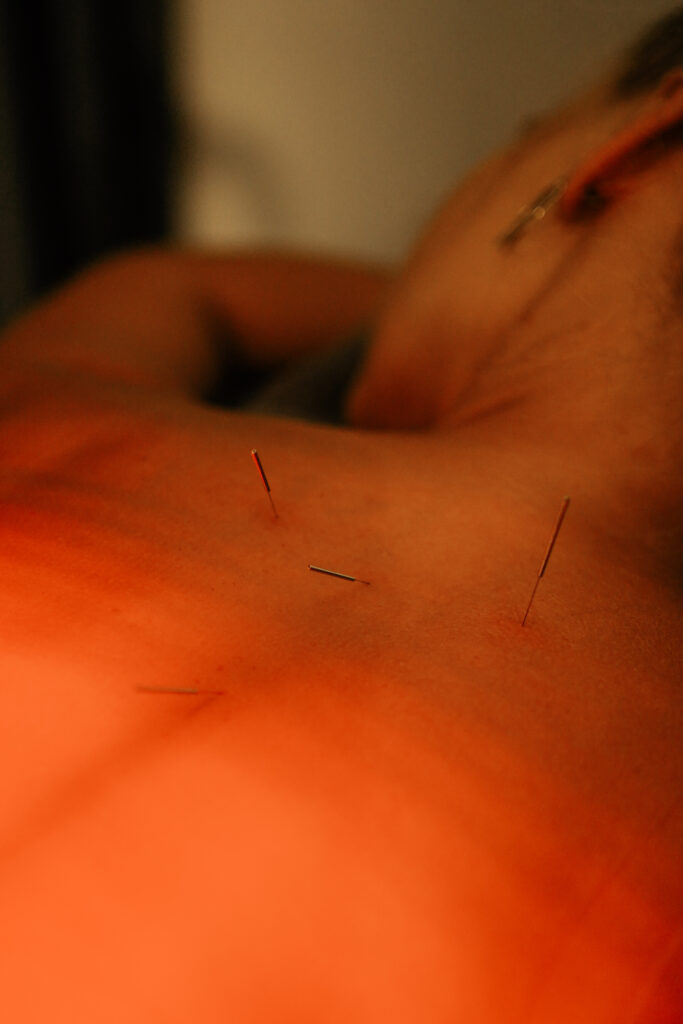
- Acupuncture:
- For Kidney Yin deficiency: KI3, SP6, REN4, BL23.
- For Kidney Yang deficiency: DU4, REN6, BL23, KI7.
- For Liver Qi stagnation: LV3, GB34, LI4.
- For Liver Blood deficiency: SP10, BL17, ST36.
- Herbal Medicine:
- Liu Wei Di Huang Wan → Kidney Yin deficiency, hot flashes, night sweats.
- You Gui Wan → Kidney Yang deficiency, fatigue, cold limbs.
- Xiao Yao San → Liver Qi stagnation with PMS.
- Si Wu Tang → Liver Blood deficiency with scanty periods.
- Moxibustion: On DU4 and REN4 for Yang deficiency, to warm Kidneys.
- Qi Gong & Tai Chi: To maintain emotional stability and support energy circulation.
Conclusion
After age 35, hormonal balance depends greatly on the Kidneys and Liver in TCM theory. The Kidneys provide the foundation of Essence and reproductive vitality, while the Liver ensures smooth Qi flow and adequate Blood supply. When either becomes imbalanced, symptoms such as irregular menstruation, fatigue, hot flashes, or mood swings arise.
By tonifying the Kidneys, nourishing Liver Blood, and adopting supportive lifestyle, diet, and TCM treatments, women can sustain hormonal harmony, emotional well-being, and vitality well into midlife.
Sources
- Lyttleton, Jane. Treatment of Infertility with Chinese Medicine. Churchill Livingstone, 2004.
- Unschuld, Paul U. Medicine in China: A History of Ideas. University of California Press, 1985.
- Flaws, Bob & Lake, Honora. Seasons of a Woman’s Life: Classical Chinese Medicine for Women’s Health. Blue Poppy Press, 1995.