Long hours of driving can place significant strain on the lower back, hips, and spine. Many people notice stiffness or pain after sitting behind the wheel for extended periods. In Traditional Chinese Medicine (TCM), prolonged sitting and lack of movement can lead to Qi and Blood stagnation in the lower back and hips. Over time, this stagnation may weaken the circulation along the meridians that support the spine, leading to soreness, tightness, or chronic low back discomfort.
Key Organ Systems Involved:
- Kidney (Shen): The Kidneys govern bones and support the lower back. Long periods of sitting can weaken the Kidney system and contribute to lumbar fatigue.
- Bladder (Pangguang) Meridian: This meridian runs along the spine and lower back and is often involved in lumbar stiffness or pain.
- Gallbladder (Dan) Meridian: Passes through the hips and outer legs, influencing mobility and posture.
Common TCM Patterns for Driving-Related Back Pain:
- Qi and Blood Stagnation: Pain or stiffness after sitting for long periods.
- Cold-Damp Accumulation: Achy lower back pain that worsens in cold weather or air-conditioned environments.
- Kidney Qi Deficiency: Chronic low back weakness, fatigue, or soreness that develops over time.
Treatment Principles in TCM:
- Promote circulation of Qi and Blood in the lower back.
- Strengthen Kidney energy to support the spine.
- Relax muscles and open the meridians around the hips and lumbar area.
Diet and Lifestyle Tips (TCM-Based):
- Take short breaks during long drives to stretch and walk for a few minutes.
- Keep the lower back warm, especially in air-conditioned environments.
- Include nourishing foods such as bone broth, black beans, walnuts, and sesame seeds to support Kidney energy.
- Avoid excessive cold drinks and raw foods that weaken digestion and circulation.
Daily Acupressure Points:
- BL23 (Shenshu): Located on the lower back near the second lumbar vertebra. Strengthens Kidney energy and supports the lumbar region.
- BL40 (Weizhong): Located behind the knee. Known as an important point for relieving lower back pain and improving circulation along the Bladder channel.
- GB30 (Huantiao): Located on the hip. Helps relieve lower back pain and improves hip mobility.
- KD3 (Taixi): Located near the inner ankle. Strengthens Kidney energy and supports the lower back.
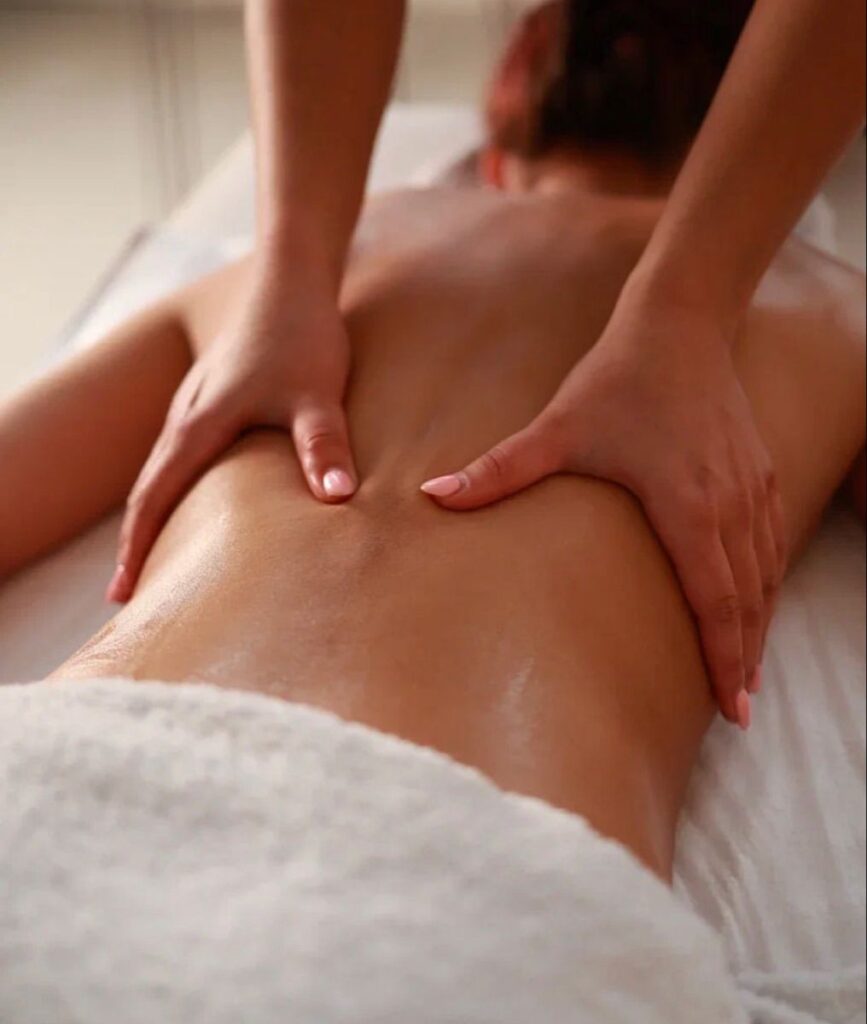
Massage each point for 1–2 minutes to stimulate circulation and relieve tension.
TCM Treatment Recommendations:
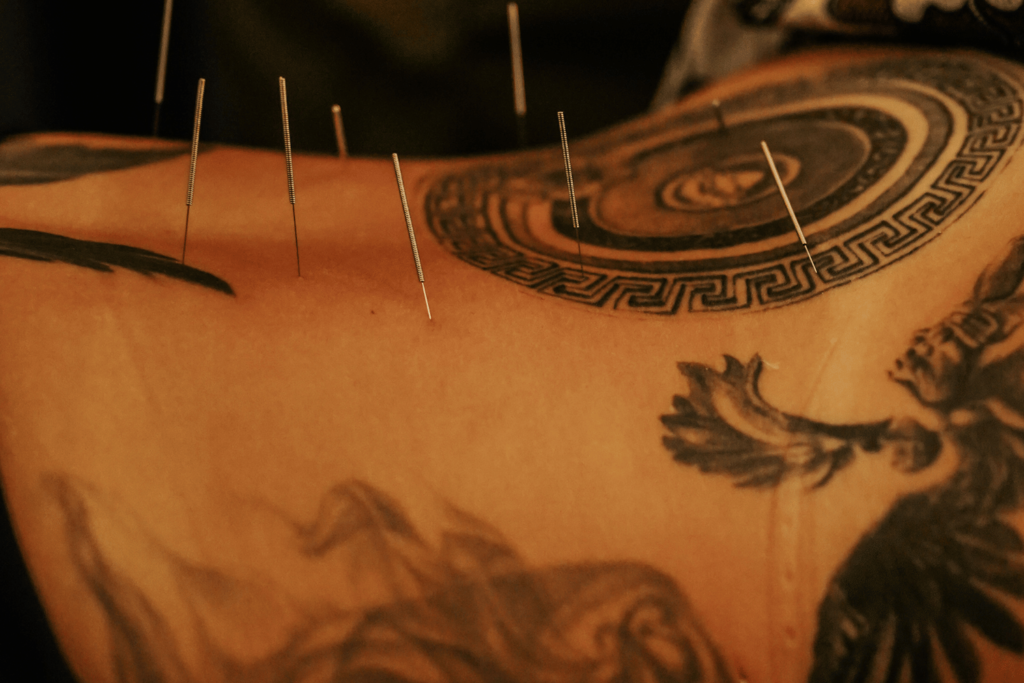
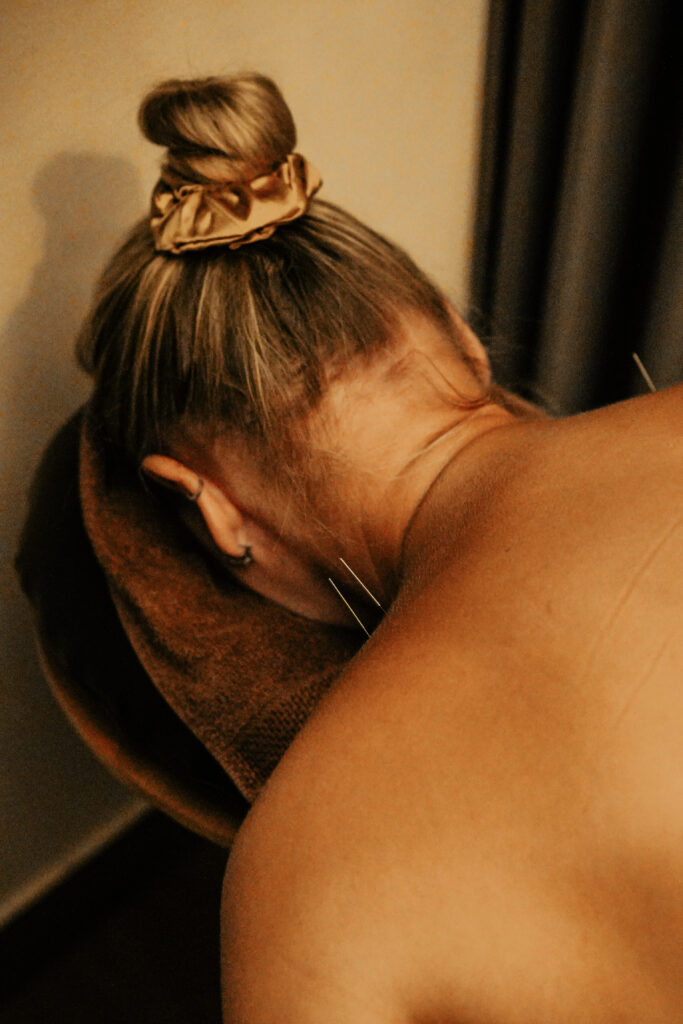
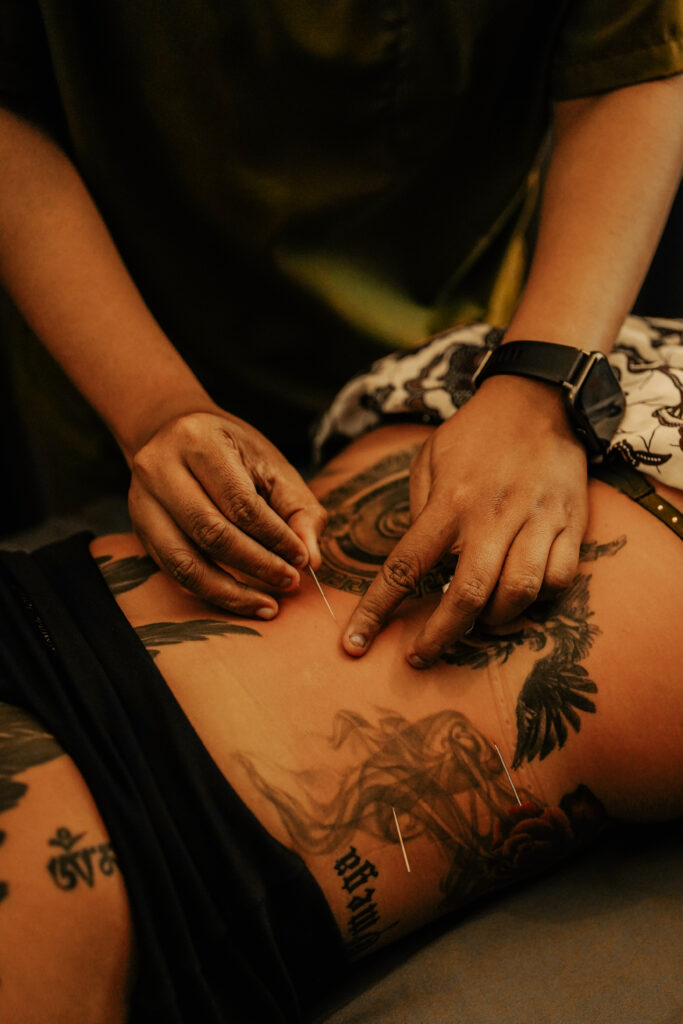
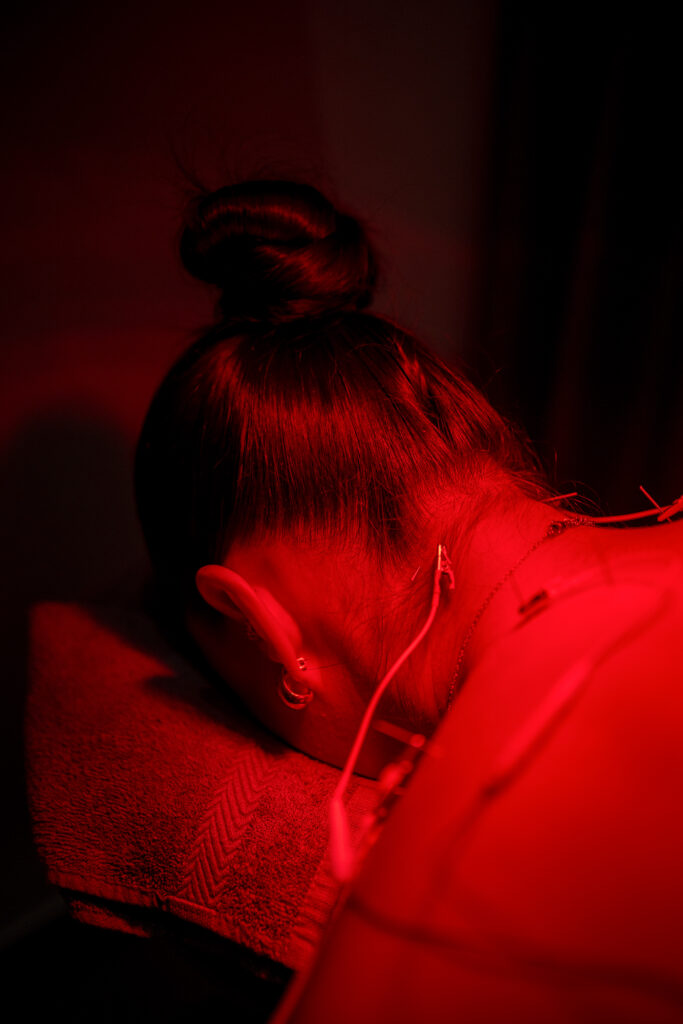
- Acupuncture: Focus on Bladder, Kidney, and Gallbladder channels to relieve lumbar tension.
- Cupping therapy: Applied along the lower back to improve blood circulation.
- Herbal formulas:
- Du Huo Ji Sheng Tang for chronic back pain associated with deficiency and dampness.
- Stretching therapy: Gentle hip and lower back stretches help restore Qi flow after prolonged sitting.
Conclusion:
Back pain from long driving is often the result of stagnation and reduced circulation in the lower back. From a TCM perspective, maintaining movement, supporting Kidney energy, and keeping the lumbar area warm are essential steps in preventing chronic discomfort. Simple lifestyle adjustments and regular acupressure can make a significant difference for people who spend long hours on the road.
Sources:
- Maciocia, Giovanni. The Foundations of Chinese Medicine. Elsevier.
- Deadman, Peter. A Manual of Acupuncture.
- Wiseman, Nigel. Fundamentals of Chinese Medicine.