
In Traditional Chinese Medicine (TCM), emotions are not separate from physical health. Each emotion is linked to a specific organ system. Worry and overthinking directly affect the Spleen (Pi), which plays a central role in digestion, energy production, and the transformation of food into Qi and Blood.
When worry is excessive or prolonged, it knots the Qi and weakens the Spleen. A weak Spleen struggles to transform food and fluids, leading to digestive problems such as bloating, poor appetite, fatigue, and loose stools. This creates a cycle: worry injures the Spleen, and a weakened Spleen increases mental fatigue, making it harder to stop worrying.
Key Organ Systems Involved
- Spleen (Pi) – Governs transformation and transportation of food into Qi and Blood. Weakened by worry and overthinking.
- Stomach (Wei) – Paired with the Spleen. Responsible for receiving and digesting food. Easily affected by emotional stress.
- Heart (Xin) – Houses the Shen (mind/spirit). Disturbed Shen worsens overthinking and anxiety.
- Liver (Gan) – Ensures smooth Qi flow. If Qi stagnates, digestive functions become sluggish, compounding Spleen weakness.
Common TCM Patterns of Worry Affecting Digestion
- Spleen Qi Deficiency
- Symptoms: poor appetite, bloating after meals, fatigue, loose stools, overthinking, pale complexion.
- Tongue: pale with teeth marks.
- Pulse: weak or soft.
- Spleen Qi Sinking
- Symptoms: chronic diarrhea, prolapse (stomach, uterus, rectum), fatigue, mental overexertion.
- Tongue: pale, swollen.
- Pulse: weak.
- Liver Qi Stagnation Invading Spleen
- Symptoms: abdominal distension, alternating constipation and diarrhea, irritability, worsens with stress.
- Tongue: normal or slightly red on the sides.
- Pulse: wiry.
Treatment Principles in TCM
- Strengthen Spleen Qi to improve digestion and energy.
- Harmonize Spleen and Stomach for balanced food transformation.
- Calm the Shen to ease worry and mental overactivity.
- Regulate Liver Qi to prevent stress from disrupting digestion.
Diet and Lifestyle Tips (TCM-Based)
Diet Tips
- Eat warm, cooked foods (congee, soups, steamed vegetables).
- Include Spleen-strengthening foods: sweet potatoes, pumpkin, oats, lentils, red dates, chicken.
- For Qi sinking: add ginseng, astragalus, and yam (preferably guided by a TCM practitioner).
- Avoid raw, cold, greasy, or overly sweet foods that burden the Spleen.
Lifestyle Tips
- Practice mindful eating—don’t multitask or eat under stress.
- Get regular sleep and avoid late-night overthinking.
- Take breaks during mental work to reduce strain on Spleen Qi.
- Gentle exercise like walking, Tai Chi, or yoga helps move Qi.
- Journaling or meditation helps release excessive worry.
Daily Acupressure for Worry and Digestion
- ST36 – Zu San Li (足三里)
- Location: 3 cun below the knee, one finger breadth lateral to the tibia.
- Function: Tonifies Qi, strengthens digestion, relieves fatigue.
- SP6 – San Yin Jiao (三陰交)
- Location: 3 cun above the medial malleolus, behind tibia.
- Function: Tonifies Spleen and Stomach, calms the Shen.
- CV12 – Zhong Wan (中脘)
- Location: Midline of abdomen, midway between umbilicus and sternum.
- Function: Harmonizes Spleen and Stomach, relieves bloating.
- HT7 – Shen Men (神門)
- Location: On the wrist crease, radial side of flexor carpi ulnaris tendon.
- Function: Calms the Shen, reduces worry and insomnia.
- LR3 – Tai Chong (太衝)
- Location: On dorsum of foot, between first and second metatarsal bones.
- Function: Moves Liver Qi, eases stress affecting digestion.
Technique: Apply firm but gentle pressure for 1–2 minutes on each point, once or twice daily.
TCM Treatment Recommendations
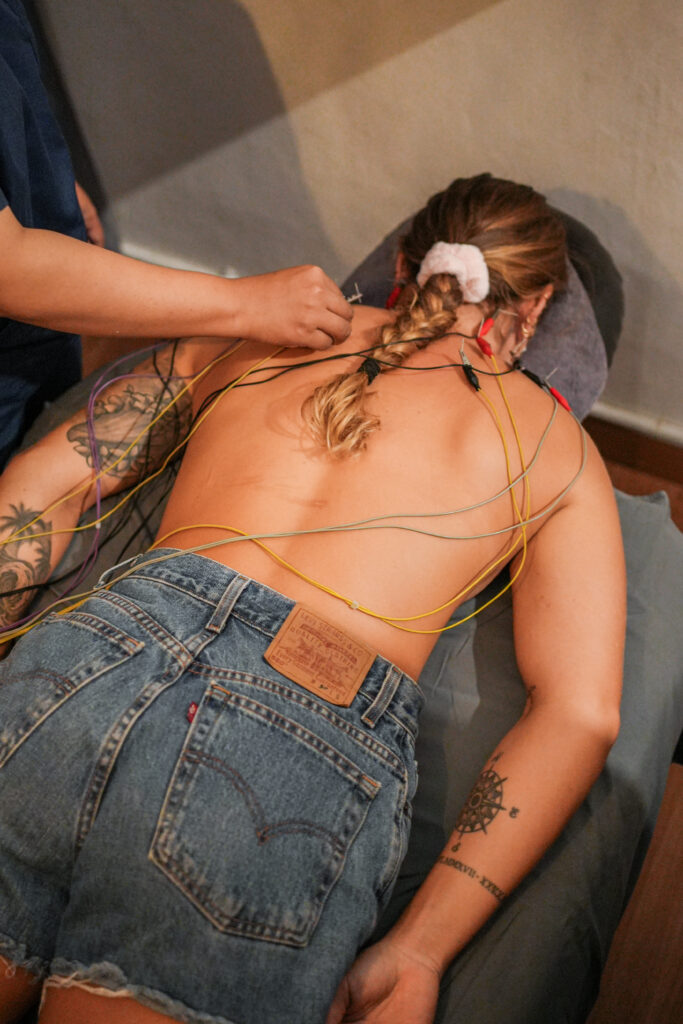
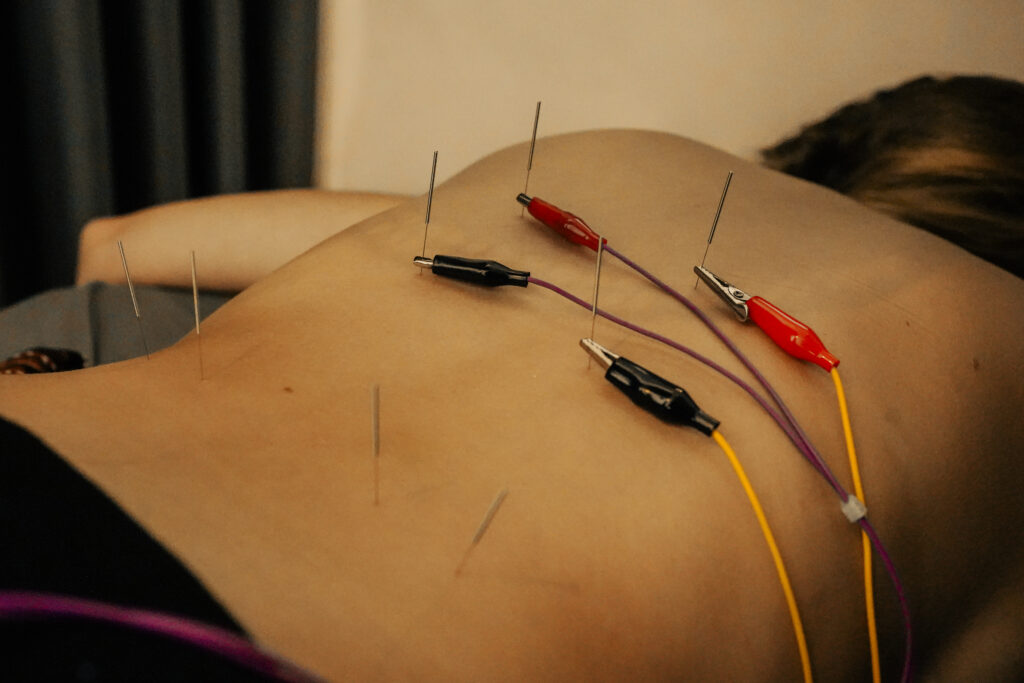
- Acupuncture: ST36, SP6, CV12, HT7, LR3 to strengthen Spleen, calm Shen, and regulate Qi.
- Moxibustion: on CV12 and ST36 to warm the Spleen and improve transformation.
Conclusion
In TCM, worry is more than an emotional state—it directly weakens the Spleen, leading to poor digestion and fatigue. By strengthening Spleen Qi, calming the Shen, and regulating Liver Qi, this cycle can be broken. A combination of balanced diet, mindful lifestyle habits, daily acupressure, acupuncture, and herbal support offers an effective way to restore harmony between mind and body.
Sources
- Maciocia, Giovanni. The Practice of Chinese Medicine. Elsevier, 2005.
- Deadman, Peter et al. A Manual of Acupuncture. Journal of Chinese Medicine Publications, 2007.
- Chen, John K. & Chen, Tina T. Chinese Medical Herbology and Pharmacology. Art of Medicine Press, 2004