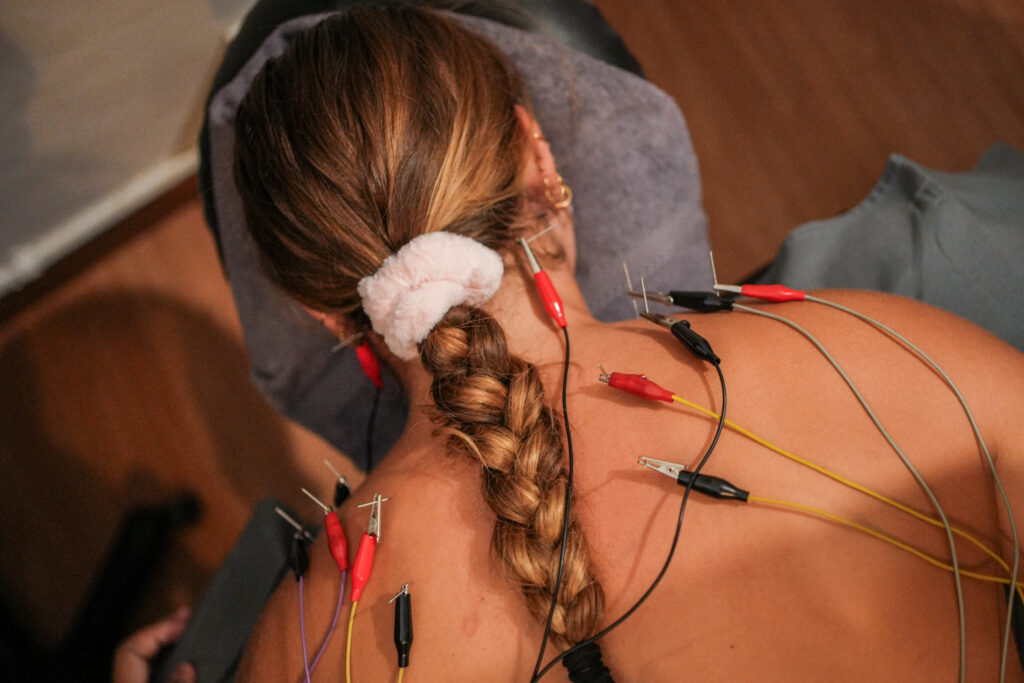
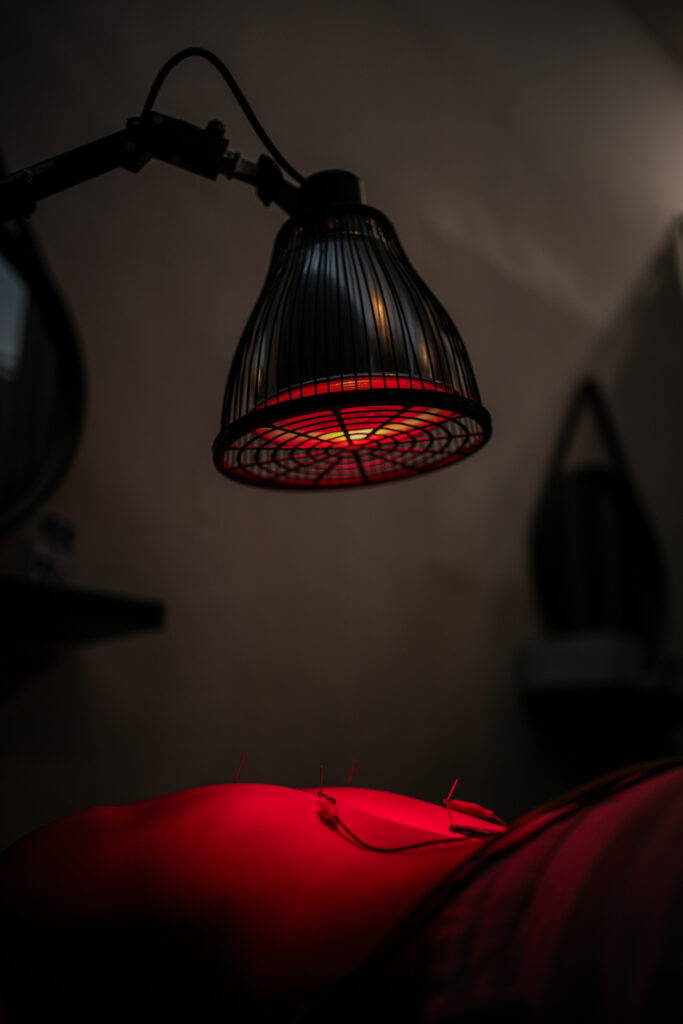
Cold weather often seems to make back pain worse, especially in people with existing discomfort. From a Traditional Chinese Medicine (TCM) perspective, this isn’t just your imagination, the environment plays a crucial role in our internal balance. Cold and dampness are considered external pathogenic factors that can invade the body, obstructing the flow of Qi and Blood, particularly in the lower back.
Key Organ Systems Involved
- Kidneys (Shen): The Kidneys govern the lower back and are considered the root of life and source of Yang energy. When Kidney Yang is weak, the body is more vulnerable to Cold invasion.
Bladder (Pang Guang): The Bladder channel runs along the back and is especially vulnerable to Wind-Cold-Damp invasion.
Common TCM Patterns for Cold-Related Low Back Pain
Cold-Damp Invasion: Heaviness, stiffness, pain that worsens with cold or damp weather, relief with warmth.
Kidney Yang Deficiency: Dull lower back ache, cold limbs, fatigue, frequent urination, better with warmth and rest.
Treatment Principles in TCM
Expel Cold and Damp
Warm and tonify Kidney Yang
Promote circulation of Qi and Blood
Unblock channels in the lower back
Diet and Lifestyle Tips (TCM-Based)
Eat warm, cooked foods: Bone broth, ginger tea, lamb, cinnamon, garlic
Avoid raw, cold, and damp-producing foods: Ice cream, raw vegetables, dairy
Keep the lower back warm: Use a warm compress or wear heat-retaining layers
Gentle movement: Tai Chi, Qigong, or stretching to improve circulation
Sleep well: Early to bed to support Kidney energy
Daily Acupressure for Cold-Damp Low Back Pain
Shenshu (BL23 – 腎俞)
Location: 1.5 cun lateral to the lower border of the spinous process of L2
Function: Strengthens Kidneys, relieves low back pain
Mingmen (DU4 – 命門)
Location: Below the spinous process of L2, on the midline
Function: Warms Kidney Yang, strengthens the lumbar area
Yaoyangguan (DU3 – 腰陽關)
Location: Below the spinous process of L4
Function: Dispels Cold, strengthens lower back
TCM Treatment Recommendation
Acupuncture: Focus on warming the meridians and tonifying Kidney Yang (BL23, DU4, DU3, BL40)
Moxibustion: Especially effective for Cold-Damp pain, warming the area and strengthening Kidney Yang
Cupping: Can help release Cold and Damp stagnation from the Bladder meridian on the back
Conclusion If you experience worsening back pain during cold or wet weather, TCM offers a comprehensive explanation and effective therapeutic strategies. Protect your lower back, eat warm foods, and seek professional acupuncture to address the root imbalance.
Sources:
Maciocia, G. (2005). The Foundations of Chinese Medicine.
Deadman, P., & Al-Khafaji, M. (2007). A Manual of Acupuncture.
NIH National Center for Complementary and Integrative Health (NCCIH)