
In Traditional Chinese Medicine (TCM), upper back pain is not seen as merely a muscular or postural issue—it is the result of Qi and Blood imbalance in the channels running through the upper back, especially the Urinary Bladder (Taiyang) meridian. Pain occurs when Qi and Blood are blocked, often due to external pathogenic factors (Wind, Cold, Damp), emotional stress, or organ disharmony.
While both cupping and acupuncture are effective for upper back pain, the ideal therapy depends on the root cause. Acupuncture excels at regulating internal imbalances and channel flow, while cupping is especially powerful in releasing muscular tension, drawing out external pathogens, and improving local circulation.
Key Organ Systems Involved
- Urinary Bladder (Pang Guang Jing)
- The main meridian involved in upper back pain, running down both sides of the spine. Stagnation here causes tightness, stiffness, and pain.
- Liver (Gan)
- Controls the smooth flow of Qi. Liver Qi stagnation often results in emotional tension manifesting as tight upper back and shoulders.
- Kidney (Shen)
- Deficiency in Kidney Qi or Yang may cause chronic, dull upper back pain and fatigue, especially in older adults.
- Heart (Xin)
- Emotional stress (sadness, anxiety) can disturb Heart Qi and contribute to tension in the upper back and chest area.
Common TCM Patterns for Upper Back Pain
- Wind-Cold-Damp Invasion
- Symptoms: sudden stiffness, pain aggravated by cold, better with warmth
- Tongue: white greasy coating
- Pulse: tight, superficial
- Best therapy: cupping
- Qi and Blood Stagnation
- Symptoms: stabbing or fixed pain, better with movement or heat, worse at night
- Tongue: purple or dark
- Pulse: choppy
- Best therapy: acupuncture and cupping combination
- Liver Qi Stagnation
- Symptoms: tension, emotional stress, upper back tightness, irritability
- Tongue: slightly red edges
- Pulse: wiry
- Best therapy: acupuncture
- Kidney Yang Deficiency
- Symptoms: dull, chronic pain, fatigue, cold sensation in the back
- Tongue: pale with white coating
- Pulse: deep and weak
- Best therapy: acupuncture with moxibustion
Treatment Principles in TCM
- Expel Wind-Cold-Damp in acute or sudden pain
- Move Qi and invigorate Blood to resolve stagnation
- Soothe Liver Qi to ease tension from emotional causes
- Tonify Kidney Qi/Yang for chronic deficiency
- Unblock the Bladder channel through local and distal treatment
Diet and Lifestyle Tips (TCM-Based)
Diet
- For Wind-Cold-Damp: avoid cold, raw foods; favor warm soups, ginger, scallions
- For Qi and Blood stagnation: add turmeric, cinnamon, leafy greens, and circulation-boosting foods
- For Liver Qi stagnation: include citrus, green tea, and peppermint
- For Kidney deficiency: eat black sesame, walnuts, bone broth, goji berries
Lifestyle
- Keep your back warm, especially in windy or cold environments
- Stretch regularly and practice Tai Chi or Qigong
- Avoid sitting or hunching for long periods—maintain correct posture
- Use heat therapy (e.g., warm compresses or moxa) for chronic tension
Daily Acupressure for Upper Back Pain
- BL13 – Fei Shu (肺俞)
- Location: 1.5 cun lateral to T3 vertebra
- Function: relieves upper back pain, especially between shoulder blades
- BL15 – Xin Shu (心俞)
- Location: 1.5 cun lateral to T5
- Function: good for stress-related upper back tension and calming the Heart
- SI11 – Tian Zong (天宗)
- Location: in the center of the scapula
- Function: excellent for releasing shoulder blade tension
- GB21 – Jian Jing (肩井)
- Location: midpoint between the base of the neck and the tip of the shoulder
- Function: relaxes muscle tension, especially from stress
- LI4 – He Gu (合谷)
- Location: between the thumb and index finger
- Function: relieves pain and regulates Qi throughout the body
Technique: Apply moderate pressure to each point for 1–2 minutes while breathing deeply.
TCM Treatment Recommendations
When to Use Cupping
- Best for muscular tightness, Wind-Cold invasion, and local Qi/Blood stagnation
- Dry cupping on upper back muscles (BL12–BL15) improves circulation
- Moving cupping with oil relaxes the fascia and relieves soreness
- Recommended for acute or sub-acute stages with visible tension
When to Use Acupuncture
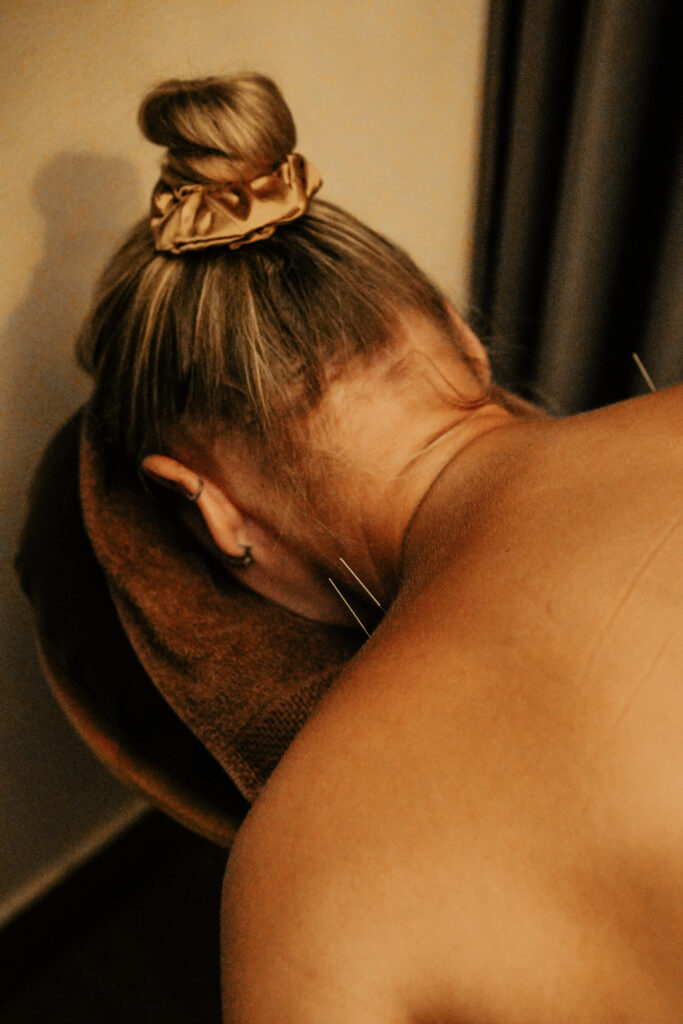
- Ideal for treating internal imbalances like Liver Qi stagnation or Kidney deficiency
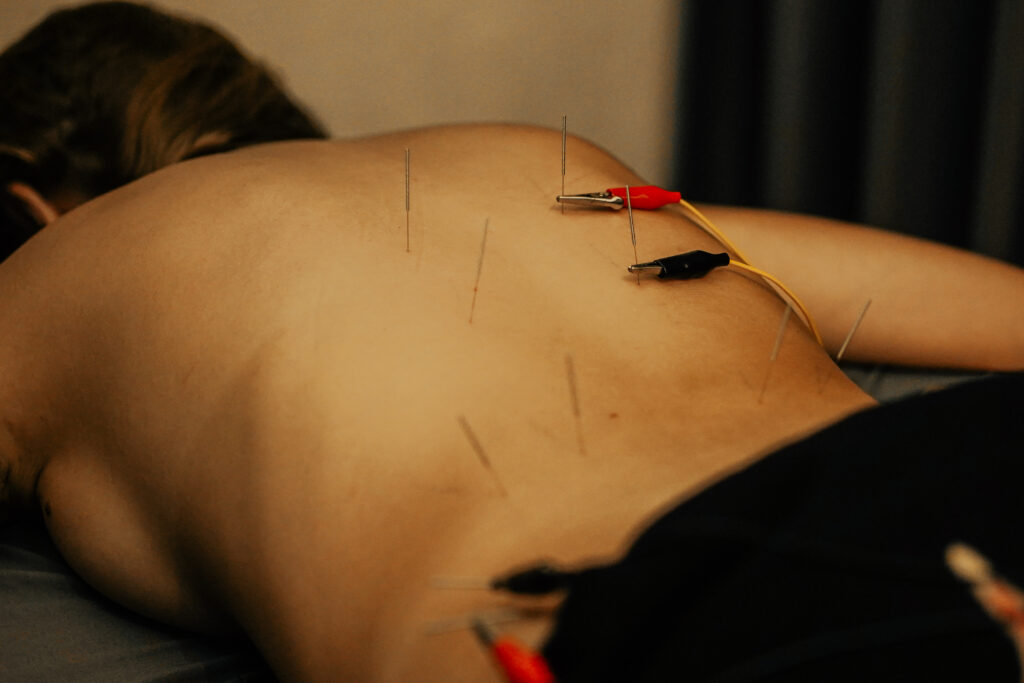
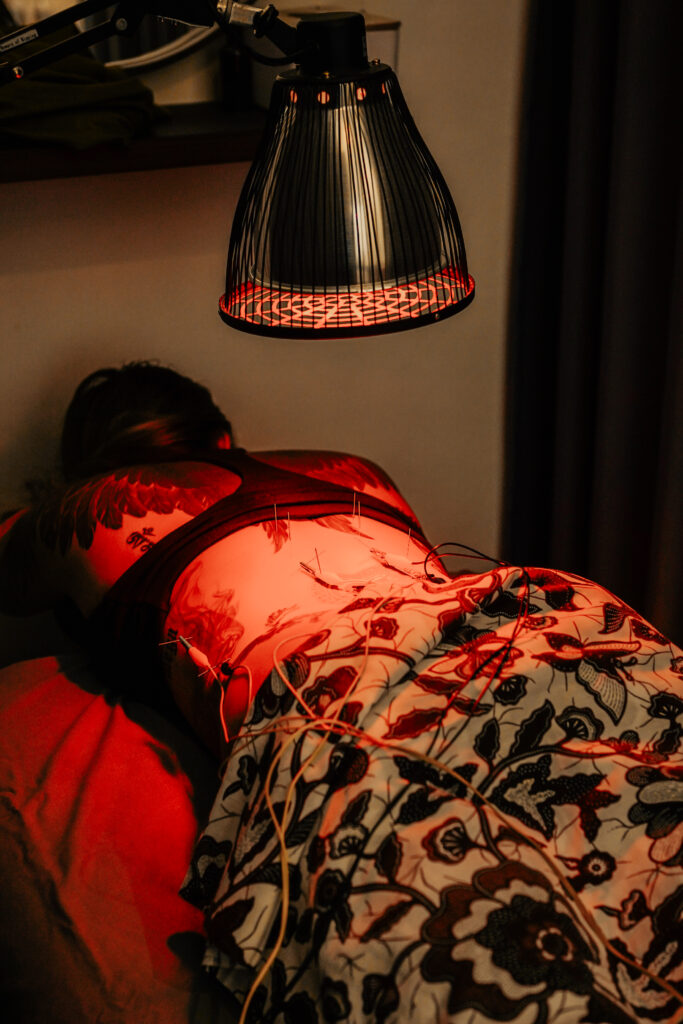
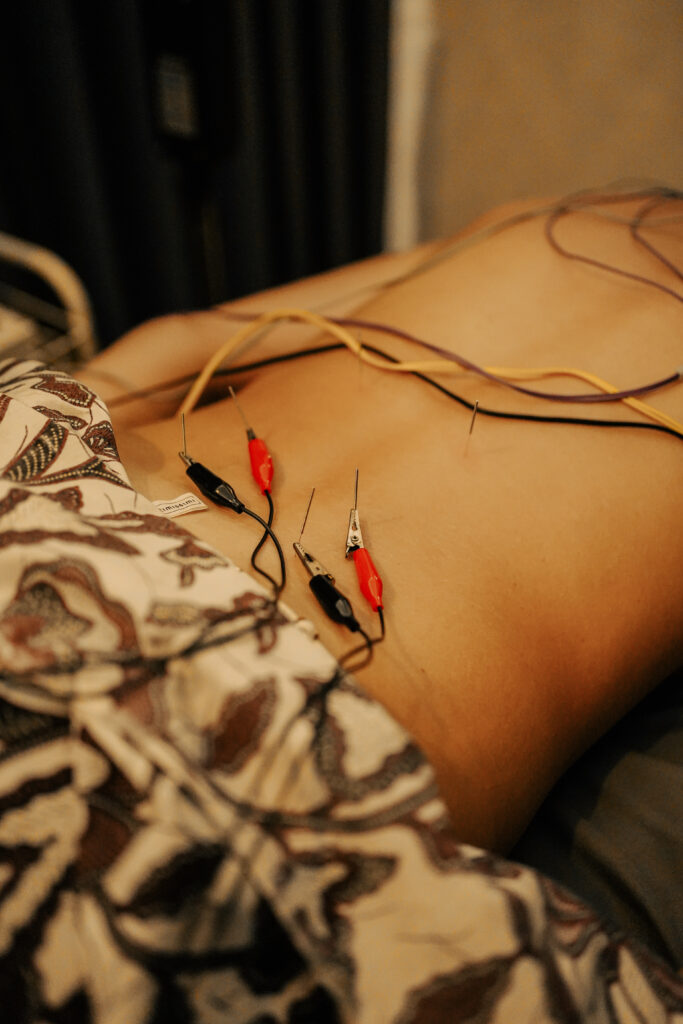
- Can be combined with electroacupuncture for chronic upper back tightness
- Acupuncture points: BL13, BL15, SI11, GB21, LI4, LV3, KI3
Best Results
- Combination therapy (cupping + acupuncture) often works best, addressing both external and internal factors
Conclusion
In TCM, upper back pain is rarely just a structural issue—it reflects deeper imbalances in Qi, Blood, and organ systems. Cupping is ideal for releasing surface-level tension and clearing Wind-Cold, while acupuncture is excellent for addressing internal disharmony and regulating meridians. The most effective approach often combines both therapies along with dietary and lifestyle adjustments for lasting relief and improved well-being.
Sources
- Maciocia, Giovanni. The Practice of Chinese Medicine: The Treatment of Diseases with Acupuncture and Chinese Herbs. Elsevier, 2005. ISBN: 9780443074905
- Deadman, Peter et al. A Manual of Acupuncture. Journal of Chinese Medicine Publications, 2007. ISBN: 0951054651
- Chen, John K. & Chen, Tina T. Chinese Medical Herbology and Pharmacology. Art of Medicine Press, 2004. ISBN: 9780974063504