
In Traditional Chinese Medicine (TCM), the period after childbirth is considered a time of great vulnerability. During pregnancy and delivery, a woman’s body expends large amounts of Blood (Xue), Qi, and Essence (Jing). The Kidneys (Shen), which govern Essence, reproduction, and the lumbar region, are especially taxed.
When Kidney Qi becomes deficient, the low back—known as the “mansion of the Kidneys”—loses its strength and stability. This explains why many women experience persistent lumbar soreness, weakness, or pain in the weeks or months after giving birth.
From a TCM perspective, postpartum low back pain is not just mechanical strain but a deeper reflection of Kidney depletion, Blood deficiency, and sometimes lingering Dampness or Cold.
Key Organ Systems Involved
- Kidney (Shen) – Governs bones, marrow, reproduction, and low back. Deficiency leads to lumbar weakness and soreness.
- Spleen (Pi) – Produces Qi and Blood; if weak, recovery is delayed and Dampness may accumulate.
- Liver (Gan) – Stores Blood; deficiency or stagnation can lead to pain, irritability, and poor healing.
- Heart (Xin) – Governs circulation of Blood; connects with the uterus through Bao Mai, influencing postpartum recovery.
Common TCM Patterns for Postpartum Low Back Pain
- Kidney Qi Deficiency
- Symptoms: dull low back pain, fatigue, weakness in knees, worse with exertion, frequent urination.
- Tongue: pale.
- Pulse: deep and weak.
- Kidney Yin Deficiency
- Symptoms: chronic low back soreness, night sweats, dry mouth, insomnia, dizziness.
- Tongue: red with little coating.
- Pulse: thin and rapid.
- Blood Deficiency
- Symptoms: soreness and weakness after delivery, pale complexion, dizziness, palpitations.
- Tongue: pale and thin.
- Pulse: thin.
- Cold-Damp Retention in the Low Back
- Symptoms: heavy, aching low back pain, worse with cold or damp weather, better with warmth.
- Tongue: pale with white greasy coat.
- Pulse: slow and slippery.
Treatment Principles in TCM
- Tonify Kidney Qi and Essence to strengthen lumbar region.
- Nourish Blood and Yin to restore postpartum vitality.
- Strengthen Spleen Qi to generate more Blood and transform fluids.
- Dispel Cold-Damp if present in the lumbar area.
- Regulate Liver Qi to promote smooth Blood flow and healing.
Diet and Lifestyle Tips (TCM-Based)
Diet Tips
- For Kidney Qi/Yin: bone broth, black beans, walnuts, sesame seeds, goji berries, eggs.
- For Blood nourishment: red dates, spinach, beets, lean red meat, chicken soup.
- For Cold-Damp: warming foods like ginger, cinnamon, garlic; avoid raw/cold foods.
- Avoid: excessive caffeine, alcohol, and greasy foods that burden Spleen and Kidneys.
Lifestyle Tips
- Rest as much as possible in the early postpartum phase to conserve Kidney Essence.
- Avoid exposure to cold or damp environments (including sitting on cold surfaces).
- Gentle movement such as postnatal yoga, stretching, or Qigong helps Qi circulation.
- Use a warm compress or moxa therapy over the lower back for Cold-Damp patterns.
- Emotional care and adequate sleep are essential for Liver and Heart harmony.
Daily Acupressure for Postpartum Low Back Pain
- BL23 – Shen Shu (腎俞)
- Location: 1.5 cun lateral to L2.
- Function: Tonifies Kidney Qi, strengthens lumbar region.
- GV4 – Ming Men (命門)
- Location: Below spinous process of L2 on the midline.
- Function: Warms Kidney Yang, relieves chronic back weakness.
- KD3 – Tai Xi (太溪)
- Location: Between medial malleolus and Achilles tendon.
- Function: Tonifies Kidney Qi and Yin, strengthens low back.
- SP6 – San Yin Jiao (三陰交)
- Location: 3 cun above medial malleolus, behind the tibia.
- Function: Nourishes Liver, Spleen, Kidney; restores Blood and Yin.
- BL32 – Ci Liao (次髎)
- Location: Second posterior sacral foramen.
- Function: Relieves sacral and lumbar pain, regulates postpartum recovery.
Technique: Apply gentle, firm pressure for 1–2 minutes per point while breathing deeply.
TCM Treatment Recommendations
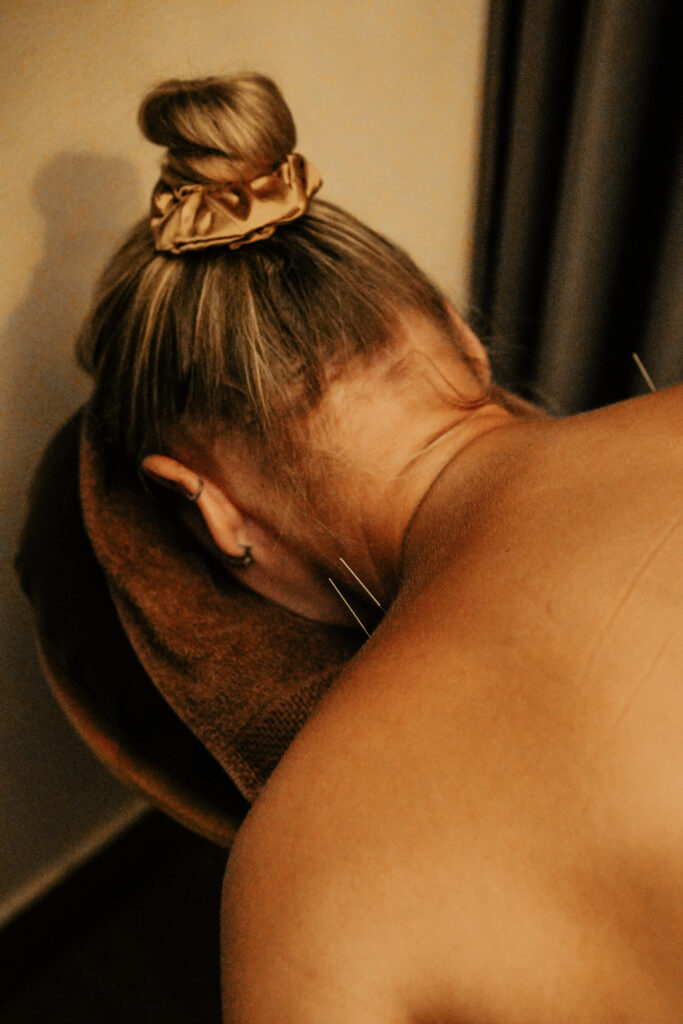
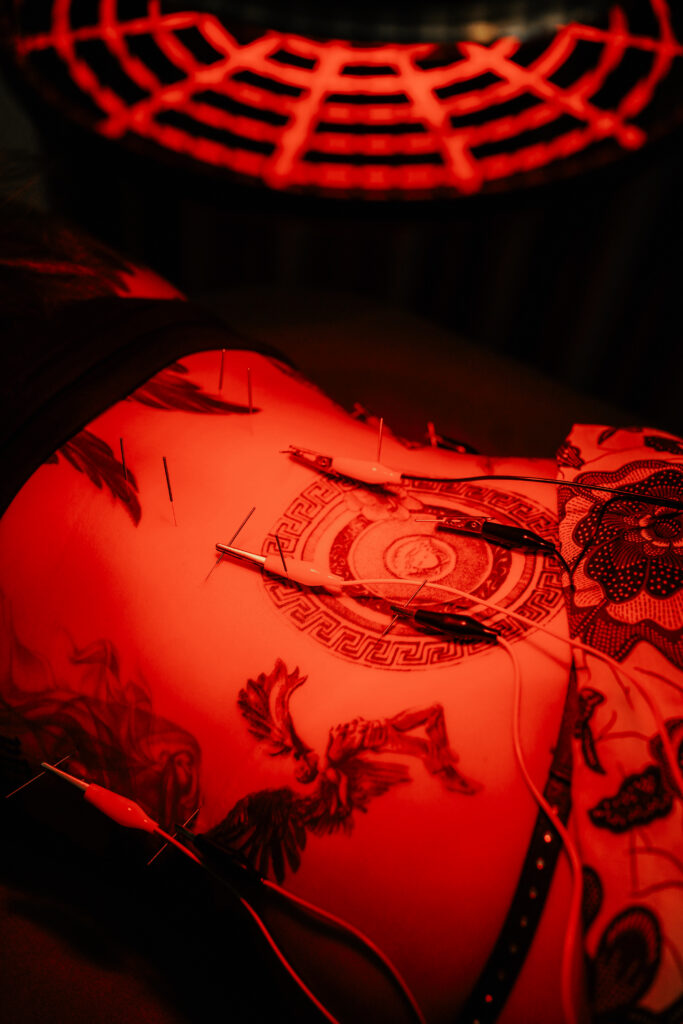
- Acupuncture: BL23, GV4, KD3, SP6, BL32 to tonify Kidney Qi and Blood, relieve lumbar pain.
- Moxibustion: GV4, BL23, and CV4 to warm the Kidneys and dispel Cold.
- Cupping or Gua Sha: along the Bladder channel in cases of Qi and Blood stagnation.
Conclusion
Postpartum low back pain is more than physical strain—it reflects depletion of Kidney Qi, Blood, and Essence following pregnancy and childbirth. By nourishing the Kidneys, replenishing Blood, and addressing Dampness or Cold, TCM offers effective, holistic recovery. With the right balance of rest, diet, lifestyle adjustments, acupressure, acupuncture, and herbal therapy, women can rebuild strength, restore vitality, and prevent long-term low back issues.
Sources
- Maciocia, Giovanni. Obstetrics and Gynecology in Chinese Medicine. Elsevier, 1998. ISBN: 9780443048623
- Maciocia, Giovanni. The Practice of Chinese Medicine. Elsevier, 2005. ISBN: 9780443074905
- Deadman, Peter, Al-Khafaji, M., & Baker, K. A Manual of Acupuncture. Journal of Chinese Medicine Publications, 2007. ISBN: 0951054651
- Chen, John K., & Chen, Tina T. Chinese Medical Herbology and Pharmacology. Art of Medicine Press, 2004. ISBN: 9780974063504