Many people notice that their back feels particularly stiff or painful when they wake up in the morning. After moving around for a while, the discomfort gradually improves. In Traditional Chinese Medicine (TCM), this pattern often indicates circulation issues of Qi and Blood during rest, combined with underlying deficiencies or Damp accumulation in the body. During sleep, the body’s movement slows, and if circulation is already weak, stiffness and pain may become more noticeable upon waking.
Key Organ Systems Involved:
- Kidney (Shen): The Kidneys govern bones and support the lumbar region. Weak Kidney energy can lead to chronic lower back soreness, especially noticeable after long periods of rest.
- Bladder (Pangguang) Meridian: Runs along the spine and back. Poor circulation along this channel may cause morning stiffness.
- Spleen (Pi): Responsible for transforming fluids. Weak Spleen function can lead to Damp accumulation, which causes heaviness and stiffness in the body.
Common TCM Patterns for Morning Back Pain:
- Damp Accumulation: Heavy, stiff feeling in the body upon waking that improves after movement.
- Kidney Deficiency: Chronic dull lower back pain with weakness, fatigue, or sensitivity to cold.
- Qi and Blood Stagnation: Stiffness and pain due to poor circulation during long periods of inactivity.
Treatment Principles in TCM:
- Improve circulation of Qi and Blood in the back.
- Strengthen Kidney energy to support the spine.
- Transform Dampness and promote fluid metabolism.
- Encourage gentle movement to restore energy flow.
Diet and Lifestyle Tips (TCM-Based):
- Begin the day with gentle stretching or light movement to stimulate circulation.
- Avoid cold and damp environments, especially while sleeping.
- Support Kidney energy with foods such as black beans, walnuts, bone broth, and sesame seeds.
- Reduce excessive cold drinks and raw foods that weaken digestion.
- Maintain a supportive mattress and proper sleeping posture.
Daily Acupressure Points:
- BL23 (Shenshu): Located on the lower back near the second lumbar vertebra. Strengthens Kidney energy and supports lumbar stability.
- BL40 (Weizhong): Located behind the knee. Helps relieve lower back pain and improves circulation along the Bladder channel.
- KD3 (Taixi): Located near the inner ankle. Tonifies Kidney Qi and supports spinal health.
- ST36 (Zusanli): Located below the knee. Strengthens Qi and improves overall energy circulation.
Massage each point for 1–2 minutes daily to encourage circulation and reduce stiffness.
TCM Treatment Recommendations:
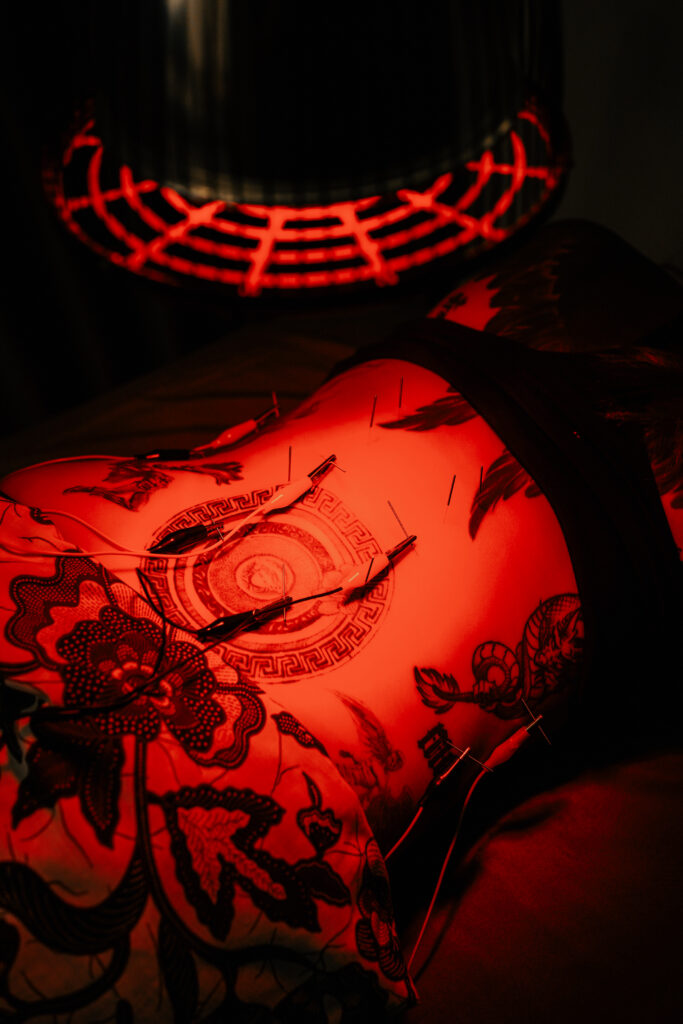
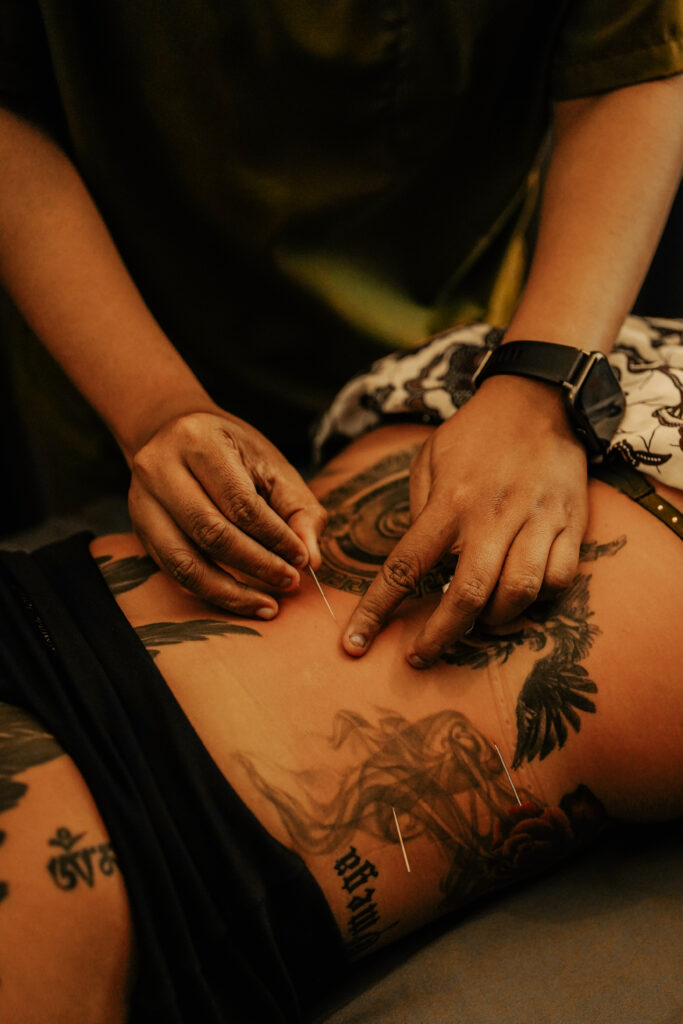
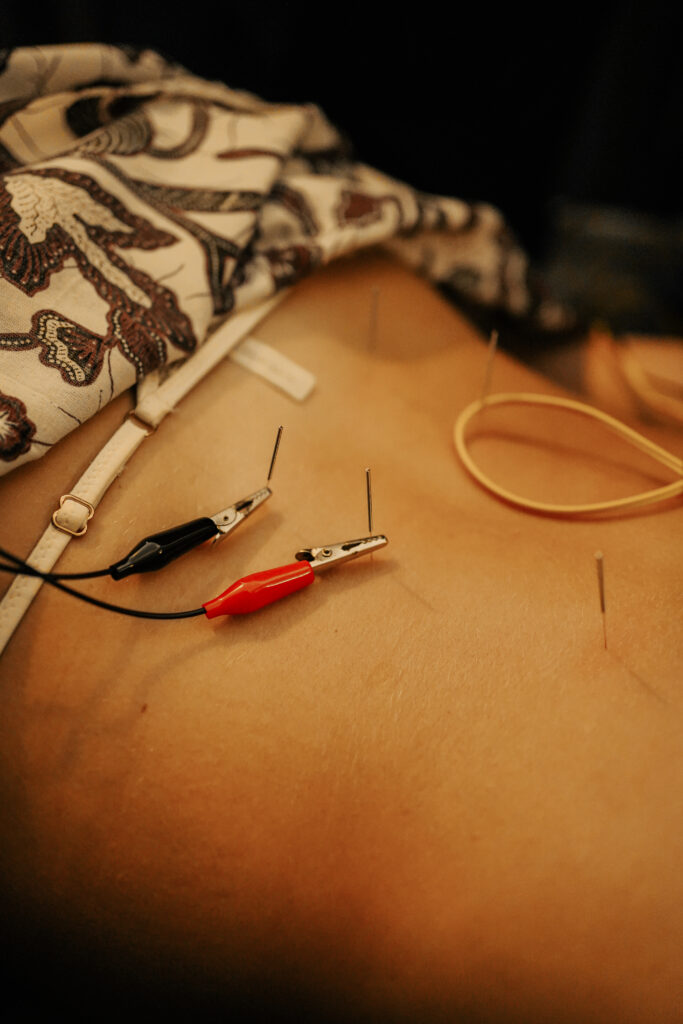
- Acupuncture: Focus on Kidney and Bladder meridians to strengthen the lumbar region.
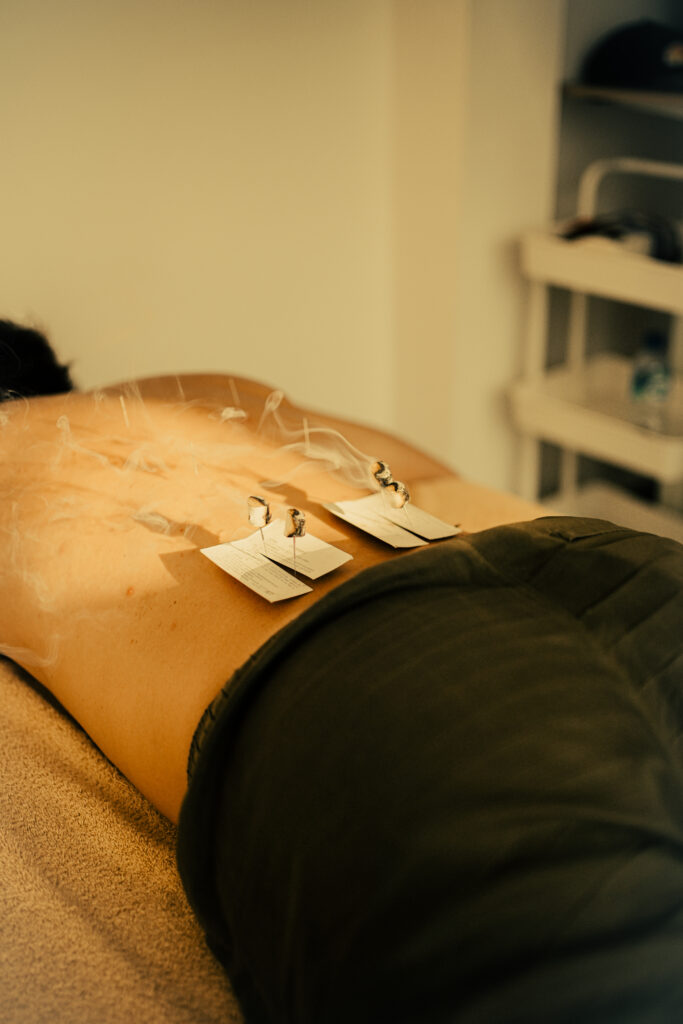
- Moxibustion: Helpful for warming the lower back and strengthening Kidney Yang.
- Cupping therapy: Improves circulation in the back muscles and reduces stagnation.
- Herbal formulas:
- Du Huo Ji Sheng Tang for chronic lower back pain.
- Jin Gui Shen Qi Wan when Kidney Yang deficiency is present.
Conclusion:
Morning back stiffness often reflects reduced circulation during rest combined with underlying imbalances such as Damp accumulation or Kidney deficiency. By supporting circulation, strengthening the Kidneys, and maintaining regular movement, it is possible to reduce morning stiffness and improve long-term back health.
Sources:
- Maciocia, Giovanni. The Foundations of Chinese Medicine. Elsevier.
- Deadman, Peter. A Manual of Acupuncture.
- Wiseman, Nigel. Fundamentals of Chinese Medicine.