Understanding the Issue In Traditional Chinese Medicine (TCM), when a person complains of pain that moves from one area to another such as back pain that shifts locations or joint pain that comes and goes it is often associated with a Wind invasion pattern. Unlike structural injuries, this type of pain is linked to pathogenic factors disturbing the meridians and circulation of Qi and Blood.
Key Organ Systems Involved
- Liver: Responsible for the smooth flow of Qi. If Liver Qi is obstructed, Wind can enter the channels more easily.
- Spleen: A weakened Spleen creates internal Dampness, which can combine with Wind and worsen pain.
Common TCM Patterns for Moving Pain
- Wind-Cold Invasion: Sudden onset, pain that moves from place to place, worsens with cold weather, relieved by warmth.
- Wind-Damp Invasion: Heavy sensation in the body, pain that shifts locations, often occurs in humid environments.
- Liver Qi Stagnation: Emotional stress may create Qi stagnation that allows external Wind to affect the meridians.
Treatment Principles in TCM
- Expel Wind
- Warm the channels
- Move Qi and Blood
- Strengthen the Wei Qi (defensive Qi)
Diet and Lifestyle Tips (TCM-Based)
- Avoid cold, raw, and greasy foods.
Include warming foods like ginger, garlic, cinnamon, and cooked vegetables. - Protect your body from wind exposure (e.g., avoid sitting under fans, keep your neck and back covered).
- Include moderate movement like walking or tai chi to keep Qi flowing.
Daily Acupressure for Moving Pain Relief
- Fengchi (GB20): Located at the base of the skull, in the depression between the sternocleidomastoid and trapezius muscles. Helps expel Wind and relieve neck and head tension.
- Hegu (LI4): Located between the thumb and index finger. Moves Qi, expels Wind.
- Taichong (LV3): On the top of the foot, in the depression between the first and second toes. Helps soothe Liver Qi stagnation.
Gently press each point for 1–2 minutes while breathing deeply.
TCM Treatment Recommendation
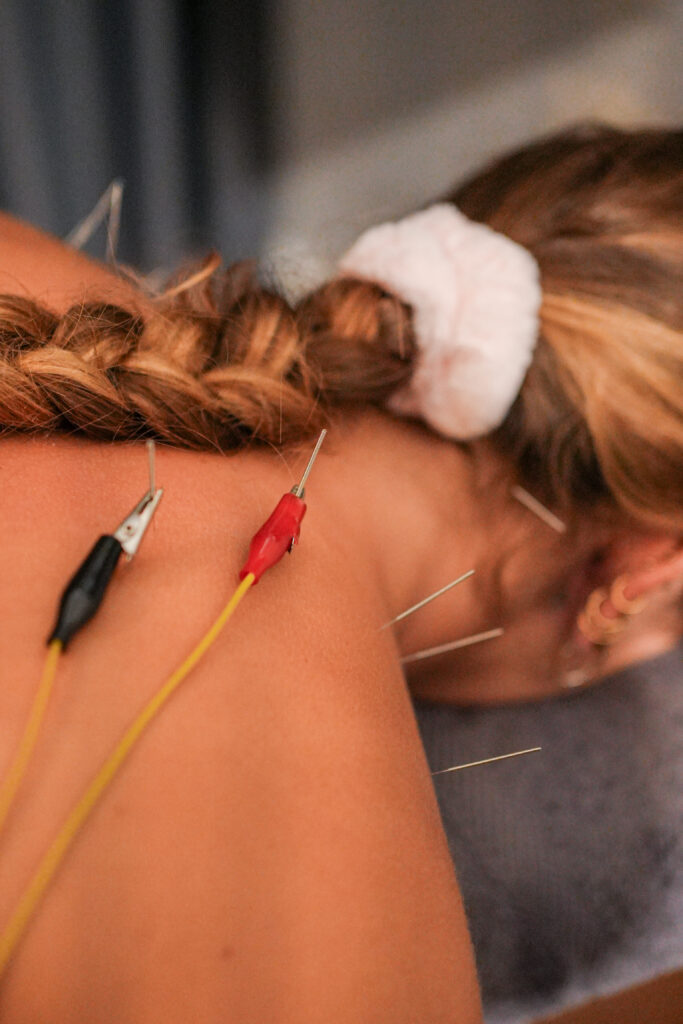
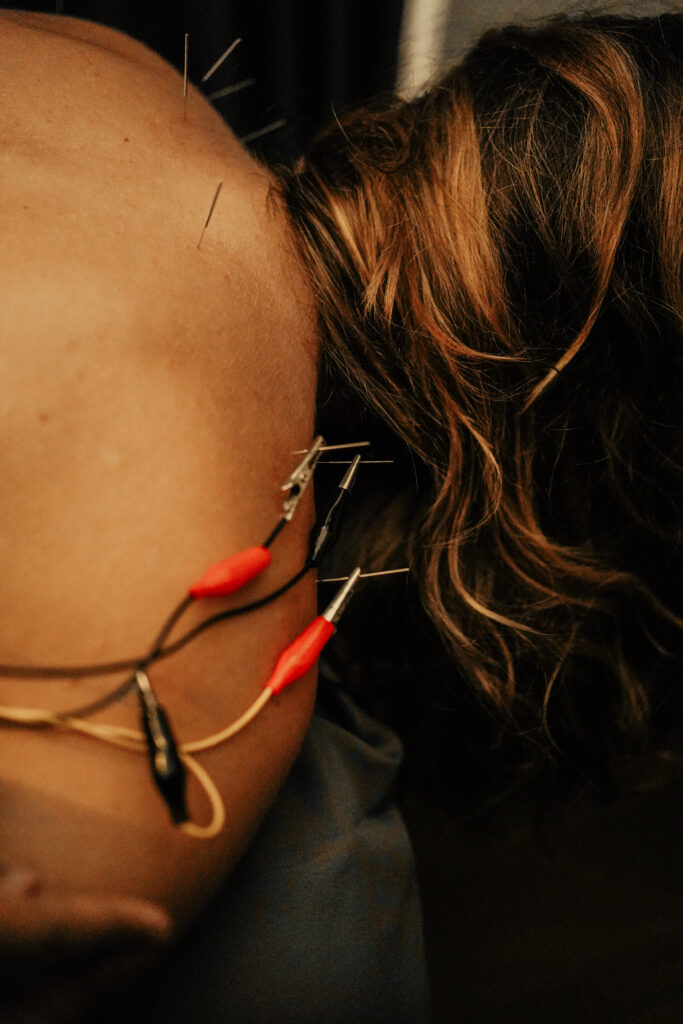
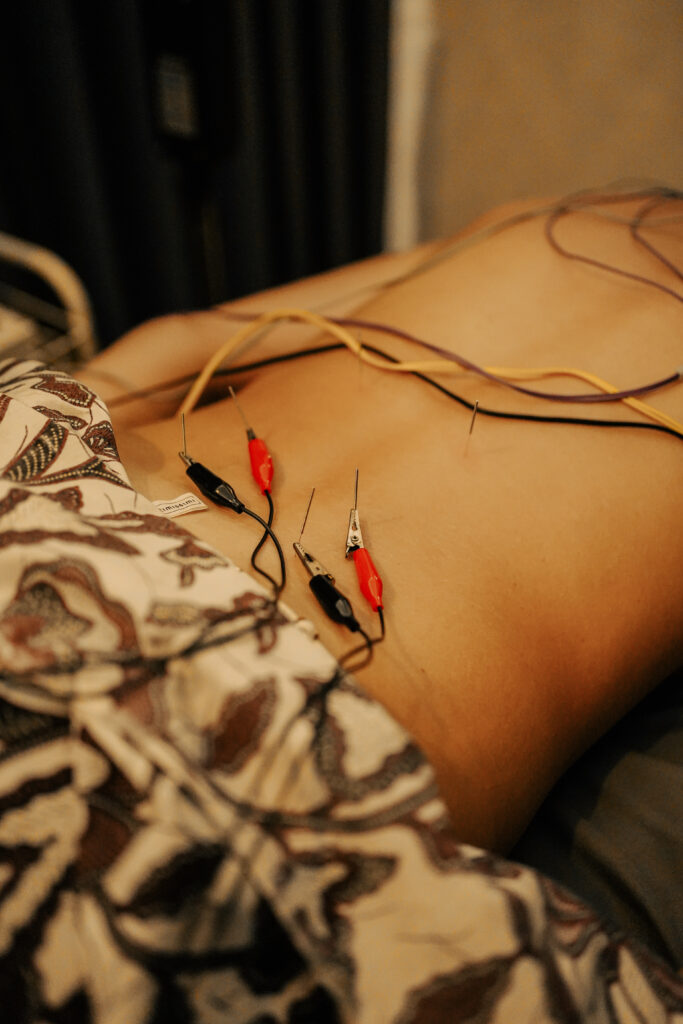
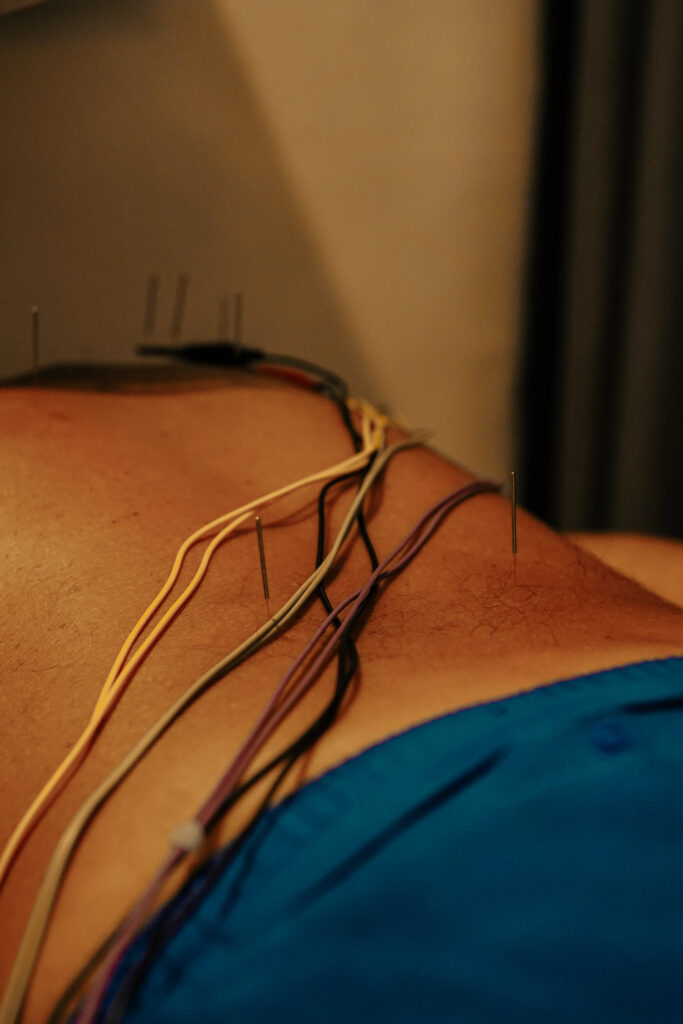
- Acupuncture: Targeting points that expel Wind, regulate Qi, and relieve pain.
- Cupping Therapy: Useful for drawing out Wind-Cold from the channels.
- Herbal Formulas: Du Huo Ji Sheng Tang is commonly used for Wind-Damp Bi syndrome.
Conclusion
If your pain moves around your body and seems unpredictable, it could be a Wind invasion pattern in TCM. Managing this requires not just relieving pain, but also supporting your body’s Qi and protecting it from external influences.
Sources
Maciocia, G. (2005). The Practice of Chinese Medicine.
Deadman, P., & Al-Khafaji, M. (2007). A Manual of Acupuncture.
Yin Yang House. (2023). Wind-Damp Bi Syndrome Overview.