In Traditional Chinese Medicine (TCM), not everyone experiences pain for the same reason. Two people may have the same neck or back pain, but the underlying cause can be very different. One key concept in TCM is body constitution, or the natural tendencies of a person’s body. Some body types are more prone to muscle stiffness, chronic tension, or recurring pain. Understanding your constitution helps identify why certain pains occur and how to prevent them.
Key Organ Systems Involved:
- Liver (Gan): The Liver controls tendons and ensures smooth Qi circulation. When Liver Qi becomes stagnant, muscles and tendons can feel tight or painful.
- Kidney (Shen): The Kidneys govern bones and the lower back. Weak Kidney energy often contributes to chronic lower back pain and weakness in the spine.
- Spleen (Pi): The Spleen produces Qi and Blood that nourish muscles. Weak Spleen function can lead to fatigue, muscle soreness, and slower recovery.
Common TCM Body Patterns Prone to Muscle Pain:
- Liver Qi Stagnation Type: People who experience stress easily or suppress emotions may develop tight shoulders, neck stiffness, or tension headaches.
- Kidney Deficiency Type: Individuals with chronic lower back weakness, fatigue, or sensitivity to cold often fall into this category. Pain tends to be dull and persistent.
- Damp Accumulation Type: This body type often feels heavy, sluggish, and prone to muscle stiffness that worsens in humid weather.
- Qi and Blood Deficiency Type: These individuals may feel general muscle soreness and fatigue because the muscles are not receiving enough nourishment.
Treatment Principles in TCM:
- Regulate Liver Qi to release muscle tension.
- Strengthen the Kidneys to support the spine and joints.
- Tonify Qi and Blood to nourish muscles and tendons.
- Remove Dampness to improve circulation and reduce heaviness.
Diet and Lifestyle Tips (TCM-Based):
- Eat warm, nourishing meals to support digestion and energy production.
- Include foods such as black sesame seeds, walnuts, leafy greens, eggs, and fish.
- Avoid excessive cold drinks, sugary foods, and greasy meals, which weaken the Spleen.
- Practice regular stretching, walking, or yoga to keep Qi flowing.
- Maintain a healthy sleep routine to support Liver and Kidney recovery.
Daily Acupressure Points:
- GB34 (Yanglingquan): Located below the outer knee. Influences tendons and helps relieve muscle stiffness.
- LV3 (Taichong): Located between the first and second toes. Moves Liver Qi and reduces tension.
- BL23 (Shenshu): Located on the lower back. Strengthens Kidney energy and supports lumbar health.
- ST36 (Zusanli): Located below the knee. Boosts overall Qi and supports muscle nourishment.
Massage each point for 1–2 minutes daily to encourage circulation and relaxation.
TCM Treatment Recommendations:
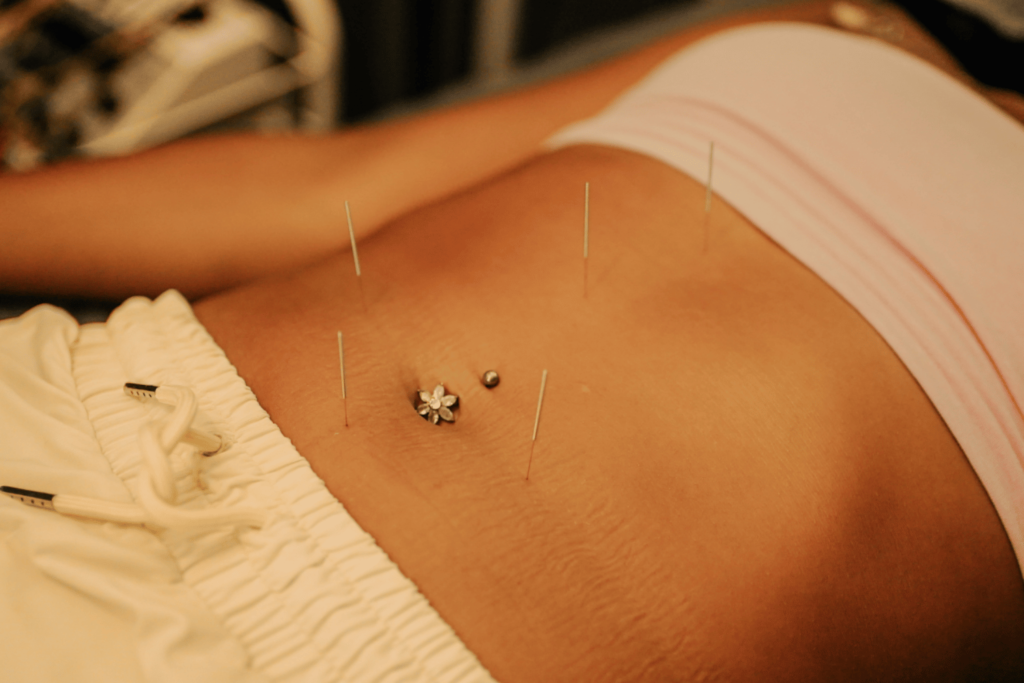
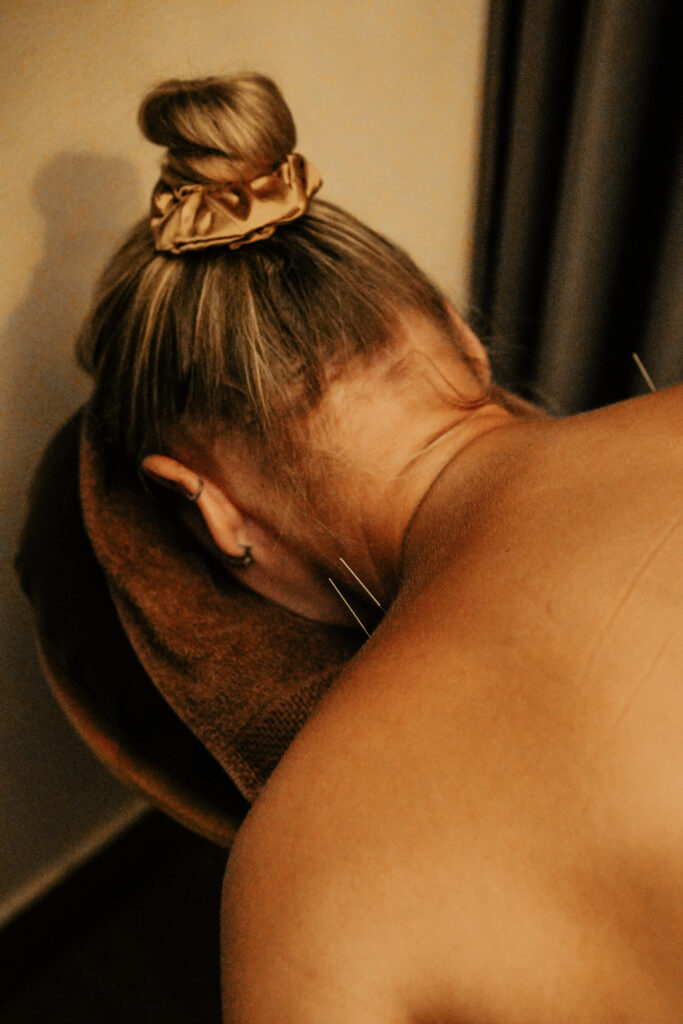
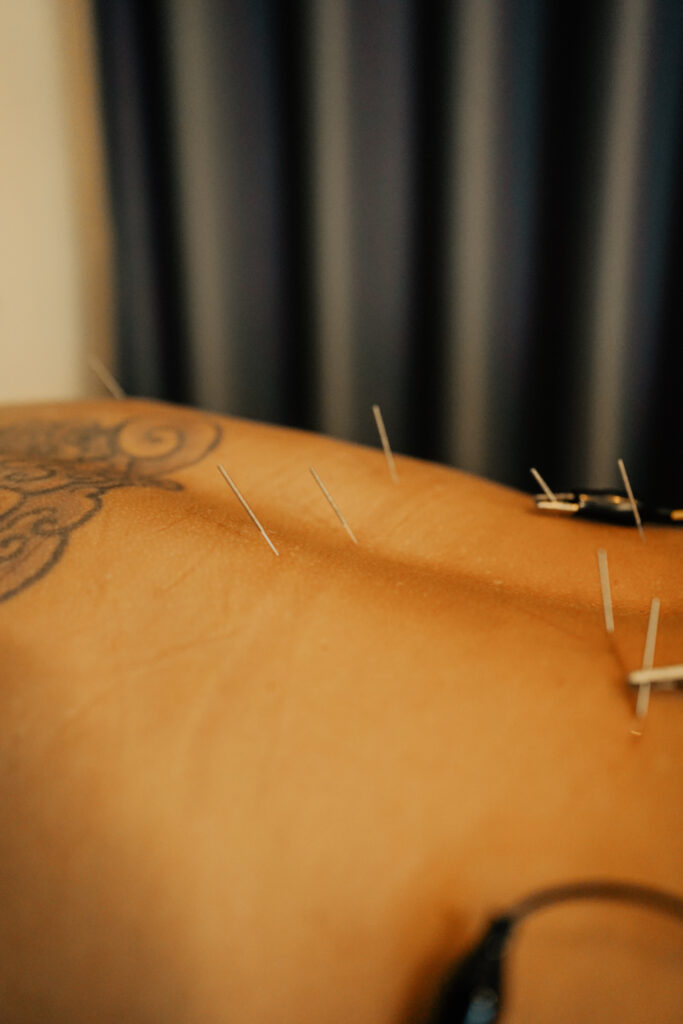
- Acupuncture: Tailored according to the individual’s body constitution.
- Cupping therapy: Often used on the back and shoulders to improve circulation.
- Herbal formulas:
- Du Huo Ji Sheng Tang for chronic joint and back pain.
- Xiao Yao San for stress-related muscle tension.
- Movement therapy: Regular gentle movement keeps Qi flowing and prevents stagnation.
Conclusion:
In TCM, muscle pain is rarely just a mechanical issue. It often reflects deeper patterns related to body constitution and organ balance. By understanding your body type and supporting the relevant organ systems, it becomes easier to prevent recurring pain and maintain long-term musculoskeletal health.
Sources:
- Maciocia, Giovanni. The Foundations of Chinese Medicine. Elsevier.
- Deadman, Peter. A Manual of Acupuncture.
- Wiseman, Nigel. Fundamentals of Chinese Medicine.