
In Traditional Chinese Medicine (TCM), emotions are seen as both a cause and a result of internal organ imbalance. Each organ system is linked to a particular emotion, and for the Liver (Gan), the dominant emotion is anger.
The Liver ensures the smooth flow of Qi throughout the body. When anger, frustration, or resentment becomes excessive, Liver Qi becomes stagnant or rises excessively. This disrupts not only emotional balance but also physical health—leading to symptoms such as headaches, muscle tension, digestive upset, menstrual irregularities, and high blood pressure.
Conversely, a weakened or imbalanced Liver system makes a person more prone to irritability, mood swings, and outbursts of anger. This demonstrates the mind–body connection emphasized in TCM.
Key Organ Systems Involved
- Liver (Gan) – Governs Qi flow and stores Blood. Imbalance leads to anger, irritability, PMS, headaches.
- Heart (Xin) – Houses the Shen (mind/spirit). Disturbed by excessive anger, causing restlessness and insomnia.
- Spleen (Pi) – Responsible for digestion. Often affected when Liver Qi stagnates, leading to bloating, diarrhea, or poor appetite.
- Kidney (Shen) – Provides foundational Yin and Yang. Chronic anger can deplete Kidney Yin, fueling excess Liver Yang.
Common TCM Patterns of Anger-Related Imbalances
- Liver Qi Stagnation
- Symptoms: irritability, mood swings, chest tightness, frequent sighing, PMS.
- Tongue: normal or slightly red sides.
- Pulse: wiry.
- Liver Yang Rising
- Symptoms: anger outbursts, red face, headaches, dizziness, tinnitus, high blood pressure.
- Tongue: red with little coat.
- Pulse: wiry and forceful.
- Liver Fire Blazing
- Symptoms: explosive anger, bitter taste in mouth, red eyes, migraines, constipation.
- Tongue: red with yellow coating.
- Pulse: rapid and wiry.
- Liver Qi Invading the Spleen/Stomach
- Symptoms: digestive upset triggered by stress or anger, abdominal distension, alternating constipation and diarrhea.
- Tongue: slightly red sides.
- Pulse: wiry.
Treatment Principles in TCM
- Soothe Liver Qi to regulate emotions and Qi flow.
- Subdue Liver Yang or Fire if rising.
- Harmonize Liver with Spleen and Stomach for digestive stability.
- Nourish Yin and Blood to calm irritability and restore balance.
- Anchor the Shen for emotional resilience.
Diet and Lifestyle Tips (TCM-Based)
Diet Tips
- To soothe Liver Qi: green leafy vegetables, peppermint, chrysanthemum tea, citrus peel.
- To clear Liver Heat: cucumber, celery, dandelion greens, mung beans.
- To nourish Yin and Blood: black beans, goji berries, spinach, eggs, bone broth.
- Avoid alcohol, spicy foods, greasy meals, and excessive caffeine, which aggravate Liver Fire.
Lifestyle Tips
- Practice deep breathing, Qigong, or Tai Chi to move Qi.
- Channel anger into creative outlets such as journaling, music, or art.
- Take breaks during stressful work to prevent emotional buildup.
- Prioritize sleep and rest to support Liver Blood.
- Spend time in nature—green is the Liver’s healing color.
Daily Acupressure for Liver–Anger Balance
- LV3 – Tai Chong (太冲)
- Location: On the dorsum of the foot, between the first and second metatarsals.
- Function: Moves Liver Qi, relieves irritability, calms anger.
- LI4 – He Gu (合谷)
- Location: Between thumb and index finger.
- Function: Promotes Qi circulation, relieves stress. (Avoid in pregnancy)
- GB20 – Feng Chi (風池)
- Location: Below the occiput, in the depression between SCM and trapezius muscles.
- Function: Calms rising Liver Yang, relieves headaches and dizziness.
- Yin Tang (印堂)
- Location: Between the eyebrows.
- Function: Calms Shen, reduces anxiety and restlessness.
- SP6 – San Yin Jiao (三陰交)
- Location: 3 cun above the medial malleolus, behind tibia.
- Function: Harmonizes Liver, Spleen, and Kidney; stabilizes emotions.
Technique: Press each point for 1–2 minutes, breathing deeply.
TCM Treatment Recommendations
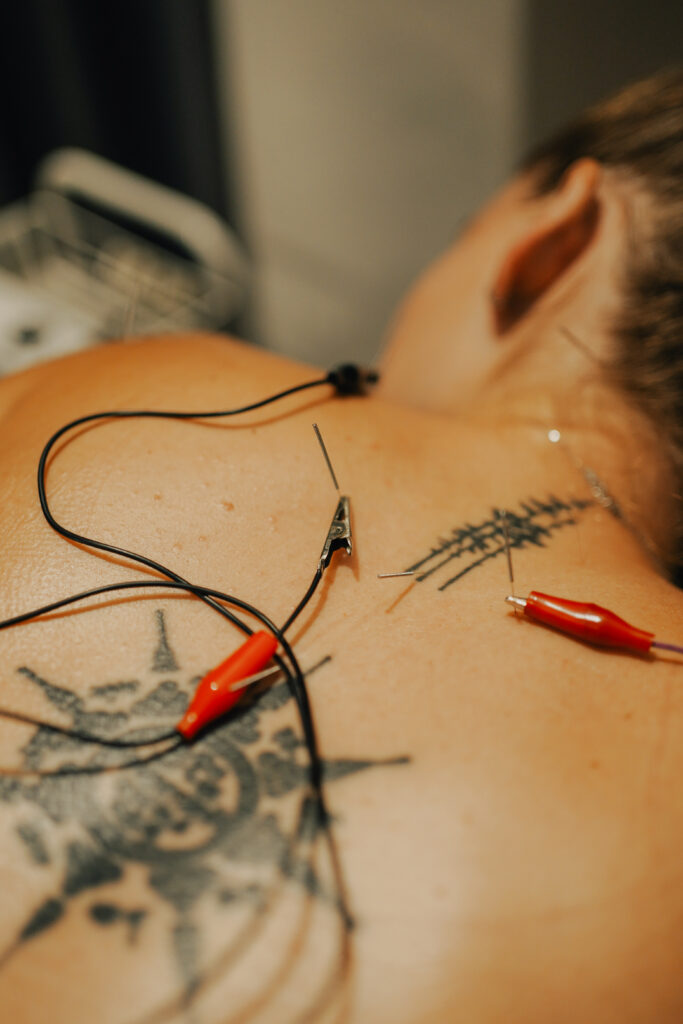
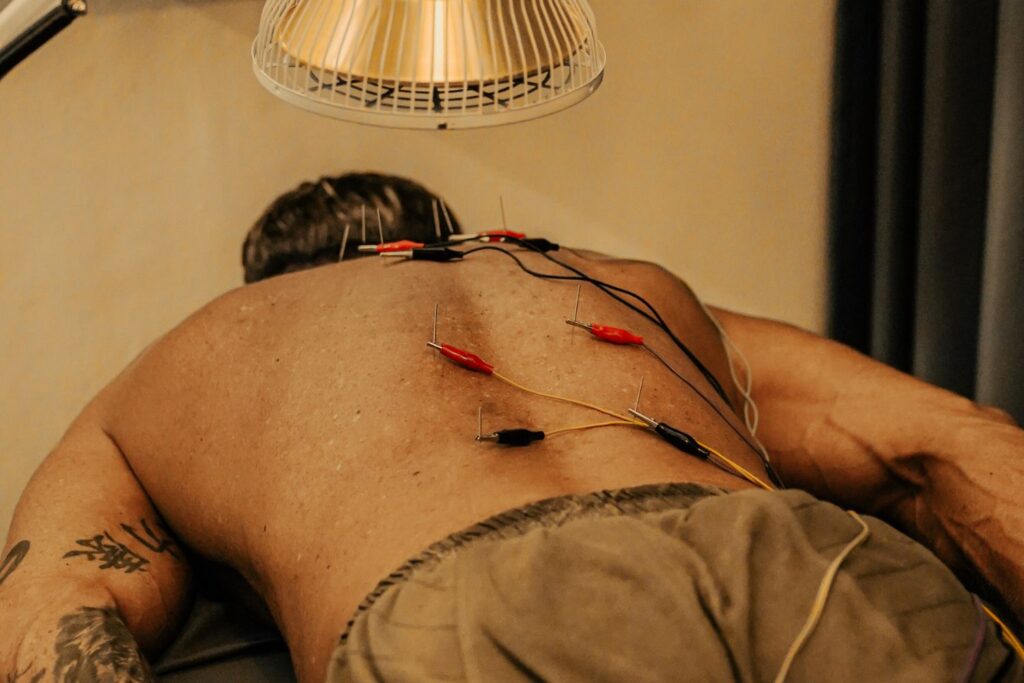
- Acupuncture: LV3, LI4, GB20, SP6, and LR14 (Front-Mu of Liver) for Qi regulation and calming.
- Cupping or Gua Sha: on the upper back and shoulders to release stagnation.
- Moxibustion: cautiously used if Cold-Damp complicates Liver Qi stagnation.
Conclusion
In TCM, anger is more than an emotion—it is both a cause and a symptom of Liver imbalance. When Liver Qi stagnates or rises excessively, emotional health suffers, and the whole body feels the effects, from digestion to sleep to cardiovascular health. By soothing Liver Qi, nourishing Yin and Blood, and regulating emotions through diet, acupressure, and TCM therapies, we can achieve a more balanced state of mind and body.
Sources
- Maciocia, Giovanni. The Practice of Chinese Medicine. Elsevier, 2005.
- Deadman, Peter et al. A Manual of Acupuncture. JCM Publications, 2007.
- Chen, John K. & Chen, Tina T. Chinese Medical Herbology and Pharmacology. Art of Medicine Press, 2004