

Sitting vs Standing: Which Hurts Your Back More in TCM?
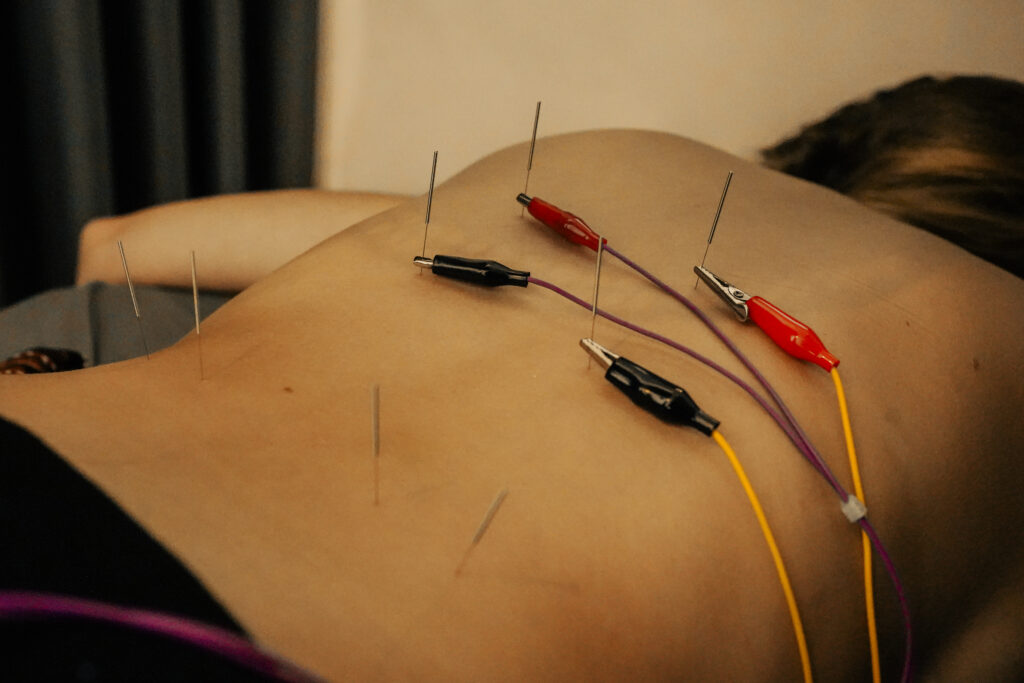
Back pain is one of the most common modern complaints, often linked to prolonged sitting or standing. From a Traditional Chinese Medicine (TCM) perspective, the back is closely tied to the Kidney (Shen), which governs the bones, spine, and lumbar region. Prolonged postures—whether sitting or standing—can disrupt the smooth flow of Qi and Blood in […]
Low Back Pain After Exercise: A TCM View on Overexertion
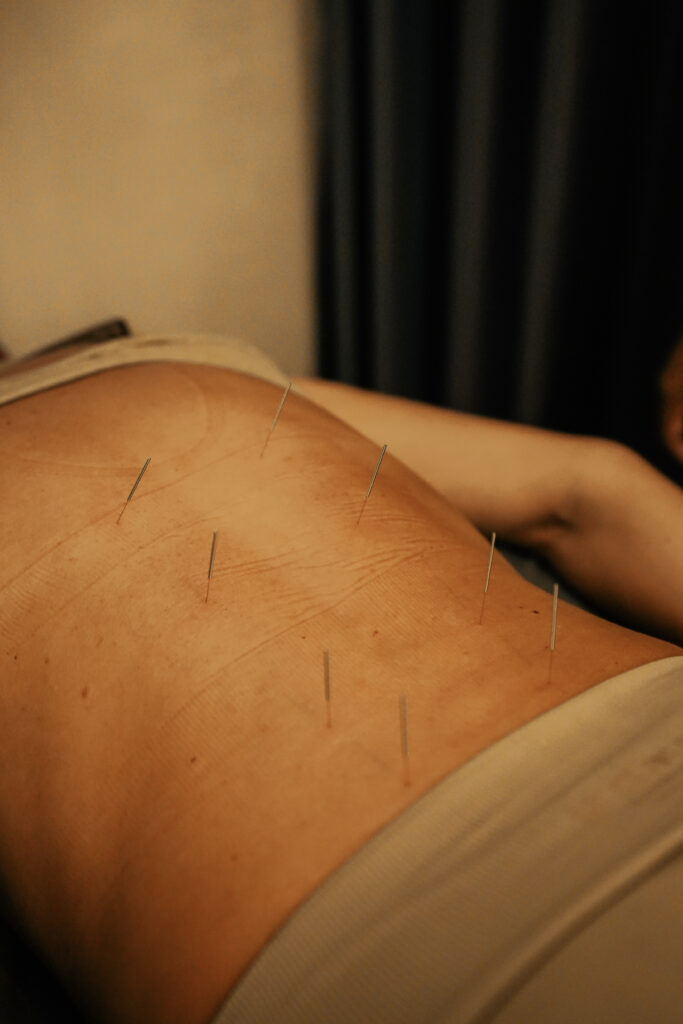
Understanding Low Back Pain After Exercise in TCM In Traditional Chinese Medicine (TCM), the low back is considered the “house of the Kidneys.” The Kidney (Shen) stores Essence (Jing) and governs bones, marrow, and the strength of the lumbar region. After intense or excessive exercise, low back pain can develop not just from mechanical strain […]
Which Organ Is Out of Balance? Quick Tongue Self-Check in TCM

In Traditional Chinese Medicine (TCM), the tongue is considered a mirror of the body’s internal state. While modern Western medicine might overlook the tongue beyond signs of dehydration or infection, TCM practitioners analyze its color, shape, coating, and moisture to assess the condition of the organ systems, Qi, Blood, and body fluids. Introduction: What Your […]
Top 5 Myths About Acupuncture Debunked
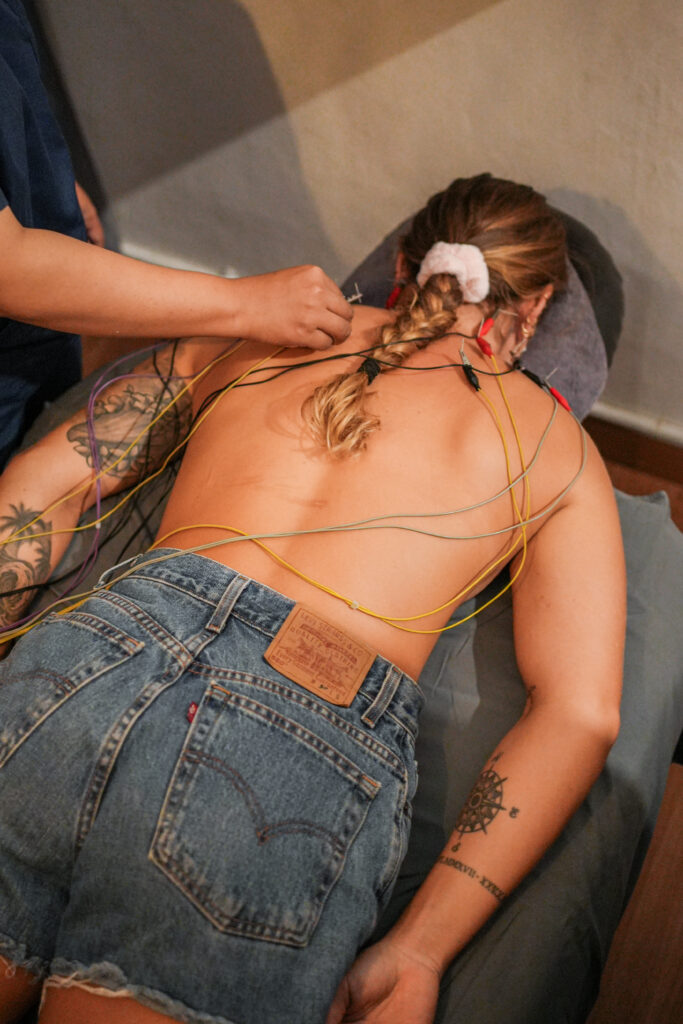
Acupuncture, a key component of Traditional Chinese Medicine (TCM), has been practiced for thousands of years. But despite its long history and growing popularity worldwide, many myths still cloud people’s understanding of what acupuncture truly is and how it works. These misconceptions can prevent people from experiencing the real benefits of this holistic therapy. From […]
Simple TCM Diet Shifts for Energy and Digestion

In Traditional Chinese Medicine (TCM), food isn’t just about calories or nutrients it’s medicine. Every ingredient has energetic qualities (warm, cold, neutral), a flavor that corresponds to organ systems (sweet, bitter, sour, etc.), and a directional effect (ascending, descending, etc.). From a TCM perspective, many cases of low energy and poor digestion stem from everyday […]
Spring Liver Cleanse: Fact or Fiction? A TCM Perspective
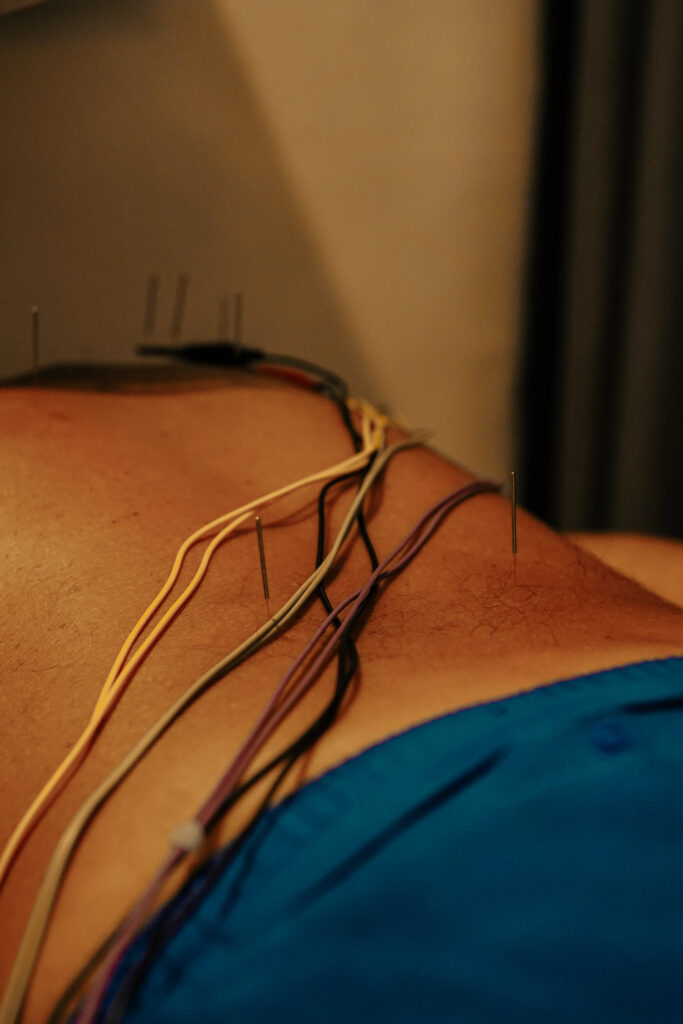
Every spring, wellness trends revive the idea of doing a “liver cleanse” — promising detoxification, clarity, and a fresh start. But does Traditional Chinese Medicine (TCM) support this practice? The answer: yes and no. In TCM, spring is indeed associated with the Liver system, as it’s the organ connected to the Wood element, which governs […]
How TCM Views PCOS and Irregular Periods

Polycystic Ovary Syndrome (PCOS) is one of the most common endocrine disorders in women of reproductive age. In Western medicine, it’s associated with hormonal imbalance, insulin resistance, and irregular ovulation. But from a Traditional Chinese Medicine (TCM) perspective, PCOS is seen through the lens of internal disharmony often involving stagnation, deficiency, or phlegm accumulation that […]
Foods to Support Women’s Hormonal Balance: A TCM Perspective

In Traditional Chinese Medicine (TCM), hormonal health is not viewed through the lens of estrogen, progesterone, or cortisol but rather as the harmony between Yin and Yang, the smooth flow of Qi, and the nourishment of Blood and Essence (Jing). Hormonal imbalances such as irregular cycles, PMS, acne, mood swings, fertility issues, or perimenopausal symptoms […]
Postpartum Care: Strengthening the Kidneys Naturally in TCM

In Traditional Chinese Medicine (TCM), childbirth is seen as a profound transition that significantly depletes a woman’s energy—particularly her Kidney Essence (Jing) and Blood. While modern postpartum care often focuses on nutrition and rest, TCM adds a deeper perspective: the first few weeks after delivery are critical for nourishing and rebuilding the Kidneys. Why the […]
Low Back Pain During Periods: Kidney and Liver Patterns in TCM
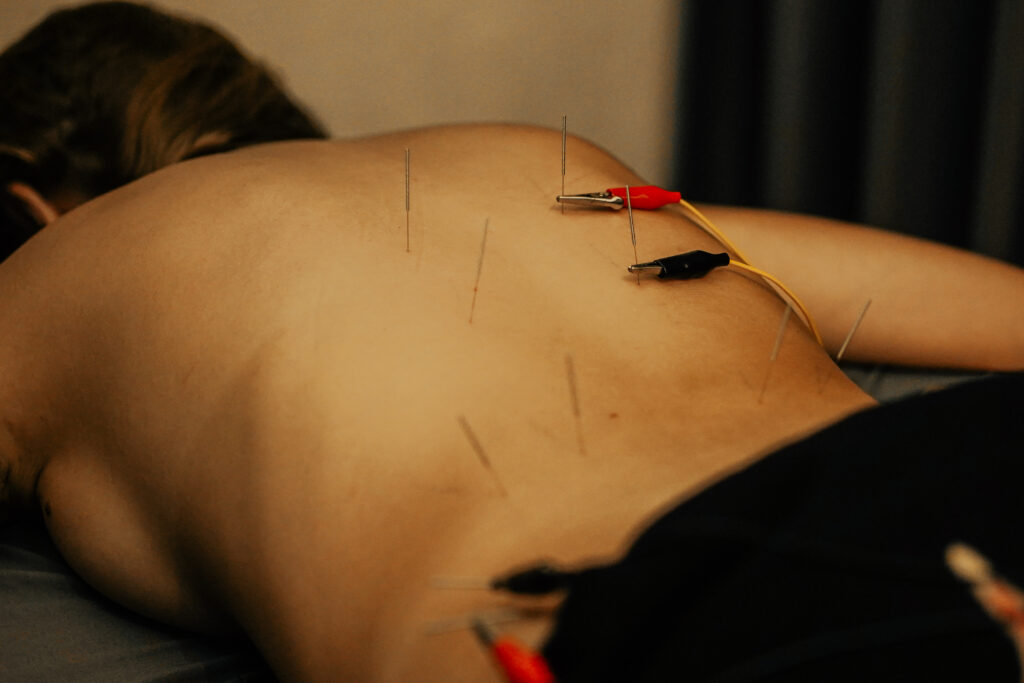
For many women, low back pain is a regular companion during their menstrual cycle. While it’s easy to dismiss it as “normal,” Traditional Chinese Medicine (TCM) sees it differently. In TCM, menstrual-related low back pain is more than a hormonal symptom—it reflects deeper imbalances in the Kidney and Liver systems. Rather than treating the pain […]