
Back pain that worsens in cold or damp weather is more than just a seasonal nuisance it’s a common clinical pattern in Traditional Chinese Medicine (TCM), often related to Cold-Damp invasion and Kidney deficiency. TCM sees the body as deeply connected to the environment, and when external Cold or Dampness invades a weakened body, the meridians become obstructed, leading to stiffness, soreness, and chronic pain.
This article explains the TCM perspective on cold-weather-induced back pain and how to address it holistically.
Key Organ Systems Involved
1. Kidneys (Shen):
Govern bones and the lower back, store Jing (Essence). Kidney Yang deficiency reduces internal warmth.
2. Urinary Bladder (Pangguang):
Bladder meridian runs through the back, often obstructed by Cold-Damp.
3. Liver (Gan):
Regulates smooth flow of Qi. Stagnation may contribute to lower back pain.
Common TCM Patterns for Cold-Induced Back Pain
1. Cold-Damp Invasion:
Dull, heavy pain, worse in cold/damp weather, better with warmth. Tongue: Pale with white coating. Pulse: Deep, slow.
2. Kidney Yang Deficiency:
Chronic dull pain, fatigue, cold limbs. Tongue: Pale, swollen. Pulse: Deep, weak.
3. Qi and Blood Stagnation:
Sharp, stabbing pain. Tongue: Dark or purple. Pulse: Wiry or choppy.
Treatment Principles in TCM
– Warm the meridians and disperse Cold
– Expel Dampness
– Strengthen Kidney Yang
– Promote Qi and Blood circulation
– Alleviate pain and stiffness
Diet and Lifestyle Tips (TCM-Based)
Do:
– Eat warm, cooked meals: soups, stews, ginger, cinnamon, bone broth
– Stay warm, especially lower back
– Move gently: walk, stretch, do Qigong
– Sleep early (before 11 p.m.)
Avoid:
– Raw/cold foods and iced drinks
– Sitting on cold surfaces
– Cold wind or drafts on lower back
Daily Acupressure for Cold-Weather Back Pain
1. BL23 (Shenshu – Kidney Shu Point)
- Location: 1.5 cun lateral to the lower border of the L2 vertebra
- Function: Strengthens the Kidneys, warms the lower back
2. DU4 (Mingmen – Gate of Life)
- Location: On the midline, below the L2 vertebra
- Function: Tonifies Kidney Yang, warms the channels
3. BL40 (Weizhong – Middle of the Crook)
- Location: Center of the back of the knee crease
- Function: Clears Cold from the lower back, promotes circulation
Optional: Warm the area first with a heat pack or apply light moxa therapy if guided by a TCM practitioner.
TCM Treatment Recommendation
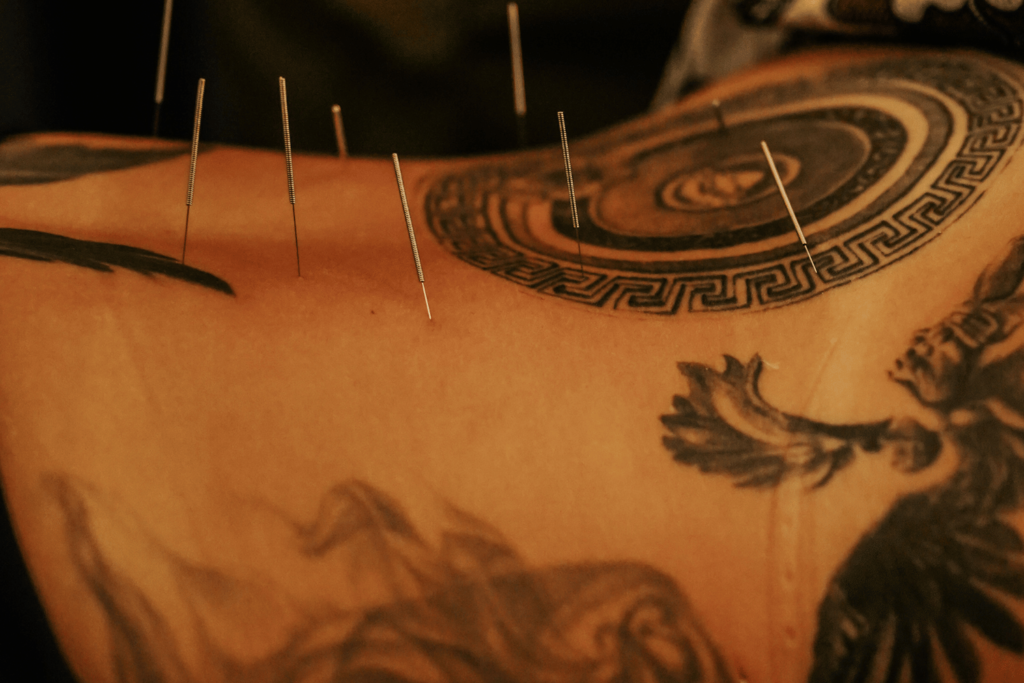
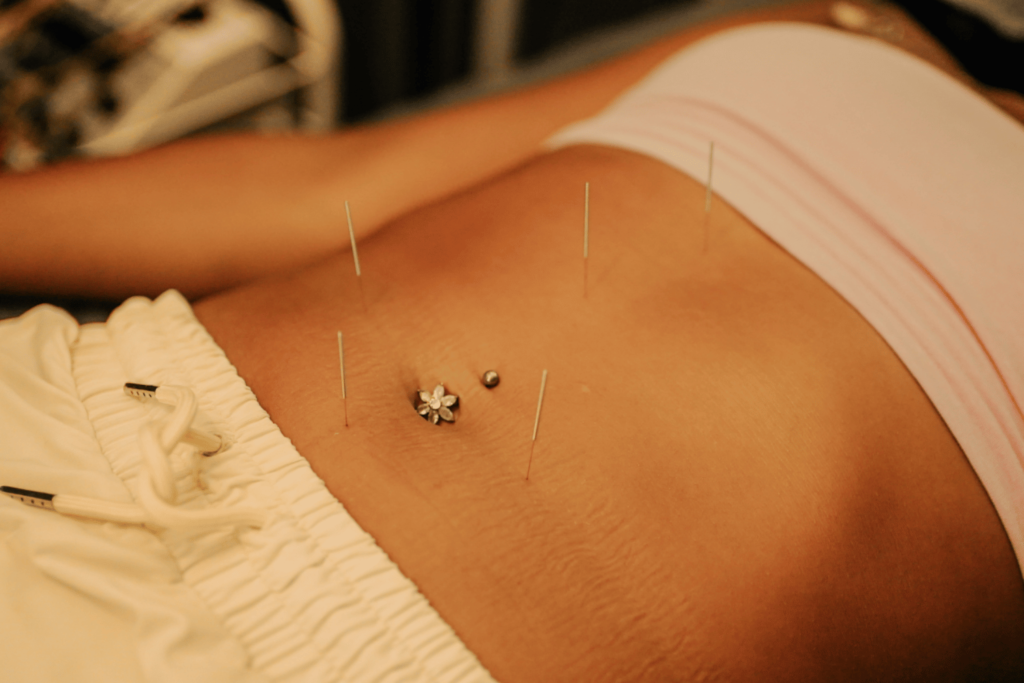
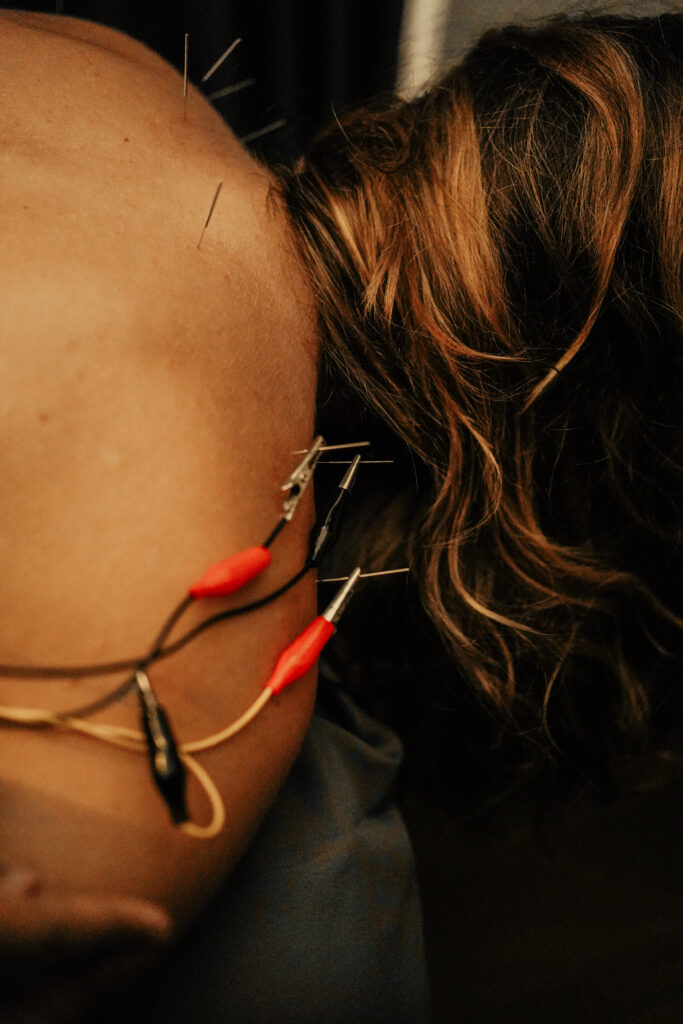
– Acupuncture: Points like BL23, DU4, BL40
– Moxibustion: For Cold-Damp and Yang deficiency
– Cupping: To move stagnation and clear Cold
– Lifestyle guidance to support internal warmth and Kidney energy
Conclusion
Cold-related back pain reflects internal imbalances like Cold-Damp invasion or Kidney Yang deficiency.
TCM offers a root-focused approach to restore warmth, relieve pain, and strengthen your back naturally.
You don’t have to suffer every time the weather shifts — with acupuncture, diet, and daily care, relief is within reach.
Sources
1. Maciocia, G. The Practice of Chinese Medicine. Elsevier, 2008
2. Deadman, P. A Manual of Acupuncture. JCM Publications
3. WHO. Acupuncture: Review and Analysis of Reports on Controlled Clinical Trials. 2003
4. Chen Z. et al. Acupuncture + thunder-fire moxibustion for Cold-Damp LBP. Zhongguo Zhen Jiu. 2025;45(3):312–316. https://pubmed.ncbi.nlm.nih.gov/40097212
5. NIH NCCIH: https://www.nccih.nih.gov