
In Traditional Chinese Medicine (TCM), sleep is not just a passive state—it’s a time when Qi (vital energy) and Blood (Xue) return to the internal organs to nourish and restore the body. Good sleep posture, especially head and neck alignment supported by the right pillow, is essential to allow the smooth flow of Qi and Blood through the meridians, particularly those in the neck, back, and brain.
Poor pillow posture or sleeping position may disrupt Qi and Blood flow, causing symptoms such as neck stiffness, headaches, insomnia, fatigue, and even emotional imbalance. In TCM, these issues are often linked to Liver, Heart, and Kidney imbalances, and may be exacerbated by external pathogenic factors like Wind invasion if the neck is left exposed during sleep.
Key Organ Systems Involved
- Liver (Gan)
- Regulates the smooth flow of Qi, particularly during rest. Poor sleep posture can cause Liver Qi to stagnate, resulting in neck and shoulder tension.
- Heart (Xin)
- Houses the Shen (mind/spirit). Improper posture can affect Heart Qi, disturbing the Shen and leading to insomnia or dream-disturbed sleep.
- Kidney (Shen)
- Stores the body’s essence (Jing) and governs the brain (“Sea of Marrow”). Pillow too high or too low may weaken Kidney support to the brain, leading to dizziness, fatigue, or poor concentration.
- Bladder and Gallbladder Channels
- These meridians pass through the neck and upper back. Poor alignment can obstruct their flow, leading to stiffness or pain.
Common TCM Patterns Related to Poor Pillow Posture
- Liver Qi Stagnation
- Symptoms: neck tension, frustration, irritability, headaches, tightness in shoulders
- Tongue: slightly red sides
- Pulse: wiry
- Wind-Cold Invasion (Stiff Neck Syndrome)
- Symptoms: sudden neck stiffness after sleeping with an open window/fan or no cover, difficulty turning head
- Tongue: pale with thin white coat
- Pulse: floating and tight
- Kidney Essence Deficiency
- Symptoms: chronic fatigue, poor memory, dizziness upon waking, neck soreness
- Tongue: pale with thin coat
- Pulse: deep and weak
- Heart and Spleen Qi Deficiency
- Symptoms: light sleep, waking easily, dream-disturbed sleep, tired on waking
- Tongue: pale with teeth marks
- Pulse: thin and weak
Treatment Principles in TCM
- Soothe Liver Qi to reduce tension and promote deep relaxation
- Expel Wind and Cold from the meridians in acute stiff neck cases
- Tonify Heart, Spleen, and Kidney Qi to nourish the Shen and support the brain
- Harmonize meridian flow in the neck and head through posture correction and acupoint stimulation
- Promote Blood circulation to relax muscles and relieve pain
Diet and Lifestyle Tips (TCM-Based)
Diet
- For Liver Qi stagnation: include bitter greens, ginger, mint, and citrus peel (chen pi)
- For Wind-Cold: consume warming foods like cinnamon, garlic, scallions, and soups; avoid raw/cold food
- For Kidney deficiency: black sesame, walnuts, bone broth, goji berries, seaweed
- For Heart and Spleen Qi deficiency: dates, oats, longan fruit, cooked sweet rice, avoid stimulants like coffee
Lifestyle
- Choose a medium-firm pillow that keeps the neck aligned with the spine
- Avoid pillows that are too high or too flat, as these disturb the Bladder and Gallbladder meridians
- Keep the neck covered and warm during sleep, especially if exposed to wind or air conditioning
- Practice consistent sleep schedules, avoid late-night screen time, and use calming pre-bed routines such as gentle stretches or breathing exercises
- GB20 – Feng Chi (風池)
- Location: below the occiput, in the depression between sternocleidomastoid and trapezius muscles
- Function: expels Wind, clears the head, relaxes neck tension
- Technique: press gently for 1–2 minutes on both sides
- An Mian (安眠)
- Location: behind the ear, midway between GB20 and SJ17
- Function: calms the Shen, helps with insomnia and anxiety
- HT7 – Shen Men (神門)
- Location: on the wrist crease, on the radial side of the flexor carpi ulnaris tendon
- Function: calms the mind, nourishes Heart Blood
- KD6 – Zhao Hai (照海)
- Location: 1 cun below the tip of the medial malleolus
- Function: nourishes Kidney Yin, soothes dryness and supports restful sleep
- BL10 – Tian Zhu (天柱)
- Location: 1.3 cun lateral to the midline at the base of the skull
- Function: relaxes neck muscles, promotes circulation
Daily Acupressure for Sleep-Related Neck Discomfort
TCM Treatment Recommendations
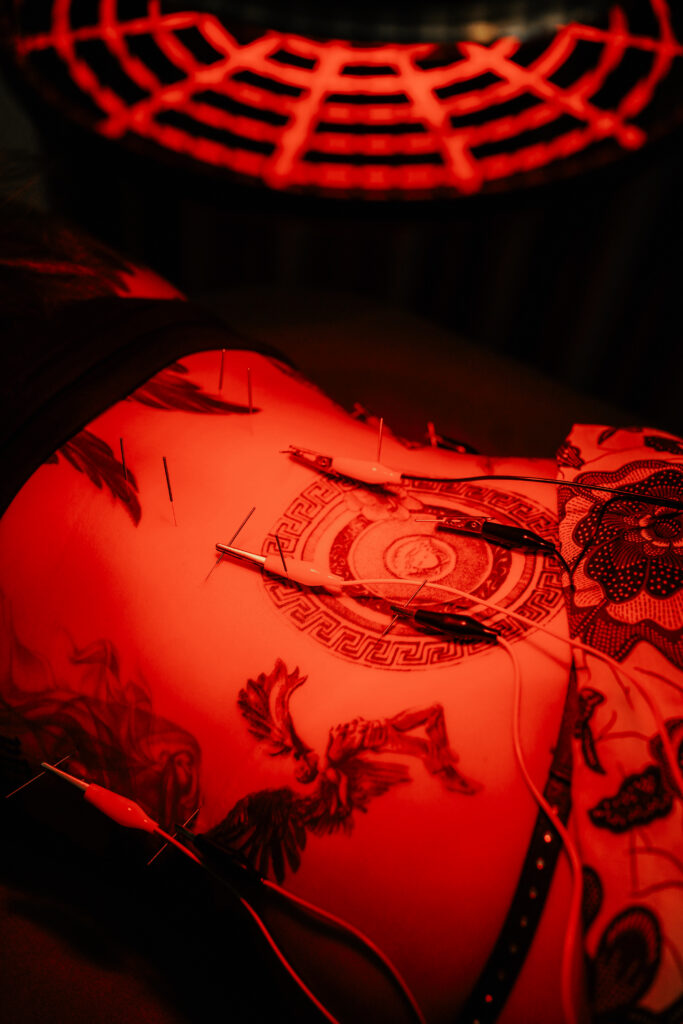
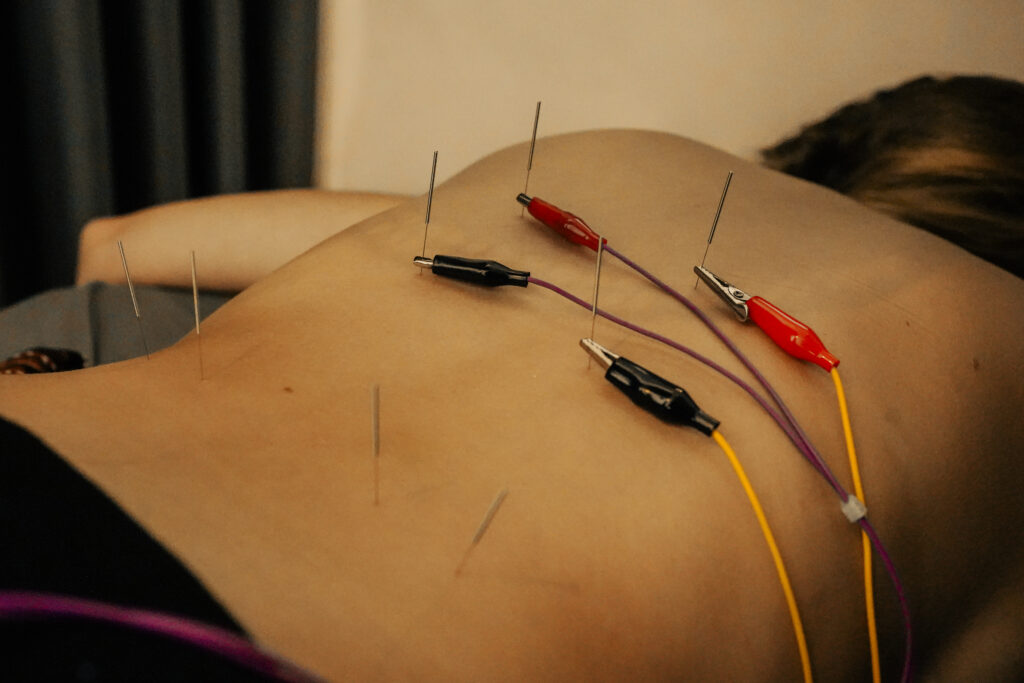
- Acupuncture therapy for chronic or acute neck stiffness and insomnia: use points like GB20, HT7, KD6, BL10, An Mian
- Cupping therapy on the upper back and neck to release muscle tightness from bad pillow posture
Conclusion
Poor sleeping posture and incorrect pillow height may seem minor, but in TCM, they can disrupt the free flow of Qi and Blood, contributing to neck stiffness, poor sleep, fatigue, and emotional imbalance. By aligning pillow posture with TCM principles—protecting the neck, supporting organ systems, and promoting meridian harmony—sleep can become truly restorative. When issues arise, daily acupressure, dietary changes, and personalized TCM therapy offer powerful solutions for restoring balance and improving sleep quality.
Sources
- Maciocia, Giovanni. The Practice of Chinese Medicine: The Treatment of Diseases with Acupuncture and Chinese Herbs. Elsevier, 2005. ISBN: 9780443074905
- Deadman, Peter, Al-Khafaji, M., & Baker, K. A Manual of Acupuncture. Journal of Chinese Medicine Publications, 2007. ISBN: 0951054651
- Chen, John K. & Chen, Tina T. Chinese Medical Herbology and Pharmacology. Art of Medicine Press, 2004. ISBN: 9780974063504