Acupuncture, a key component of Traditional Chinese Medicine (TCM), has been practiced for thousands of years. But despite its long history and growing popularity worldwide, many myths still cloud people’s understanding of what acupuncture truly is and how it works. These misconceptions can prevent people from experiencing the real benefits of this holistic therapy.
From the TCM perspective, acupuncture isn’t just about “inserting needles”—it’s about restoring harmony within the body’s systems: balancing Qi (energy), Blood, Yin, and Yang through the meridian pathways. This article tackles the top five myths about acupuncture, offering clarity based on classical theory, clinical experience, and modern understanding.
Myth 1: Acupuncture Is Just for Pain Relief
✅ Truth: Acupuncture treats a wide range of conditions
While acupuncture is highly effective for pain management, it’s also commonly used for:
- Stress and anxiety
- Insomnia
- Hormonal imbalance (e.g. irregular periods, fertility issues)
- Digestive disorders (IBS, bloating, constipation)
- Allergies and sinus issues
- Immune support and fatigue
Key Organ Systems Involved:
- Liver: Regulates Qi flow, crucial for mood, digestion, menstruation.
- Spleen: Responsible for energy production and digestion.
- Heart: Governs the Shen (mind/spirit).
- Kidneys: Root of vitality, reproduction, and hormonal balance.
Myth 2: Acupuncture Hurts
✅ Truth: Most people feel relaxed, not pain
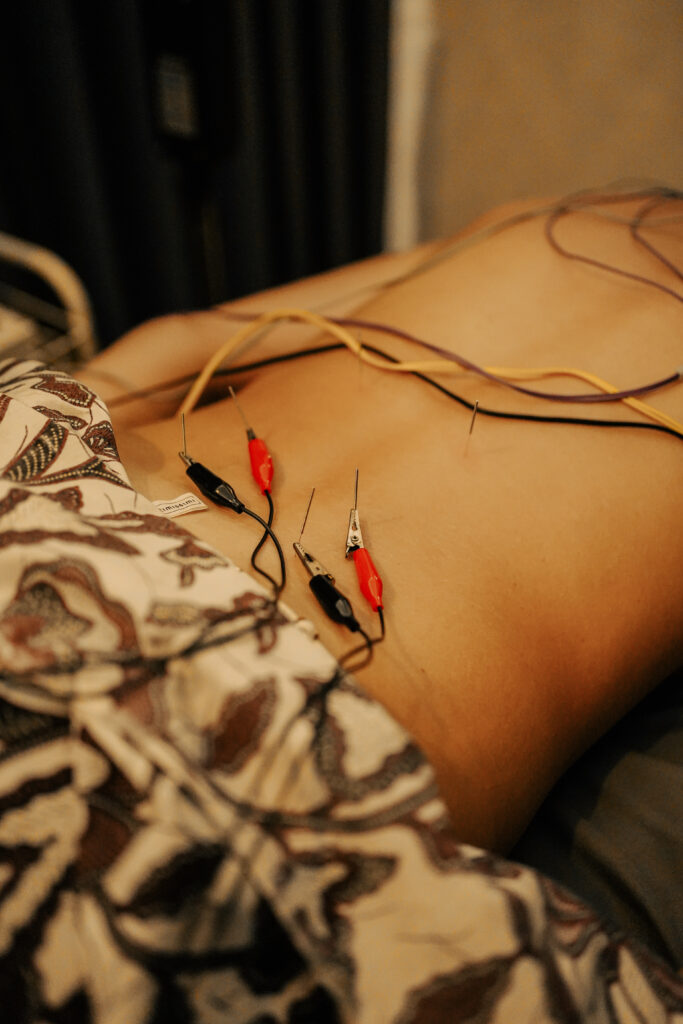
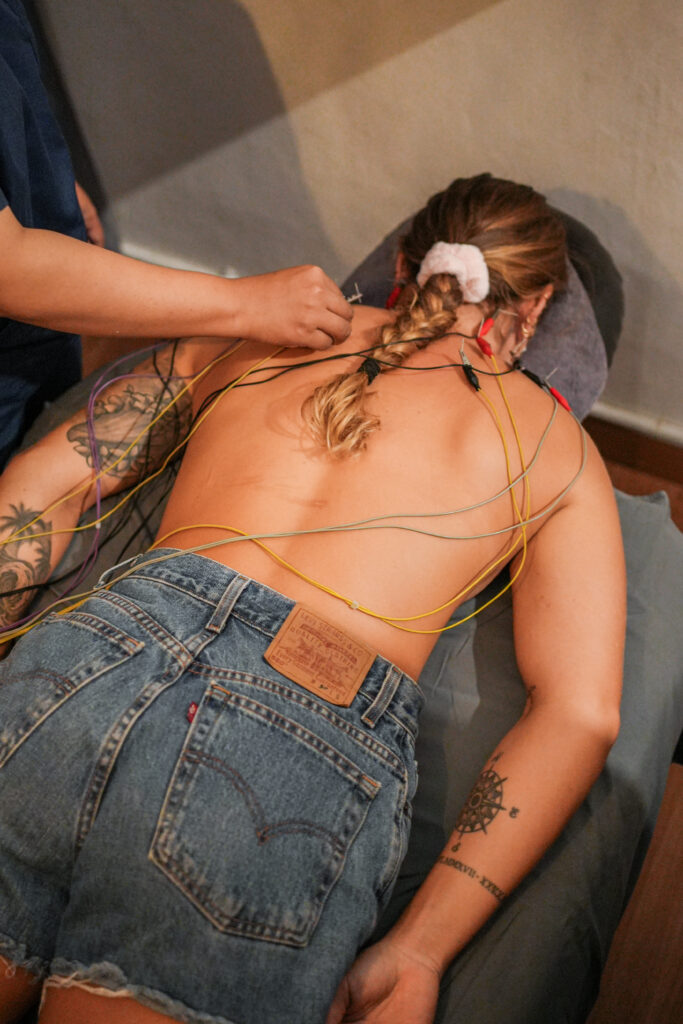
Acupuncture needles are extremely thin—about the width of a human hair. Most patients describe the sensation as a mild tingling, warmth, or heaviness. Many feel deeply relaxed or even fall asleep during treatment.
In TCM, needling sensations like “De Qi” (arrival of Qi) are normal and beneficial. It may feel like a dull ache, spreading warmth, or slight pressure—signs that energy is moving.
Treatment Principle:
- Activate Qi flow through specific meridians.
- Stimulate the body’s natural healing response without overwhelming it.
Myth 3: You Have to Believe in Acupuncture for It to Work
✅ Truth: Acupuncture works regardless of belief
Acupuncture has shown positive effects in animals and infants—who have no belief bias. It’s also supported by numerous studies showing measurable outcomes such as:
- Changes in heart rate variability
- Endorphin release
- Reduced inflammation markers
- Changes in brain imaging scans
Acupuncture is physiologically effective—not based on belief or placebo alone.
Common TCM Patterns It Helps With:
- Qi stagnation → for stress, digestive issues, PMS
- Yin deficiency → for insomnia, hot flashes
- Blood deficiency → for fatigue, dizziness, poor memory
- Damp accumulation → for sinus, bloating, sluggishness
Myth 4: Acupuncture Results Are Only Temporary
✅ Truth: Effects can be long-term with consistency
Like physical therapy or exercise, acupuncture works best consistently over time. While some people feel better after 1–2 sessions, chronic conditions may require 6–10 sessions or more depending on the severity and root imbalance.
TCM Principle:
- Treat the root (Ben) and the branch (Biao).
- Stabilize the condition, not just chase symptoms.
Myth 5: Acupuncture is an Ancient Superstition with No Modern Value
✅ Truth: Acupuncture is evidence-based and regulated
In countries like China, Australia, the UK, and the US, acupuncture is a regulated profession, often practiced in hospitals alongside conventional care. Studies published in journals like JAMA, BMJ, and Nature continue to show the efficacy of acupuncture for multiple conditions.
The World Health Organization (WHO) lists over 100 conditions acupuncture can help treat.
Modern Scientific Validation Includes:
- fMRI scans showing changes in brain activity
- Clinical trials on chronic pain and fertility
- Meta-analyses supporting outcomes for migraine, osteoarthritis, and IBS
TCM-Based Diet & Lifestyle Tips to Support Acupuncture
- Eat warm, cooked foods: Especially if you have Spleen Qi deficiency. Avoid raw/cold salads and iced drinks.
- Reduce sugar and processed foods: These create Dampness, which slows healing.
- Sleep by 11 pm: To nourish Liver Blood and preserve Yin.
- Gentle movement: Walking, Qigong, or yoga help Qi circulate.
- Mindfulness or breathwork: Calm the Shen (mind) and help integrate treatment.
Daily Acupressure Routine to Complement Acupuncture
- ST36 – Zusanli (足三里)
Location: 3 cun below the kneecap, one finger-width lateral to the tibia.
Function: Tonifies Qi, boosts immunity, supports digestion. - PC6 – Neiguan (内关)
Location: 3 fingers above wrist crease, between the tendons.
Function: Calms the Shen, relieves nausea, opens the chest. - LV3 – Taichong (太冲)
Location: Between big toe and second toe.
Function: Moves Liver Qi, reduces stress, clears emotional stagnation. - SP6 – Sanyinjiao (三阴交)
Location: 3 cun above the medial malleolus.
Function: Regulates menstruation, supports Spleen and Liver.
Apply gentle pressure for 1–2 minutes daily per point. Use before bed or when feeling tension.
TCM Treatment Recommendations
- Acupuncture Plan: Tailored to your condition, usually once or twice a week initially.
- Cupping or Gua Sha: Useful for muscle tension, Qi stagnation, or colds.
- Moxibustion: For Yang deficiency or cold-type pain.
Conclusion
Acupuncture is not mysticalit’ s a clinically sound system of medicine grounded in centuries of observation, refined technique, and energetic logic. Whether you’re seeking help with chronic pain, digestive imbalance, or emotional wellness, acupuncture provides a gentle, non-invasive, and highly personalized approach to healing.
The next time someone tells you “acupuncture only works if you believe in it,” you’ll know better—and maybe, you’ll help them see beyond the myth, too.
Sources
- White, A., et al. (2012). Acupuncture: efficacy, safety, and practice. British Medical Journal.
- Zhao, L., et al. (2017). The long-term effect of acupuncture for migraine prophylaxis. JAMA Internal Medicine.
- Maciocia, G. (2015). The Foundations of Chinese Medicine. Elsevier.
- World Health Organization. (2003). Acupuncture: Review and Analysis of Reports on Controlled Clinical Trials.
- Kaptchuk, T. J. (2000). The Web That Has No Weaver: Understanding Chinese Medicine. McGraw-Hill.