Stretching is often recommended for muscle pain and stiffness. While stretching can help improve flexibility and temporarily relieve tension, many people notice that their pain keeps returning. In Traditional Chinese Medicine (TCM), chronic muscle pain is rarely caused only by tight muscles. Instead, it often reflects deeper imbalances such as Qi stagnation, Blood stagnation, or deficiencies in the organs that nourish muscles and tendons. If the root imbalance is not addressed, stretching alone may only provide temporary relief.
Key Organ Systems Involved:
- Liver (Gan): In TCM, the Liver governs tendons and ensures the smooth flow of Qi. When Liver Qi becomes stagnant, muscles and tendons may feel tight and painful.
- Spleen (Pi): The Spleen produces Qi and Blood from food. These substances nourish muscles. Weak Spleen function can lead to fatigue and muscle soreness.
- Kidney (Shen): The Kidneys support bones and the lower back. Long-term deficiency can contribute to chronic musculoskeletal weakness.
Common TCM Patterns for Chronic Muscle Pain:
- Qi Stagnation: Tight muscles and pain that worsens during stress or inactivity.
- Blood Stagnation: Fixed, stabbing pain or pain that persists after injury.
- Qi and Blood Deficiency: Dull soreness and fatigue due to poor nourishment of muscles.
- Cold-Damp Bi Syndrome: Muscle stiffness and heaviness that worsen in cold or humid conditions.
Treatment Principles in TCM:
- Promote circulation of Qi and Blood in affected areas.
- Relax tendons and muscles.
- Strengthen the organs that nourish the musculoskeletal system.
- Remove Cold or Dampness from the meridians when present.
Diet and Lifestyle Tips (TCM-Based):
- Eat nourishing foods such as bone broth, eggs, leafy greens, fish, walnuts, and black sesame seeds.
- Avoid excessive cold foods and iced drinks that weaken digestion.
- Maintain regular physical movement instead of long periods of sitting.
- Combine stretching with strengthening exercises and proper rest.
- Manage stress to prevent Liver Qi stagnation.
Daily Acupressure Points:
- GB34 (Yanglingquan): Located below the outer knee. Influences tendons and helps relieve muscle stiffness.
- LV3 (Taichong): Located between the first and second toes. Moves Liver Qi and reduces muscular tension.
- ST36 (Zusanli): Located below the knee. Strengthens Qi and supports muscle nourishment.
- BL40 (Weizhong): Located behind the knee. One of the key points for treating back and muscle pain.
Massage each point gently for 1–2 minutes to improve circulation and relieve tension.
TCM Treatment Recommendations:
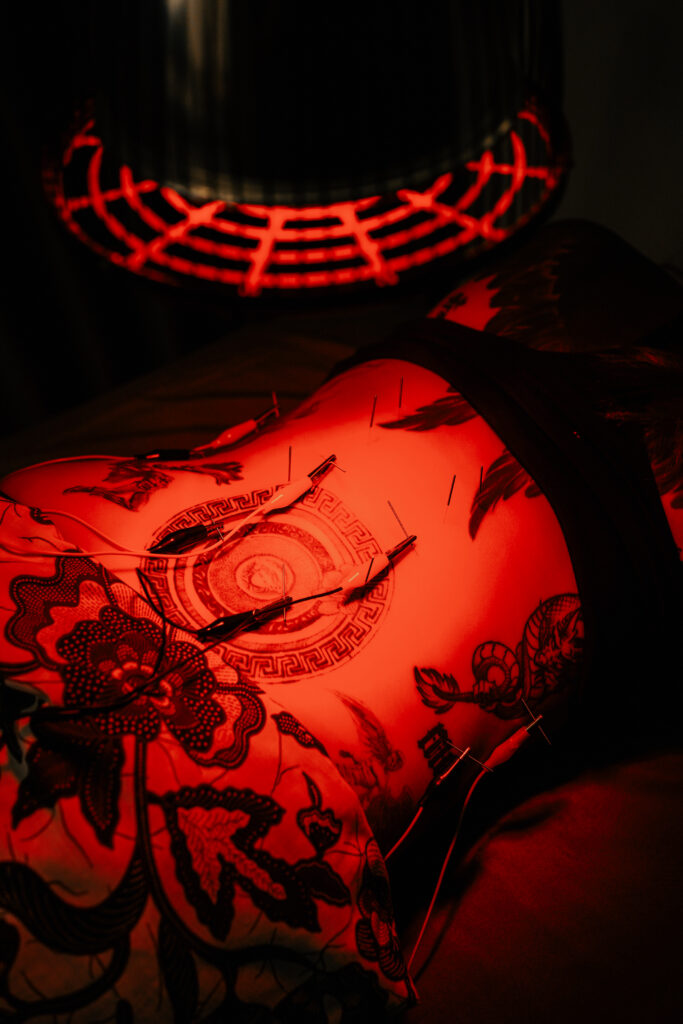
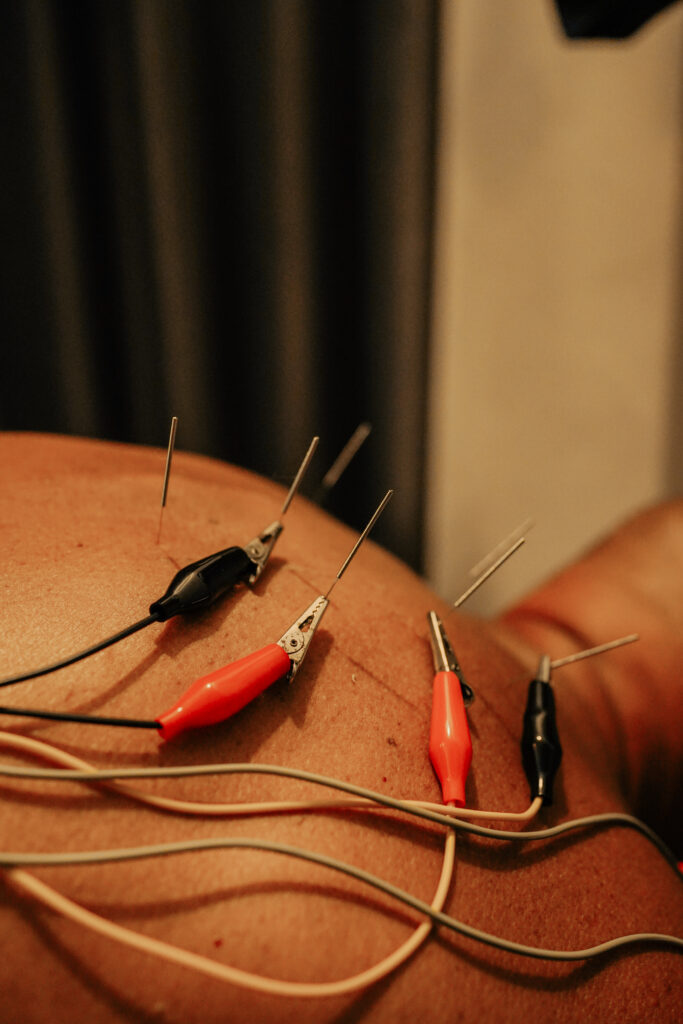
- Acupuncture: Helps restore smooth Qi and Blood circulation in the muscles and meridians.
- Cupping therapy: Improves blood circulation and releases muscle tightness.
- Herbal formulas:
- Du Huo Ji Sheng Tang for chronic musculoskeletal pain.
- Xiao Yao San when stress-related tension is involved.
- Movement therapy: Gentle exercises such as tai chi, yoga, or qigong help maintain long-term muscle balance.
Conclusion:
Stretching is helpful, but it is only one part of the solution. In TCM, chronic muscle pain often reflects deeper imbalances in Qi, Blood, and organ function. Addressing these root causes through acupuncture, proper nutrition, lifestyle adjustments, and targeted therapies can provide more lasting relief than stretching alone.
Sources:
- Maciocia, Giovanni. The Foundations of Chinese Medicine. Elsevier.
- Deadman, Peter. A Manual of Acupuncture.
- Wiseman, Nigel. Fundamentals of Chinese Medicine.