Menstrual Cramps and Liver Blood in TCM

In Traditional Chinese Medicine (TCM), menstrual health is closely linked to the Liver (Gan) because the Liver stores and regulates Blood (Xue). During menstruation, the Liver ensures smooth flow of Qi and Blood to the uterus. When Liver Blood is deficient, stagnant, or obstructed, the uterus may not receive sufficient nourishment or free flow, resulting […]
Spleen Deficiency and Overthinking: A TCM Perspective
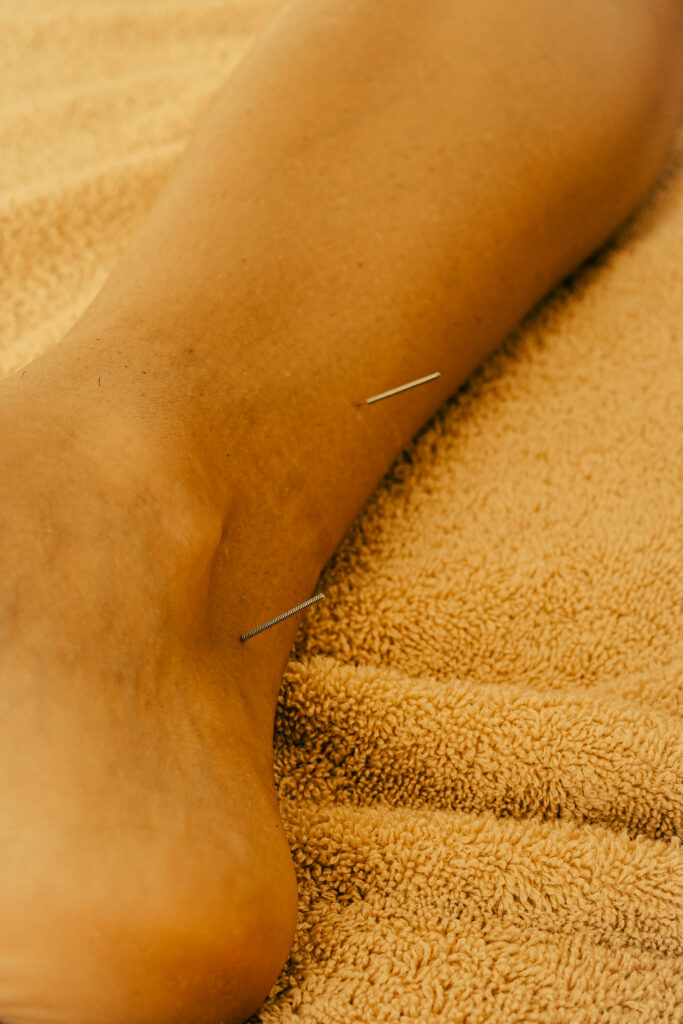
In Traditional Chinese Medicine (TCM), the Spleen (Pi) plays a central role in transforming food into Qi and Blood, which nourish the body and the Shen (mind/spirit). The Spleen also governs thought—this is why excessive thinking, worrying, or studying for long periods without rest can weaken the Spleen. When the Spleen is deficient, it fails […]
Breathing Exercise to Move Stagnant Qi

In Traditional Chinese Medicine (TCM), Qi (vital energy) must flow smoothly throughout the body for physical and emotional well-being. When Qi becomes stagnant—due to stress, emotional suppression, lack of movement, or improper breathing—it can lead to discomfort, pain, mood swings, fatigue, and even digestive or menstrual issues. Breathing plays a vital role in Qi movement. […]
Insomnia Explained in Chinese Medicine

In Traditional Chinese Medicine (TCM), insomnia is more than just the inability to sleep. It is a disturbance of the Shen (spirit), which is housed in the Heart (Xin) and supported by several other organ systems. TCM views restful sleep as a result of balanced Yin and Yang, smooth Qi and Blood flow, and a […]
Why You Wake Up at 3 AM: The Liver–Gallbladder Clock in TCM

In Traditional Chinese Medicine (TCM), the body follows a 24-hour organ clock known as the Chinese Meridian Clock, where each organ has a 2-hour peak period for energy circulation. Waking up consistently around 3 AM aligns with the Liver’s active time (1 AM–3 AM) and the Gallbladder time (11 PM–1 AM) just before it. According […]
Cupping or Acupuncture: What Works Best for Upper Back Pain?

In Traditional Chinese Medicine (TCM), upper back pain is not seen as merely a muscular or postural issue—it is the result of Qi and Blood imbalance in the channels running through the upper back, especially the Urinary Bladder (Taiyang) meridian. Pain occurs when Qi and Blood are blocked, often due to external pathogenic factors (Wind, […]
DO YOU SLEEP WRONG? TCM and Pillow Posture

In Traditional Chinese Medicine (TCM), sleep is not just a passive state—it’s a time when Qi (vital energy) and Blood (Xue) return to the internal organs to nourish and restore the body. Good sleep posture, especially head and neck alignment supported by the right pillow, is essential to allow the smooth flow of Qi and […]
Stress Related Shoulder Pain and the Liver Pathway
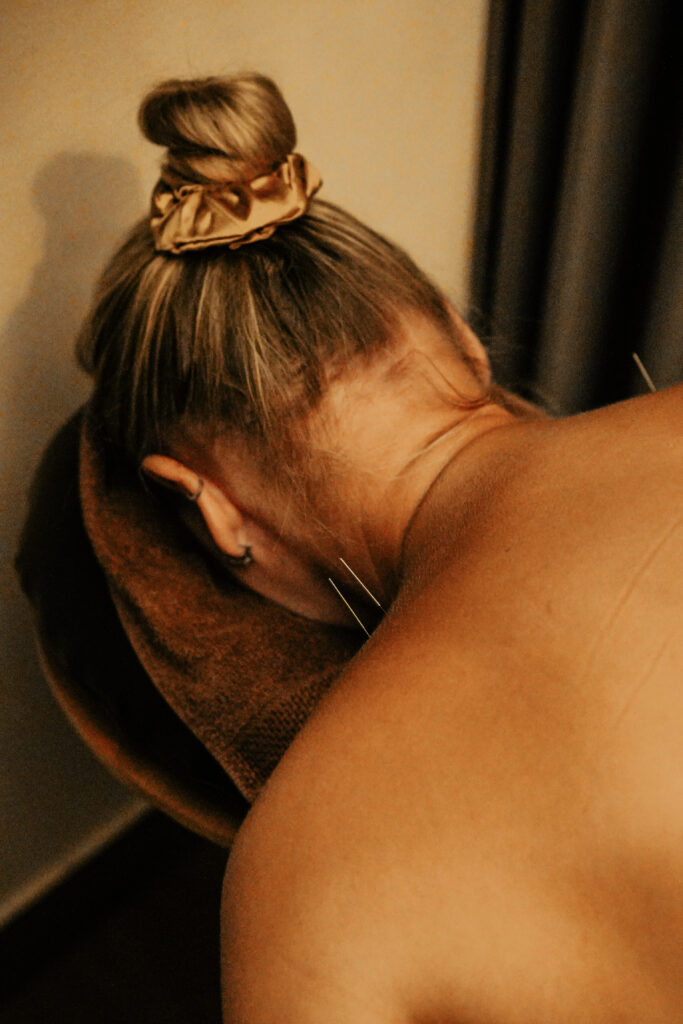
In Traditional Chinese Medicine (TCM), stress is more than just a psychological burden—it disrupts the flow of Qi (vital energy) in the body. One of the primary organs affected by emotional stress is the Liver (Gan), which is responsible for the smooth flow of Qi. When stress causes Liver Qi to stagnate, this energetic blockage […]
Frozen Shoulder in TCM: Patterns and Solutions
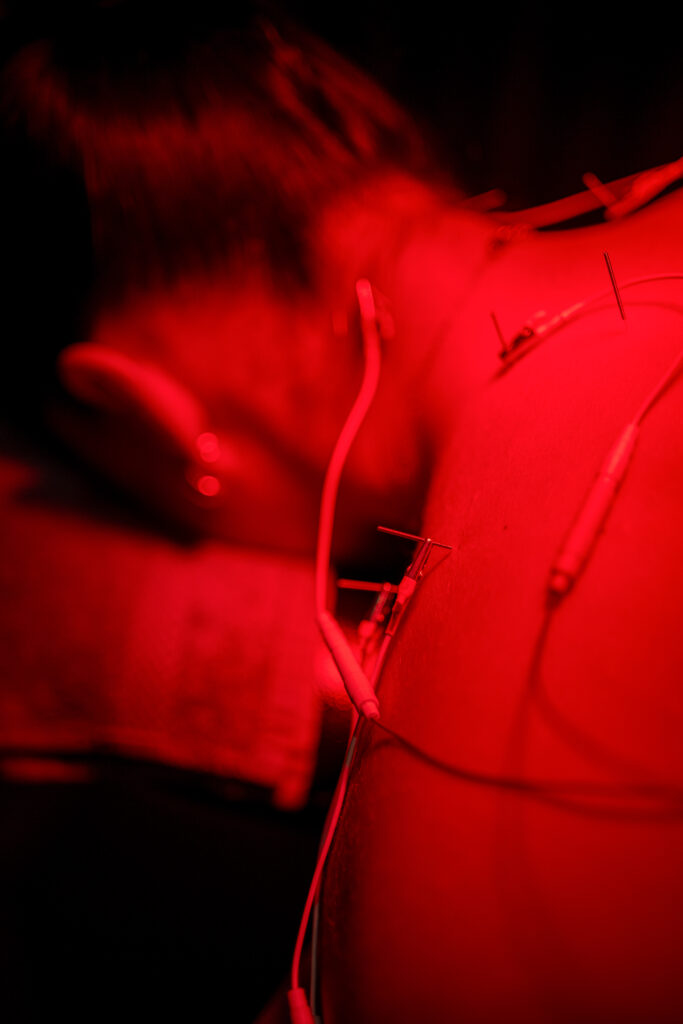
Frozen shoulder, or adhesive capsulitis, is characterized by stiffness, pain, and limited range of motion in the shoulder joint. From a Traditional Chinese Medicine (TCM) perspective, frozen shoulder is not viewed solely as a musculoskeletal disorder, but rather as a manifestation of deeper disharmony in organ systems and meridians. TCM considers both external factors (like […]
Best Acupoints For Releasing Neck & Shoulder Tension
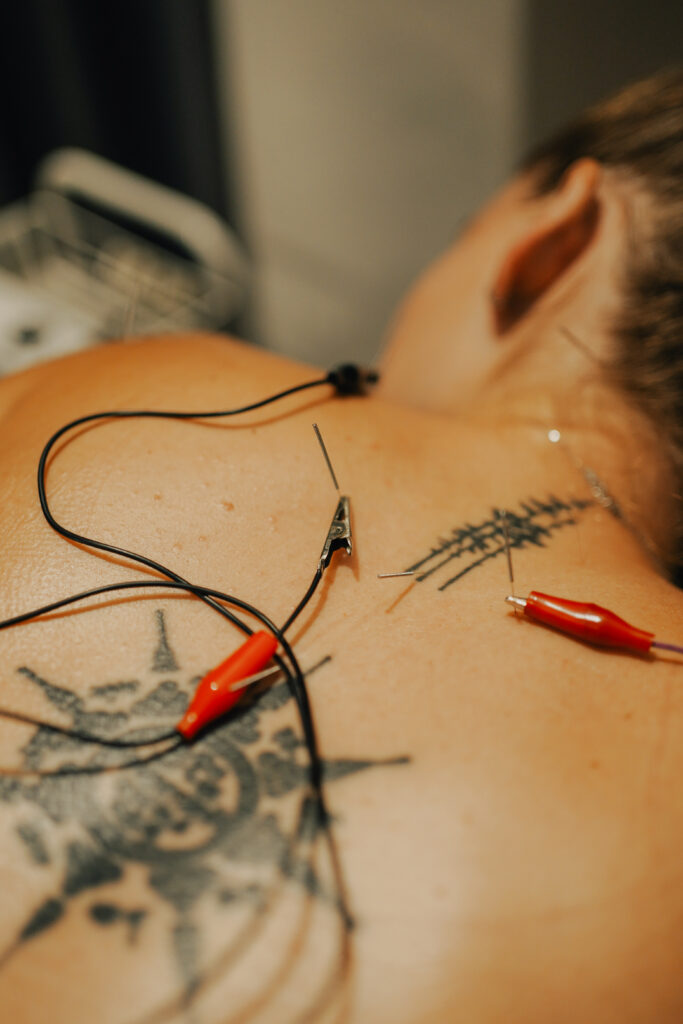
Traditional Chinese Medicine (TCM), neck and shoulder tension is not only seen as a result of poor posture or physical overuse it reflects internal disharmony and energetic imbalances. Common causes include Qi and Blood stagnation, external invasions of Wind-Cold, or Yin and Blood deficiency, leading to poor nourishment of the tendons and muscles. Key Organ […]