How Worry Affects the Spleen – and Your Digestion

In Traditional Chinese Medicine (TCM), emotions are not separate from physical health. Each emotion is linked to a specific organ system. Worry and overthinking directly affect the Spleen (Pi), which plays a central role in digestion, energy production, and the transformation of food into Qi and Blood. When worry is excessive or prolonged, it knots […]
Back Pain and Poor Sleep: A Vicious Cycle Explained by TCM

Back pain and poor sleep often feed into each other: pain makes it hard to sleep, and lack of restorative sleep worsens pain and slows recovery. From a Traditional Chinese Medicine (TCM) perspective, this vicious cycle reflects an imbalance of Qi, Blood, Yin, and Yang, particularly within the Kidney, Liver, and Heart systems. The Kidneys […]
Morning Stiffness? TCM on Cold-Damp Accumulation in the Lower Back

Many people experience stiffness and aching in the lower back upon waking, which gradually improves after movement. In Traditional Chinese Medicine (TCM), this is often attributed to Cold-Damp accumulation obstructing the channels in the lumbar region. Cold and Damp are external pathogenic factors that may invade the body, especially when the back is exposed to […]
How Aging Affects Your Back: Kidney Essence Decline in TCM

As we age, Kidney Essence naturally declines. This process is seen as a normal part of life, but when Essence becomes severely depleted, the low back and spine weaken. This manifests as chronic soreness, stiffness, reduced mobility, or degenerative changes (such as arthritis or osteoporosis). Thus, from a TCM perspective, age-related back pain is not […]
Postpartum Low Back Pain: Rebuilding Kidney Qi the Right Way

In Traditional Chinese Medicine (TCM), the period after childbirth is considered a time of great vulnerability. During pregnancy and delivery, a woman’s body expends large amounts of Blood (Xue), Qi, and Essence (Jing). The Kidneys (Shen), which govern Essence, reproduction, and the lumbar region, are especially taxed. When Kidney Qi becomes deficient, the low back—known […]
Sitting All Day? Here’s How It Affects You Back in TCM

In today’s modern lifestyle, many people spend most of their time sitting—whether working at a desk, driving, or relaxing. While Western medicine links prolonged sitting to spinal compression and muscle tension, Traditional Chinese Medicine (TCM) views it through a more holistic lens. In TCM, prolonged sitting leads to stagnation of Qi and Blood, especially in […]
Cold Weather and Back Pain: Why It Happens and How Traditional Chinese Medicine (TCM)

Back pain that worsens in cold or damp weather is more than just a seasonal nuisance it’s a common clinical pattern in Traditional Chinese Medicine (TCM), often related to Cold-Damp invasion and Kidney deficiency. TCM sees the body as deeply connected to the environment, and when external Cold or Dampness invades a weakened body, the […]
Sitting vs Standing: Which Hurts Your Back More in TCM?
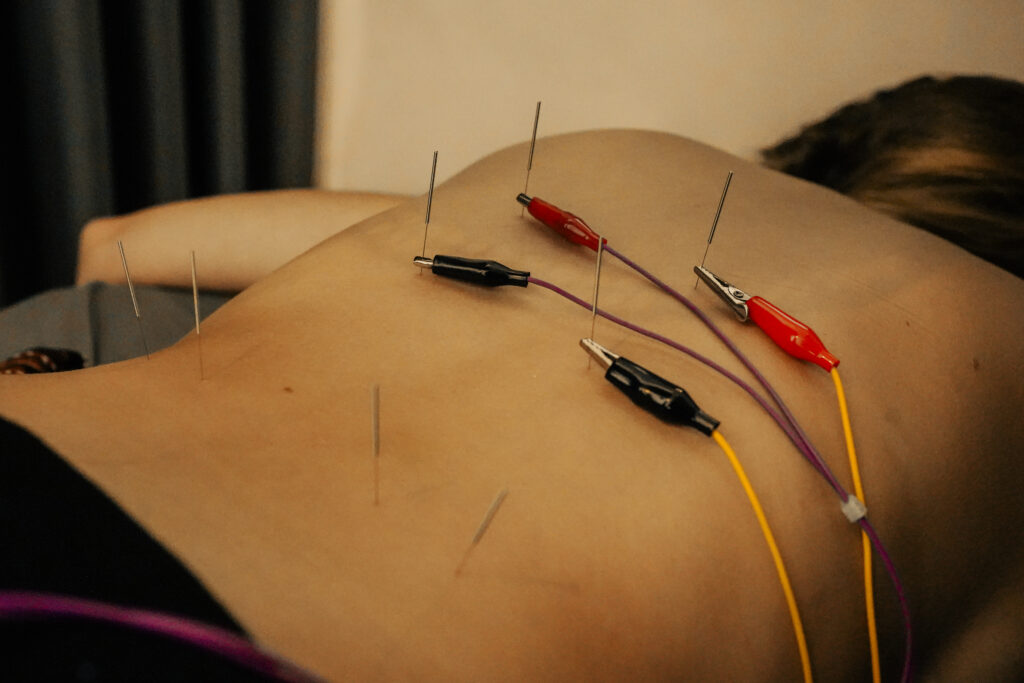
Back pain is one of the most common modern complaints, often linked to prolonged sitting or standing. From a Traditional Chinese Medicine (TCM) perspective, the back is closely tied to the Kidney (Shen), which governs the bones, spine, and lumbar region. Prolonged postures—whether sitting or standing—can disrupt the smooth flow of Qi and Blood in […]
Low Back Pain After Exercise: A TCM View on Overexertion
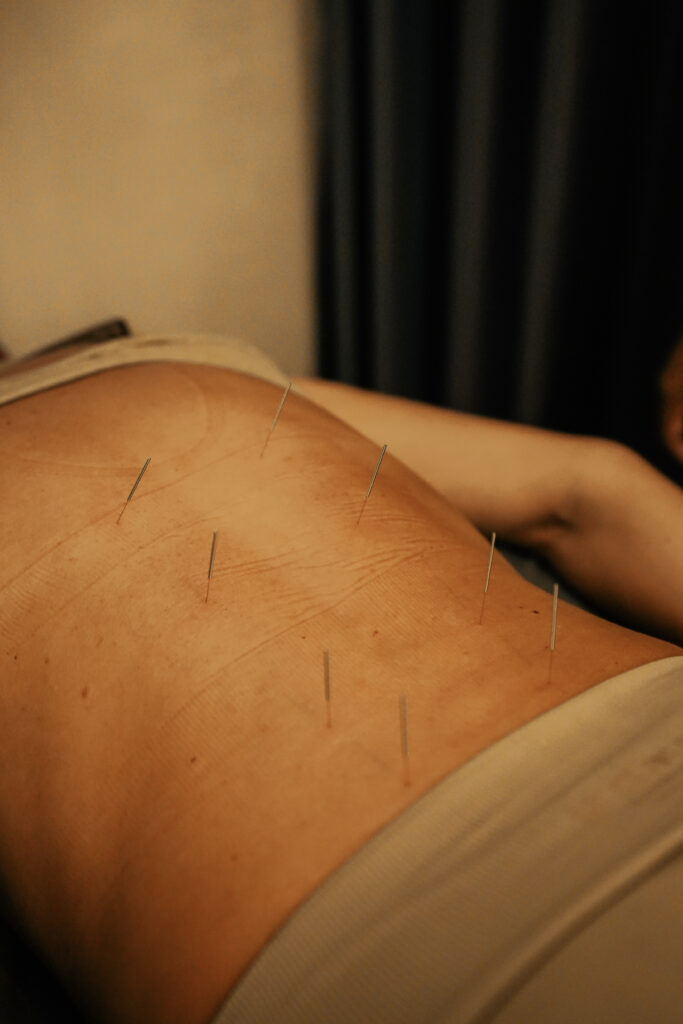
Understanding Low Back Pain After Exercise in TCM In Traditional Chinese Medicine (TCM), the low back is considered the “house of the Kidneys.” The Kidney (Shen) stores Essence (Jing) and governs bones, marrow, and the strength of the lumbar region. After intense or excessive exercise, low back pain can develop not just from mechanical strain […]
Which Organ Is Out of Balance? Quick Tongue Self-Check in TCM

In Traditional Chinese Medicine (TCM), the tongue is considered a mirror of the body’s internal state. While modern Western medicine might overlook the tongue beyond signs of dehydration or infection, TCM practitioners analyze its color, shape, coating, and moisture to assess the condition of the organ systems, Qi, Blood, and body fluids. Introduction: What Your […]