
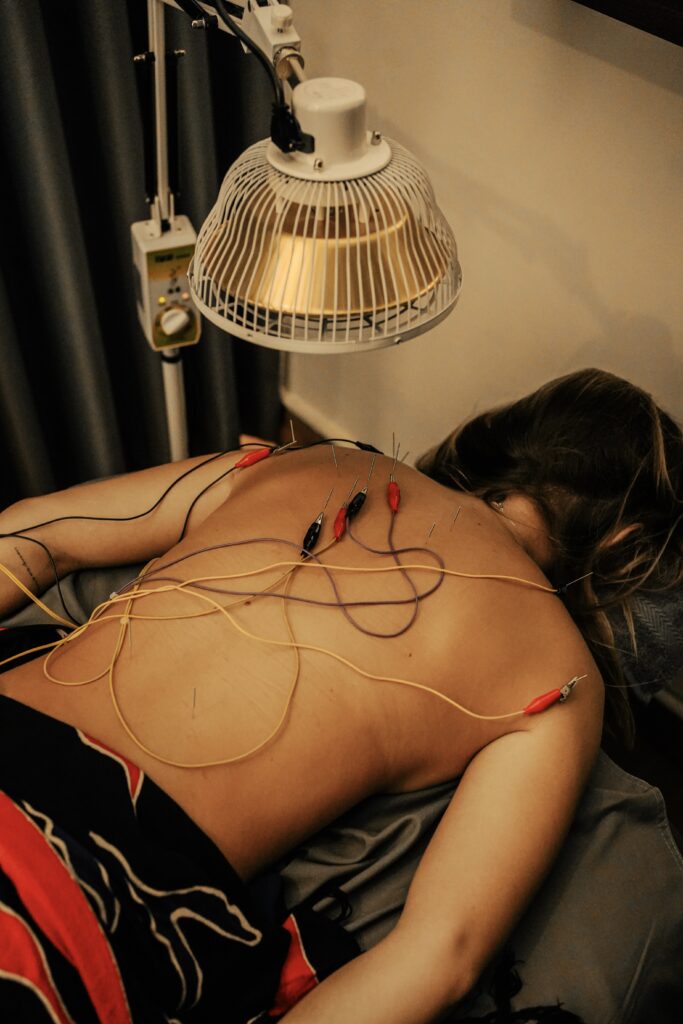
In Traditional Chinese Medicine (TCM), the Liver is closely linked to the smooth flow of Qi (energy) and emotions. When stress, frustration, or repressed emotions accumulate, it can result in Liver Qi stagnation. This stagnation often manifests physically in the upper back and shoulders, creating stiffness or chronic pain.
Key Organ Systems Involved:
- Liver (Gan): Regulates the flow of Qi and emotions. Emotional imbalance can disrupt its function, leading to tension.
- Gallbladder (Dan): Paired organ to the Liver, governs decision-making and courage. The Gallbladder meridian runs through the shoulders.
Common TCM Patterns for Shoulder Pain:
- Liver Qi Stagnation: Emotional stress, irritability, distension in the chest, shoulder tension.
- Liver Yang Rising: Irritability, dizziness, stiff shoulders, red eyes.
- Qi and Blood Stagnation: Chronic tension leading to fixed, stabbing pain.
Treatment Principles in TCM:
- Soothe the Liver and regulate Qi.
- Move Qi and Blood in the affected channels.
- Calm the Shen (mind/spirit).
- Relax tight muscles and fascia.
Diet and Lifestyle Tips (TCM-Based):
- Avoid greasy, spicy, and fried foods.
- Add sour foods like lemon or hawthorn to aid Liver flow.
- Practice gentle movement: yoga, tai chi, qigong.
- Keep a regular sleep schedule and express emotions healthily.
Daily Acupressure Points:
- GB21 (Jianjing): Top of the shoulder. Releases local tension.
- LV3 (Taichong): Between the big toe and second toe. Regulates Liver Qi.
- LI4 (Hegu): Between thumb and index finger. Relieves muscle tightness.
- HT7 (Shenmen): Wrist crease. Calms the mind.
TCM Treatment Recommendations:
- Acupuncture: Focus on Liver and Gallbladder channels.
- Cupping or Gua Sha: Upper back and shoulders to improve circulation.
- Herbal Formula: Xiao Yao San to relieve Liver Qi stagnation.
- Tui Na massage: For muscular and energetic release.
Conclusion:
Shoulder pain linked to stress isn’t just muscular. In TCM, it reflects Liver Qi imbalance caused by emotional suppression or long-term stress. With proper support through acupuncture, herbs, diet, and movement, you can address both the root and symptom.
Sources:
- Maciocia, Giovanni. The Foundations of Chinese Medicine. Elsevier.
- Deadman, Peter. A Manual of Acupuncture
- NIH.gov – Studies on acupuncture for musculoskeletal pain