
In Traditional Chinese Medicine (TCM), hormonal health is not viewed through the lens of estrogen, progesterone, or cortisol but rather as the harmony between Yin and Yang, the smooth flow of Qi, and the nourishment of Blood and Essence (Jing). Hormonal imbalances such as irregular cycles, PMS, acne, mood swings, fertility issues, or perimenopausal symptoms are seen as signs of disharmony within specific organ systems, especially the Liver, Kidneys, Spleen, and Heart.
Food, in TCM, is not only fuel it’s medicine. The right diet can tonify deficiencies, move stagnation, build Blood, and restore internal balance. This article explores how TCM approaches hormonal regulation and how specific foods can support women’s wellbeing naturally, at every life stage.
Key Organ Systems Involved
- Liver (Gan) – Regulates the smooth flow of Qi and stores Blood. It governs the menstrual cycle and emotional balance. If Liver Qi stagnates, PMS, mood swings, and irregular periods may result.
- Kidneys (Shen) – Store Essence (Jing) and govern growth, reproduction, fertility, and menopause. Kidney deficiency often shows up as infertility, night sweats, premature aging, or low libido.
- Spleen (Pi) – Produces Blood and Qi from food. A weak Spleen can lead to Blood deficiency, fatigue, and hormonal dysregulation.
- Heart (Xin) – Houses the Shen (spirit) and governs circulation. It connects closely to emotional health, sleep, and the regulation of menstruation via the Bao Mai (Uterus Vessel).
Common TCM Patterns in Hormonal Imbalance
- Liver Qi Stagnation
- Symptoms: PMS, mood swings, breast tenderness, irritability, irregular cycles.
- Tongue: Slightly red sides.
- Pulse: Wiry.
- Kidney Yin Deficiency
- Symptoms: Night sweats, hot flashes, dry skin/vagina, early menopause, anxiety.
- Tongue: Red, little coating.
- Pulse: Thin, rapid.
- Kidney Yang Deficiency
- Symptoms: Cold limbs, low libido, fatigue, long cycles, infertility.
- Tongue: Pale, swollen.
- Pulse: Deep, weak.
- Blood Deficiency
- Symptoms: Scanty periods, dry hair/skin, dizziness, pale complexion, insomnia.
- Tongue: Pale, thin.
- Pulse: Thin or choppy.
- Spleen Qi Deficiency
- Symptoms: Fatigue, bloating, poor appetite, loose stools, prolonged spotting.
- Tongue: Pale with teeth marks.
- Pulse: Weak, soft.
Treatment Principles in TCM
- Soothe Liver and regulate Qi: Prevent stagnation that disrupts menstrual and emotional cycles.
- Nourish Blood and Yin: Support hormone production and cycle regularity.
- Tonify Kidney Essence: Strengthen reproductive potential and sexual vitality.
- Strengthen Spleen Qi: Improve digestion and energy for hormone building.
- Calm the Shen: Ensure emotional stability and restful sleep.
Diet and Lifestyle Tips (TCM-Based)
Best Foods for Hormonal Balance:
To Tonify Blood:
- Red dates, black sesame seeds, goji berries, spinach, beets, eggs, lean beef, dark leafy greens (cooked).
To Soothe Liver Qi:
- Lemon water, peppermint, celery, carrots, dandelion greens, and small amounts of vinegar.
To Nourish Kidney Yin:
- Black beans, tofu, seaweed, blueberries, lotus root, barley, duck, asparagus.
To Warm Kidney Yang:
- Lamb, walnuts, ginger, cinnamon, fennel, bone broth, cloves.
To Support Spleen Qi:
- Sweet potatoes, pumpkin, millet porridge, rice, cooked carrots, warm soups.
What to Avoid:
- Cold/raw foods during menstruation or postpartum.
- Excess caffeine, alcohol, sugar.
- Skipping meals or irregular eating habits.
Lifestyle Tips:
- Follow a regular sleep-wake cycle (in bed before 11 p.m.).
- Practice gentle movement like walking, stretching, or yoga.
- Rest during menstruation.
- Express emotions—don’t bottle them up (helps Liver Qi flow).
- Avoid overthinking and overworking (protects Spleen Qi).
Daily Acupressure for Hormonal Balance
- LV3 – Taichong (太冲)
Location: On the top of the foot, between the first and second toe.
Function: Moves Liver Qi, reduces PMS symptoms, regulates menstruation. - SP6 – Sanyinjiao (三阴交)
Location: 3 cun above the inner ankle bone.
Function: Regulates menstruation, nourishes Blood and Yin, supports fertility. - KI3 – Taixi (太溪)
Location: Between the inner ankle and Achilles tendon.
Function: Tonifies Kidney Yin and Yang, helps with hormonal regulation. - ST36 – Zusanli (足三里)
Location: 3 cun below the kneecap, lateral to the tibia.
Function: Strengthens Qi, Blood, digestion, and immunity. - CV6 – Qihai (气海)
Location: 1.5 cun below the navel.
Function: Strengthens overall vitality, Qi, and regulates the uterus.
Gently press each point for 1–2 minutes, once or twice daily, especially during the luteal phase or when symptoms arise.
TCM Treatment Recommendations
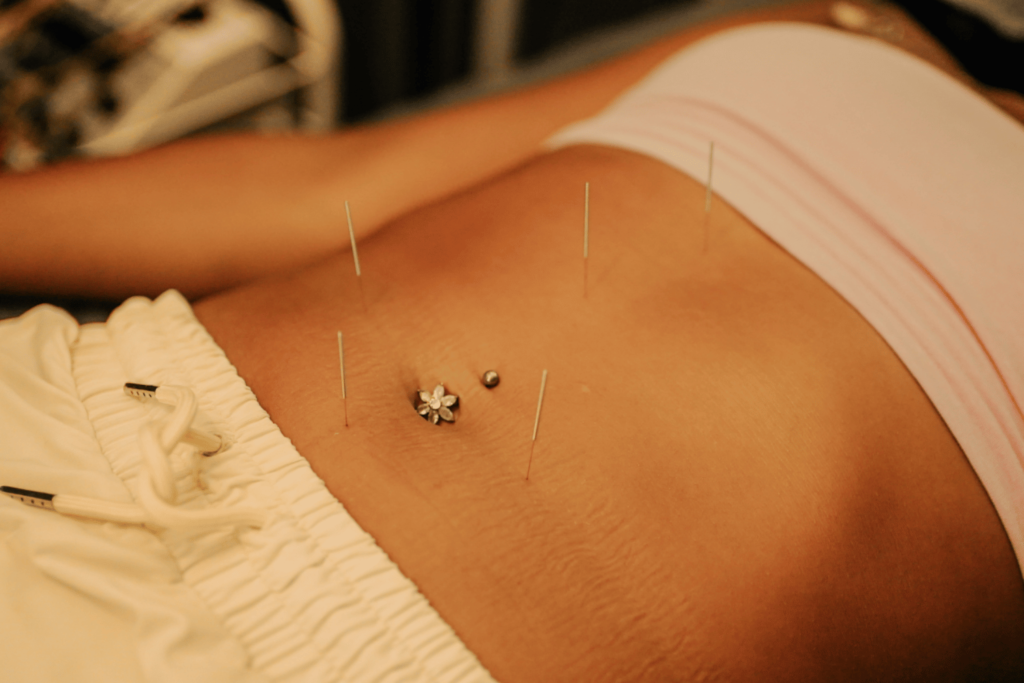
- Acupuncture: Tailored to each individual, but often includes SP6, LV3, KI3, and ST36 to harmonize the cycle.
- Moxibustion: Especially beneficial for Yang or Qi deficiency patterns.
Conclusion
Hormonal health is a reflection of inner balance. In TCM, it’s not about fixing one hormone but nurturing the body’s vital forces—Qi, Blood, Yin, and Yang—and supporting the key organs involved. By eating in harmony with your body’s needs, practicing gentle acupressure, and receiving individualized TCM care, you can restore hormonal balance naturally and feel more emotionally and physically grounded throughout every phase of womanhood.
Sources
- Deng, T. (2015). Women’s Health in Traditional Chinese Medicine. Singing Dragon.
- Flaws, B. (1997). Chinese Medicine and the Management of Hormonal Disorders in Women. Blue Poppy Press.
- Maciocia, G. (2011). Obstetrics and Gynecology in Chinese Medicine. Elsevier.
- Chen, J.K. & Chen, T.T. (2004). Chinese Medical Herbology and Pharmacology. Art of Medicine Press.
- World Health Organization (2007). WHO International Standard Terminologies on Traditional Medicine in the Western Pacific Region.